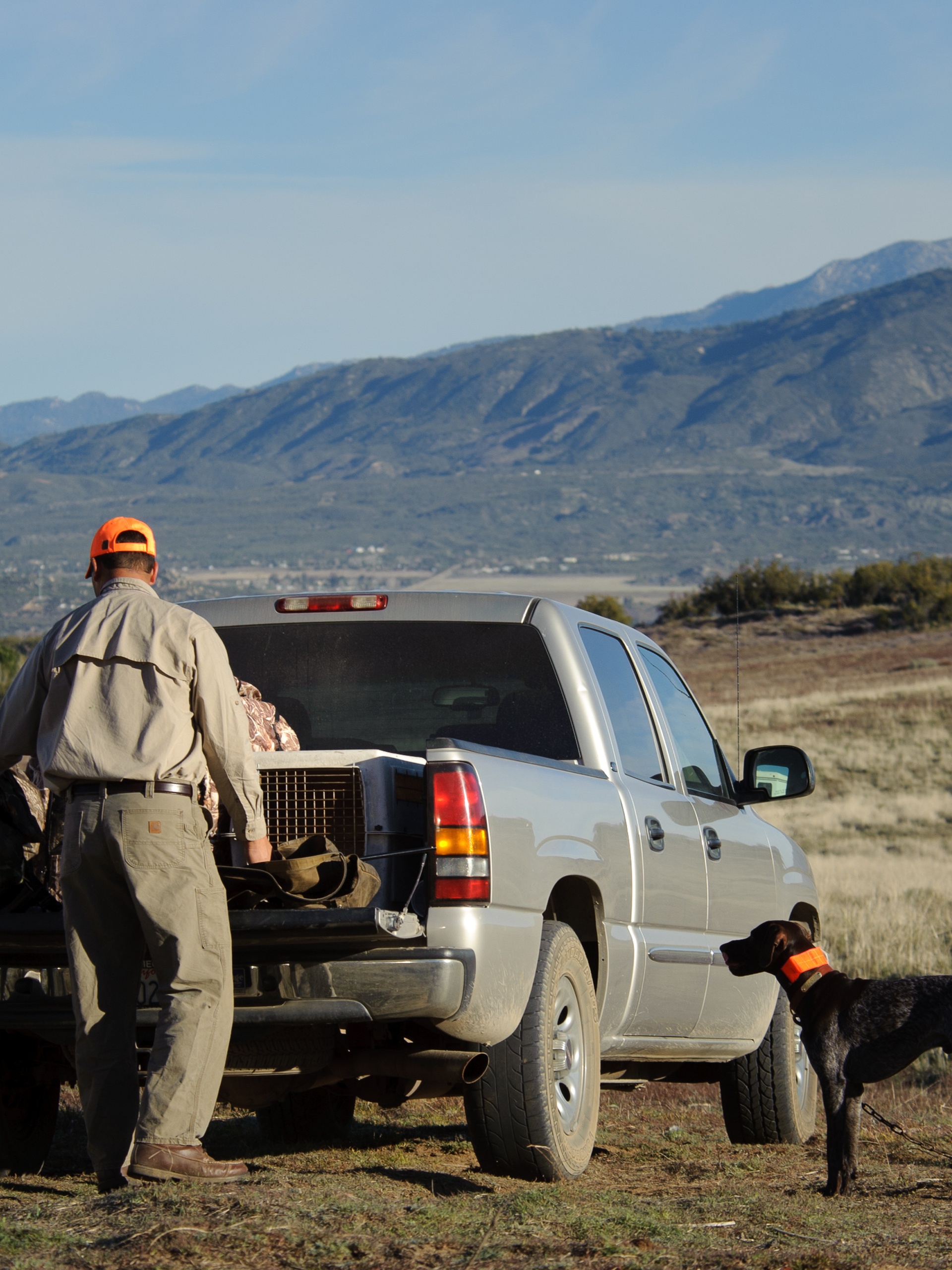
A long hunting trip can put you behind the wheel for hours before you ever reach camp or step into the field. If your truck moves more than you expect through a sweeping turn or requires frequent steering corrections, that drive can demand more attention than it should. Understanding why truck handling matters on long hunting trips helps you prepare your vehicle for the miles between home and your destination.
Predictable Handling Makes Long Drives Easier
You’ll probably notice poor handling more during a long trip than during a short drive around town. A truck that leans noticeably through turns or feels unsettled during lane changes requires you to pay closer attention to its movement.
That extra attention becomes especially relevant when your route includes hours of highway driving. Predictable handling means you can anticipate the truck’s response when you steer rather than waiting for excessive body movement to settle.
Pay Attention to Changes in Your Truck
If you drive the same truck regularly, you already have a useful reference point. You know roughly what it does when you take an interstate ramp or make a controlled lane change.
Take changes seriously when the truck suddenly requires more correction than usual. Worn suspension components or incorrect tire pressure can affect its behavior, so don’t assume every handling issue comes from the truck’s basic design.
Hunting Gear Changes the Driving Equation
You’ll often carry more weight in your truck on a hunting trip than you would during an ordinary commute. Where you place that weight matters because a loaded vehicle won’t necessarily respond exactly as it does when empty.
Keep heavier equipment secure so it can’t move around during a turn or sudden stop. You should also stay within the vehicle manufacturer’s payload limits rather than using suspension modifications to increase the truck’s rated capacity.
Once you load the truck, give yourself time to adjust to its response. Your truck may require more braking distance or different steering inputs when it carries substantially more weight.
Body Roll Affects What You Notice Behind the Wheel
When you turn, weight shifts toward the outside of the truck, and the body naturally leans. Some body roll is normal, but excessive movement can make steering response seem less immediate.
Sway bars, also called anti-roll or stabilizer bars, help manage that motion. They connect the left and right sides of the suspension and resist differences in suspension movement during cornering. If you’re evaluating a truck’s suspension setup, understanding the relationship between front sway bar stiffness and handling balance can help explain why changing one part of the system affects more than body lean.
You’ll want to consider the suspension as a complete system rather than assuming maximum stiffness automatically creates better handling. Changes to front or rear roll stiffness can alter the truck’s cornering characteristics, so balance matters.
Highway Driving Can Reveal Handling Problems
A truck may seem perfectly manageable at lower speeds yet behave differently once you spend more time on the highway. Long ramps and repeated directional changes can make unwanted body movement easier to notice.
Watch what happens after you make a smooth steering input. You want the truck to respond predictably without forcing you to make unnecessary corrections after the initial movement.
You should pay particular attention when something has recently changed. New tires, suspension work, or a significantly different load can alter the response you’ve grown accustomed to.
Rough Roads Require a Different Kind of Control
Many hunting trips eventually leave smooth pavement behind. Once you reach a rough access road, the suspension needs enough movement to let the tires follow uneven terrain.
That requirement creates an important distinction. A setup designed primarily to reduce body roll on pavement may not suit a truck that spends much of its time traveling over deeply uneven ground. Increasing the sway-bar stiffness more effectively connects the left and right sides of the suspension, which can reduce articulation on rough terrain.
Think about where you drive instead of focusing on a single definition of good handling. If you spend most of a hunting trip on paved roads, you’ll have different handling priorities than someone who regularly drives demanding trails.
Check Your Truck Before a Long Hunting Trip
You don’t need an elaborate inspection routine to catch obvious problems. Give yourself enough time to address anything questionable before you’re miles from home.
A practical pre-trip check should include the following:
- Confirming tire pressures match the manufacturer’s guidance for your vehicle and load
- Inspecting tires for visible damage or abnormal wear
- Looking for obvious leaks or damaged suspension components
- Securing cargo so it can’t shift while you’re driving
- Verifying that your planned load stays within the truck’s rated limits
If something doesn’t look right, investigate it before you commit to a long drive. A modification can’t compensate for damaged parts or neglected maintenance.
Don’t Confuse Body Control With More Capacity
Suspension terminology can create confusion because drivers sometimes treat every handling component as a load-support device. A sway bar serves a different purpose.
Its primary role is to control body roll when the two sides of the suspension move differently. It doesn’t increase the manufacturer’s payload rating or make an overloaded truck acceptable.
Keep that distinction in mind when preparing hunting equipment. If you need to carry a significant load, follow the ratings and loading guidance for your truck rather than assuming its driving behavior proves the load is appropriate.
A Better Trip Begins Behind the Wheel
Long hunting trips place greater demands on your truck than a quick drive across town, which is why handling matters once the miles begin adding up. When you understand your vehicle’s normal responses, you’re more likely to notice a change before it becomes part of a much longer journey.
Treat handling as part of your trip preparation rather than something you think about only when the truck starts moving unexpectedly. Check the condition of the vehicle, load it responsibly, and pay attention to its response once you get on the road.
Your destination may be where the hunt begins, but the drive determines whether you arrive ready for it. A truck that behaves predictably lets you focus on getting there without making the journey itself harder than it needs to be.

Casey Cartwright
Latest posts by Casey Cartwright (see all)
- How To Build the Ultimate Private Hunting Property – October 1, 2026
- Building a Practical Setup for Hunting & Outdoor Recreation – October 1, 2026
- How To Maintain a Trailer for Hunting Season – October 1, 2026

Leave a Reply