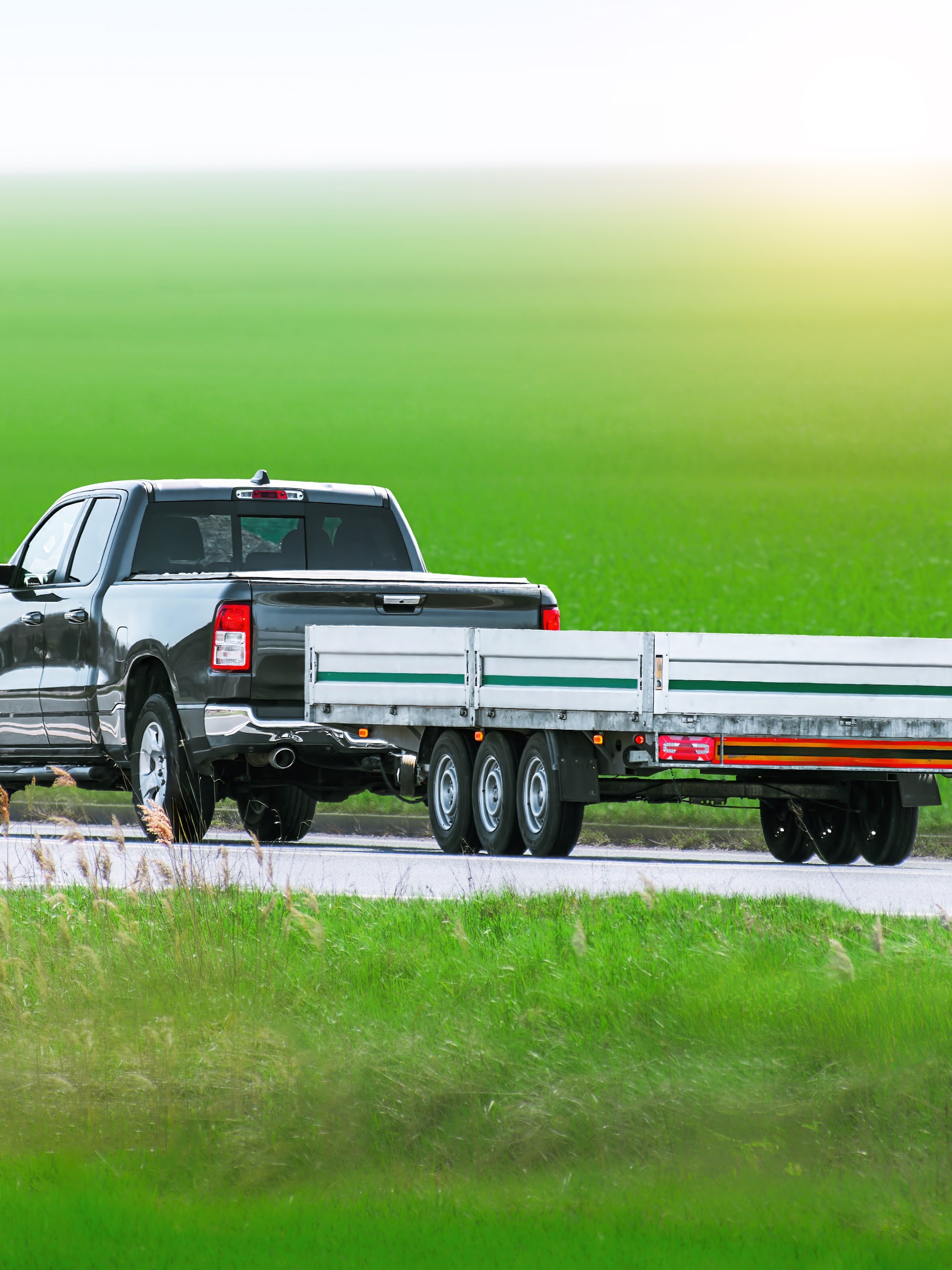
A utility trailer takes on plenty of demanding work. From rough access roads to muddy equipment to hauling heavy cargo, the components on the trailer wear down. Maintaining a trailer for hunting season is the key to uncovering and treating worn parts before problems interfere with a trip.
Check the Hitch and Connections
A secure connection between the tow vehicle and trailer affects every mile of the trip. Examine the coupler, hitch ball, safety chains, jack, and related hardware for wear, corrosion, or looseness.
The coupler should latch securely onto the correct hitch ball. Its locking mechanism should operate smoothly without excessive play. If the manufacturer calls for lubrication at specific points, follow its recommended maintenance schedule.
Safety chains require their own inspection because dragging, corrosion, or damaged links can weaken them. Connect them according to the trailer and tow vehicle manufacturers’ instructions, leaving enough slack for turns without allowing the chains to scrape the road. Trailers equipped with brakes or a breakaway system require additional checks according to their manuals. These details become especially relevant when hunting trips involve highway travel followed by rough roads leading toward camps, leases, or access points.
Inspect the Tires
Trailer tires deserve close attention before the first hunting trip of the season, particularly when the trailer has spent several months parked. Check each tire for visible cracking, cuts, unusual tread wear, bulges, or other damage that could indicate the tire isn’t ready for road travel. Inflation deserves a separate check because pressure changes during storage and with shifts in outdoor temperature.
Don’t overlook the spare during the inspection. A flat or damaged spare offers little help on a rural road, so confirm its condition and inflation before loading hunting equipment. Wheel hardware warrants attention too; inspect lug nuts and follow the trailer manufacturer’s torque specifications. Hunters who travel on gravel, dirt, or uneven access roads place substantial demands on tires and wheels, making these checks especially useful throughout the season.
Test Lights and Electrical Components
Early departures and late returns make dependable trailer lighting particularly valuable during hunting season. Connect the trailer to the tow vehicle, then test the brake lights, turn signals, running lights, and other required lighting before heading out. A failed light can point to a corrosion or a poor electrical connection.
Take a close look at wiring that runs beneath or along the trailer frame. Brush, gravel, moisture, and road debris can damage exposed sections, particularly after repeated trips away from paved roads. Inspect connectors for dirt or corrosion, and secure loose wiring.
Examine the Trailer Floor
Wood trailer floors face a distinct set of conditions during hunting season. Mud, rainwater, wet leaves, boots, equipment, and debris can leave moisture sitting against boards after a trip. Inspect the deck for cracks, splinters, loose fasteners, soft areas, discoloration, or signs of decay. Pay particular attention to places where water or debris tends to collect because persistent moisture damages wood fibers.
Surface protection deserves attention when the boards remain exposed to weather. Proper preparation and a quality wood stain for outdoor protection reduce the amount of moisture that unfinished wood readily absorbs. Any coating still depends on sound wood underneath, so don’t cover boards that already show serious rot or structural deterioration.
Keeping the floor clear after each outing helps preserve both the wood and the hardware around it. Sweep away leaves, soil, plant material, and other debris, then remove mud before it hardens across the deck. Allow the surface to dry thoroughly after cleaning, especially before covering or storing the trailer. Regular inspections throughout hunting season make changes in the floor’s condition much simpler to notice.
Inspect Tie-Down Points and Hardware
Cargo control becomes especially significant when a trailer carries bulky hunting equipment across uneven roads. Before loading, examine D-rings, rails, stake pockets, and hooks for damage like deformation or corrosion. Fasteners around these components deserve the same scrutiny since a sound-looking attachment point still depends on the hardware securing it to the trailer.
Use tie-down equipment that suits the cargo and follow the trailer’s loading limits. Items such as coolers, cases, portable stands, camp supplies, or an ATV can shift when a trailer hits a rut or changes direction. Secure the load so normal travel won’t allow equipment to slide, tip, or move unexpectedly. Recheck restraints after traveling rough stretches because vibration and cargo movement can affect tension.
Remove Debris After Each Trip
Maintenance shouldn’t end when the trailer returns home. Hunting trips can leave the frame, fenders, floor, and undercarriage coated with mud, vegetation, gravel, or moisture that hides damage and encourages corrosion. Removing that buildup gives the trailer a chance to dry and exposes areas that deserve inspection.
Pay attention to the underside if the trip included muddy roads, standing water, or loose gravel. Once surfaces are clean, look for scraped coatings, damaged wiring, loose hardware, and other changes that weren’t visible beneath the debris. Addressing those issues soon after a trip prevents forgotten maintenance from carrying into the next outing. Cleaning hunting residue and equipment promptly also leaves the trailer ready for its next loading session.
Prepare the Trailer for Storage
Hunting schedules sometimes leave a trailer parked for extended periods between trips, and seasonal storage can last for months. Choose a suitable parking area that safeguards the electrical connectors from exposure, when possible. Remove equipment that shouldn’t remain outdoors, and check that water won’t collect on the trailer floor or inside stored components.
Before putting the trailer away at the end of the season, perform one final inspection. Look for wear that developed during repeated trips and note repairs that require attention before the trailer returns to service. Completing maintenance now reduces the chance of discovering neglected damage when the next hunting season arrives.
Get Ready for Hunting Season
A dependable hunting trailer comes from regular attention to its condition, not a single inspection at the beginning of the year. Hunters who maintain a trailer throughout the season have an opportunity to catch damage after rough trips and prevent complex issues.

Casey Cartwright
Latest posts by Casey Cartwright (see all)
- The Risks of Remote Shooting Trips and How To Prepare – October 22, 2026
- Truck Maintenance Mistakes That Can Ruin a Hunt – October 21, 2026
- Types of Gun Holsters Available for Concealed Carry – October 20, 2026

Leave a Reply