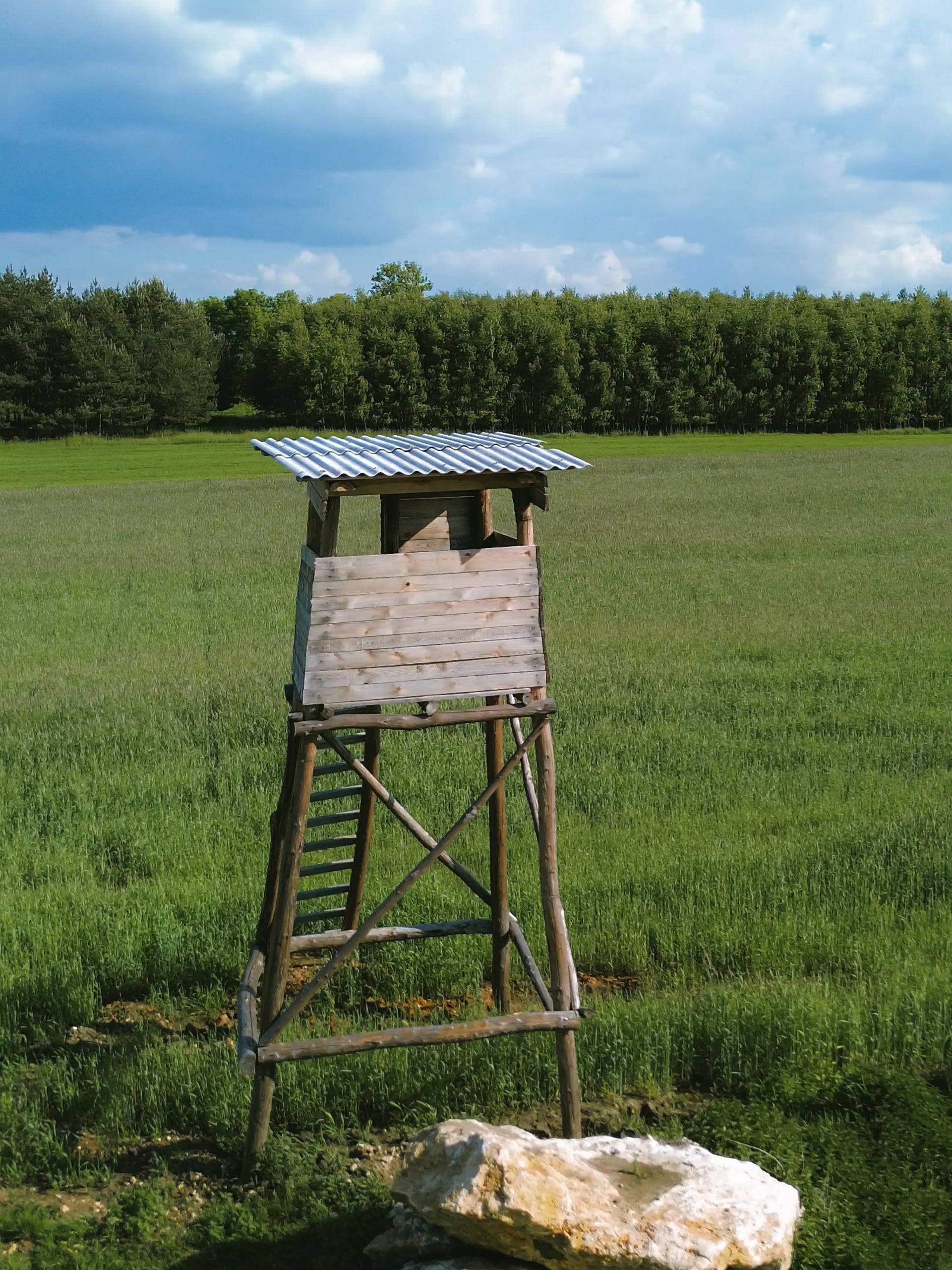
Owning hunting ground gives a sportsman something a public land setup cannot: the ability to shape the property around wildlife, access, and long-term management. But acreage alone does not make good hunting ground. The best properties are deliberately planned so habitat, human movement, safety, and infrastructure work together.
Building the ultimate private hunting property starts well before hanging a stand or clearing a shooting lane. Whether the property is 40 acres or several hundred, the objective is to understand how the land functions and make improvements without destroying the characteristics that attracted wildlife in the first place.
Start With the Right Piece of Ground
Before buying property, decide what the land actually needs to accomplish. A parcel intended primarily for whitetail hunting requires different features from western acreage used for elk, mule deer, or pronghorn. A property that doubles as a private shooting location introduces another set of requirements.
Look beyond acreage. Terrain, surrounding land use, water, vegetation, road access, neighboring development, and adjoining public land can matter as much as the number on the listing.
Digital mapping has made the initial search considerably easier. Satellite imagery, topographic maps, parcel boundaries, and road data allow prospective owners to screen properties before visiting them. The ability to compare rural parcels is also one of the practical benefits of buying land through online platforms, particularly when the search covers several states or remote areas.
Online research is only the beginning. Confirm legal access, boundaries, easements, zoning, taxes, deed restrictions, and permitted uses through appropriate records and authorities. Walk the property whenever practical, as a promising satellite image cannot show every washed-out road, drainage problem, fence, or neighboring activity.
Design Around Wildlife
One of the easiest mistakes is planning a property around where hunters want to sit rather than how animals already use the landscape. Start by identifying bedding or security cover, feeding areas, water, funnels, ridgelines, creek bottoms, saddles, field edges, and natural travel corridors. Trail cameras and careful scouting can then help establish how wildlife moves through these features throughout the year.
The goal is not necessarily to transform the entire property. Often, strategic improvements are more effective.
Protect Security Cover
Wildlife needs places where human disturbance stays low. Dense timber, brush, tall native vegetation, steep terrain, and other difficult-to-access areas can function as sanctuary.
Resist the temptation to put trails everywhere. Leaving portions of the property largely undisturbed can make surrounding hunting locations more productive.
Improve Food and Water Strategically
Habitat work should complement what already exists. Depending on the region and target species, that might mean maintaining native browse, improving forest edges, planting appropriate food plots, managing mast-producing trees, or restoring native grasses.
Water can be equally important in dry areas or on properties without dependable natural sources. Any pond, well, water-control project, or habitat modification should account for local regulations and environmental conditions.
Build Access That Does Not Ruin the Hunt
A good hunting location loses much of its value if reaching it requires walking through the areas animals use most. Plan entry and exit routes around prevailing winds, terrain, cover, and expected animal movement. Existing logging roads, field edges, creek beds, and terrain breaks can sometimes provide concealed approaches.
Vehicle access deserves similar consideration. A main road or trail system is useful for property maintenance, hauling equipment, recovering game, and emergencies, but excessive road construction fragments cover and increases disturbance.
A practical layout usually combines dependable vehicle routes with quieter foot-access trails. Parking areas should also be positioned away from primary hunting zones whenever the property allows it.
Plan Stands and Positions for Real Conditions
Permanent blinds, elevated stands, and other hunting positions should be selected after studying movement patterns rather than simply choosing the locations with the longest views. Consider prevailing wind direction, morning and evening thermals, sun position, seasonal vegetation, expected shot angles, and safe backstops. Multiple stand locations can provide alternatives when wind or animal movement makes a favorite location unsuitable.
Shooting lanes also require restraint. Clearing too aggressively can make animals reluctant to use an area. Selective trimming generally preserves more cover while still creating practical shooting opportunities.
Whatever the setup, every firing direction should have a clearly understood safe zone. Hunters must know what lies beyond the target, including roads, buildings, trails, livestock areas, neighboring property, and terrain that may not provide an adequate backstop.
Create a Dedicated Practice Area
For firearm enthusiasts, one major advantage of rural property is the possibility of incorporating a private practice area where lawful and appropriate. Keep recreational shooting separate from core wildlife habitat when possible. Frequent gunfire, vehicles, and foot traffic around prime bedding or feeding areas can undermine other management efforts.
The site should be selected around safety first. A substantial natural earth backstop is preferable, with firing directions planned to keep projectiles contained within the designated area. Steel targets, if used, require appropriate target design, placement, distance, and ammunition considerations to control fragmentation and ricochet hazards. Before construction or use, verify applicable federal, state, county, and local requirements as well as deed restrictions or other property-specific rules.
Add Infrastructure Without Overbuilding
The best hunting properties are functional, but that does not mean every acre needs improvement. A secure equipment shed can keep stands, tools, targets, and maintenance gear organized. A simple cabin or camp can make multi-day hunts easier on remote properties. Gates and clearly maintained boundary markings can help control access.
Other practical additions may include game-processing space, equipment storage, improved drainage on roads, bridges or culverts where appropriate, and designated areas for ATVs or utility vehicles.
Prioritize infrastructure that solves a recurring problem. Money spent keeping the main access road usable may provide more value than adding an elaborate structure that is occupied a few weekends each year.
Think Beyond Opening Day
A well-designed hunting property is a long-term project rather than a one-season build. Keep records of trail camera observations, harvests, habitat projects, stand locations, maintenance, and wildlife activity. Over several seasons, patterns become clearer. A stand that looked perfect on a map may rarely produce encounters, while an overlooked creek crossing might become one of the most dependable locations on the property.
Timber management, invasive species control, vegetation work, erosion control, and road maintenance can also affect the land for decades. Professional foresters, wildlife biologists, extension services, and qualified contractors can be valuable when a project exceeds the owner’s expertise.
The ultimate private hunting property is not always the parcel with the most stands, biggest food plots, or longest shooting lanes. It is ground where wildlife habitat, hunter access, firearm safety, and useful infrastructure have been considered as parts of the same system. Build around those fundamentals and adjust based on what the land reveals over time, and the property can become more functional with every season.

Casey Cartwright
Latest posts by Casey Cartwright (see all)
- The Risks of Remote Shooting Trips and How To Prepare – October 22, 2026
- Truck Maintenance Mistakes That Can Ruin a Hunt – October 21, 2026
- Types of Gun Holsters Available for Concealed Carry – October 20, 2026

Leave a Reply