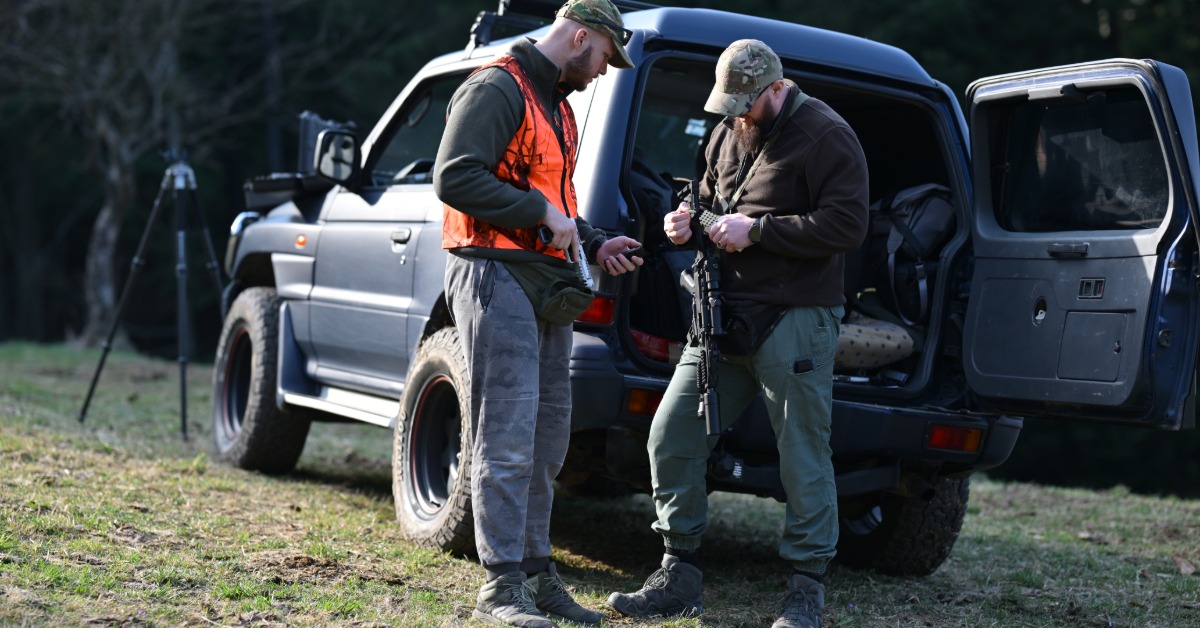
A good hunting setup is rarely defined by how much equipment it contains. The better measure is whether the equipment works together when conditions turn cold, wet, muddy, dark, or simply inconvenient.
That makes practical hunting and outdoor recreation setup planning a systems problem. Firearms, optics, clothing, transportation, navigation, storage, and emergency equipment all need to support the same mission without creating complexity. Whether the destination is a backcountry hunting area, a rural range, or a weekend campsite, practical preparation starts with identifying what the trip actually demands.
Start With the Firearm and Field Conditions
Firearm selection should reflect the intended activity, expected conditions, and applicable regulations. Once that decision is made, the supporting equipment can be built around it.
An optic needs to match realistic engagement distances rather than theoretical maximum range. Slings, magazines, ammunition carriers, and other accessories should also be evaluated in the context of field use. A piece of equipment that works perfectly from a shooting bench may become awkward after several hours of hiking through brush.
Environmental conditions matter as well. Rain, dust, snow, and rapid temperature changes can affect equipment, while rough travel may expose firearms and optics to repeated vibration and impact. Protective cases and sensible storage deserve as much consideration as the equipment inside them.
Safe handling remains the constant regardless of environment. Establishedfirearm safety practices include maintaining control of muzzle direction, keeping firearms unloaded when they are not in use, using the correct ammunition, and knowing the target and what lies beyond it. Those principles remain relevant from the range to a remote hunting camp.
Build a Loadout Around Essential Functions
A field kit becomes easier to organize when equipment is grouped by function instead of accumulated from a generic checklist.
Navigation and Communication
Electronic mapping has made backcountry navigation considerably easier, but a phone should not be the only option available. Battery packs, charging cables, offline maps, and a backup navigation method add redundancy.
Communication requirements depend heavily on terrain and distance from populated areas. In locations with unreliable cellular coverage, appropriate satellite communication or emergency signaling equipment can provide an additional layer of preparedness.
Clothing and Weather Protection
Layering is more adaptable than relying on a single heavy garment. A practical system can combine a moisture-managing base layer, insulation, and an outer shell suited to wind and precipitation.
Gloves, quality footwear, spare socks, and head protection may sound less interesting than firearms or optics, but poor clothing choices can end an outing quickly. Conditions can also change substantially between the early morning and afternoon, making packable layers particularly useful.
Field Maintenance and Medical Equipment
A compact firearm maintenance kit can address minor issues involving dirt, moisture, loose hardware, or an obstructed bore. There is little reason to carry an entire workbench, but tools appropriate for the specific firearm and optic prevent a minor problem from ending the day.
First-aid equipment should likewise reflect the activity, group size, remoteness, and the user’s level of training. Equipment is most useful when the person carrying it knows how and when to use it.
Treat the Vehicle as Part of the Equipment System
For many hunters, the vehicle is the largest and most important piece of support equipment they bring. The question is not simply whether a vehicle can travel off pavement; it is whether it can reliably negotiate the actual access roads involved while carrying people, equipment, and supplies.
Ground clearance, appropriate tires, underbody protection, cargo capacity, and recovery points matter considerably on poorly maintained forest roads or rough recreational routes. Vehicle size is not the only consideration, either, as compact platforms can offer maneuverability where trails and access roads are narrow.
Unconventional vehicles can sometimes be adapted around a specific use case. Even modifying a smart car for off-road use offers additional clearance, with suitable tires, suspension changes, and protection for vulnerable components expanding where a vehicle can reasonably travel.
That does not make every vehicle appropriate for every trail. Modifications should be matched to the terrain, load, vehicle design, and expected use rather than undertaken simply because more clearance or a more aggressive tire looks useful.
Organize Cargo for Access and Safety
Throwing equipment into the back of a vehicle may work for a short drive to the range. It becomes less effective during a multi-day hunting trip.
Frequently used items should be accessible without unloading everything else. Wet and muddy equipment can be separated from dry clothing and sensitive electronics. Food, water, recovery gear, tools, and emergency supplies should each have designated locations.
Firearms and ammunition should be transported and stored in accordance with applicable laws and safe-handling practices. A secure storage plan also prevents expensive firearms and optics from becoming loose cargo on rough roads.
A modular approach works particularly well. Weather-resistant containers, smaller organizers, and labeled pouches make it easier to change the loadout between hunting, camping, range trips, and other outdoor activities.
Carry Recovery Equipment
Traveling beyond maintained pavement introduces another equipment category: vehicle recovery. What belongs in the kit depends on the vehicle and terrain, but basic considerations include a properly rated recovery strap, appropriate attachment hardware, traction aids, a shovel, tire repair equipment, an inflator, a jack suitable for the vehicle, and basic hand tools.
The critical factor is familiarity. Recovery equipment can involve substantial forces, and improper attachment or use creates serious hazards. Owners should understand the vehicle manufacturer’s guidance, rated recovery points, and the limitations of their equipment before needing it in the field.
Preventive maintenance matters just as much. Checking tire condition and pressure, fluids, battery condition, lights, and the spare tire before departure is considerably easier than dealing with a preventable failure miles from pavement.
Review Equipment Before Adding More
After assembling a loadout, one of the most useful exercises is removing unnecessary equipment. Every additional item consumes space and adds weight. Duplicate equipment makes sense when redundancy addresses a meaningful failure point—navigation, illumination, fire starting, communication, or critical tools, for example. Carrying multiple items that accomplish the same low-priority task usually creates clutter.
Experience provides the best filter. After each trip, note what was used, what was missing, and what never left its storage container. Over several outings, the kit becomes more specific to the terrain, season, firearm, vehicle, and individual.
Ultimately, building an effective hunting and outdoor recreation setup is not about having the largest collection of equipment. It is about building a dependable system in which each component has a clear purpose. Thoughtful firearm handling, appropriate field gear, organized storage, reliable transportation, and realistic contingency planning make outdoor trips simpler and leave more attention available for the activity itself.

Casey Cartwright
Latest posts by Casey Cartwright (see all)
- The Risks of Remote Shooting Trips and How To Prepare – October 22, 2026
- Truck Maintenance Mistakes That Can Ruin a Hunt – October 21, 2026
- Types of Gun Holsters Available for Concealed Carry – October 20, 2026

Leave a Reply