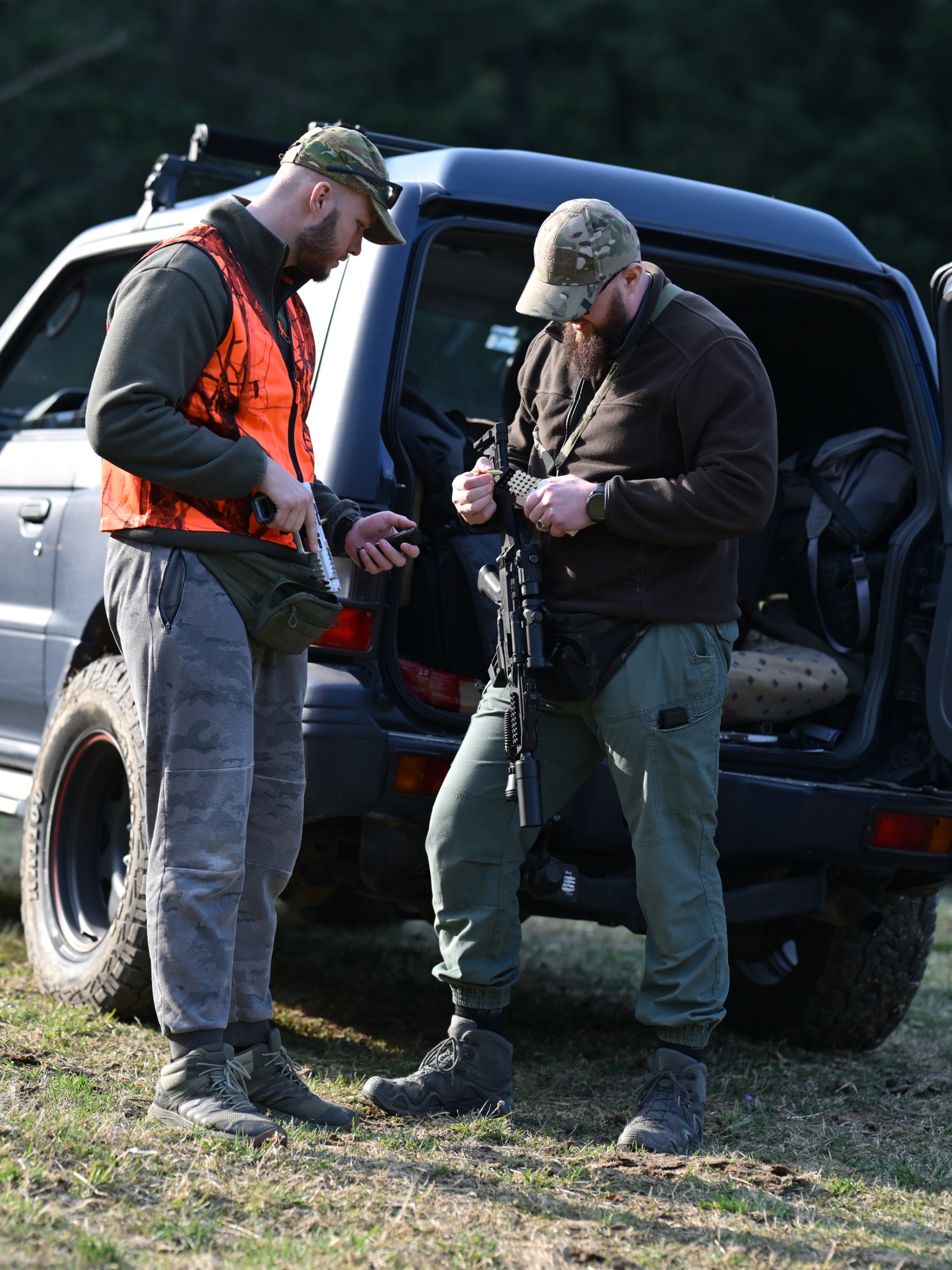
A hunt a few hours from home leaves some margin for forgotten equipment or a late departure. Put several states between your driveway and the hunting property, and those small problems become much harder to correct. Distance affects more than your time on the road because it changes which supplies you can replace, how you coordinate camp, and how much flexibility remains after you arrive. Planning changes when your hunting trip is far from home, and it starts with recognizing which familiar conveniences disappear once home is hundreds of miles away.
Start Planning From the Destination Backward
Local knowledge covers plenty of gaps during a hunt close to home. You probably know the roads around the property, where to stop for supplies, and roughly how long each part of the trip takes. An unfamiliar destination removes those advantages, making research into the hunting area a useful starting point before you build the travel plan.
Planning becomes more reliable when you first identify the conditions waiting at the destination, including road access and expected weather. From there, determine which supplies or services will actually be available near the property. A store that looks close on a map may still require a lengthy detour from camp, while limited operating hours can make a forgotten item surprisingly difficult to replace. Once you know what the destination cannot readily provide, you can make better decisions about what needs to leave home with you.
Give Firearms and Optics Their Own Travel Plan
A rifle that normally rides twenty minutes to a local property faces different conditions during a full day or longer in a vehicle. Cases may shift as other equipment moves around them, while repeated loading and unloading create additional opportunities for expensive optics or firearms to take an unintended knock. Packing those items deliberately keeps the equipment central to the hunt from becoming ordinary cargo.
Long-distance travel can involve another consideration when a route crosses state lines. Verify the firearm possession and transportation laws that apply along your route as well as those at the destination. After reaching camp, inspect the equipment before heading into the field. Catching a loose mount or another travel-related issue during setup leaves more room to address it before the hunt begins.
Treat Your Base Camp as Part of the Logistics
Longer trips can make camp a logistical component of the hunt, particularly when the property sits far from conventional lodging. Some hunters may use a nearby cabin or motel, while an RV or travel trailer can establish a base directly on or near the hunting location. Access to the property and the expected length of the stay should shape that decision.
Using an RV does not necessarily mean its travel schedule has to match the hunters’ schedule. When the property is hundreds of miles away, transporting an RV versus driving it yourself may become one of the decisions involved when planning the destination. Resolving that question early allows hunters to plan their own departure around the trip they need to make, without automatically tying every vehicle and person to the RV’s itinerary.
Pack for Failures That Could Disrupt the Hunt
Once destination research establishes what will be difficult to replace, packing can shift from bringing more gear to choosing backups strategically. A dead battery or damaged piece of equipment might cause a minor delay near home. At an isolated hunting property, the same problem can cost hours if the nearest replacement requires a long drive.
Useful redundancy comes from identifying the equipment failures that could have an outsized effect on the hunt, then carrying practical backups for those items. Spare power deserves attention when electronics support navigation or other essential tasks, while basic firearm-maintenance supplies can address minor issues without requiring a trip into town.
Give Yourself a Real Arrival Window
Once hunters settle their travel and equipment plans, arrival becomes the transition between getting there and hunting. Reaching an unfamiliar property after dark can make basic setup unnecessarily difficult because roads and access points look different when you have never seen them in daylight. A rushed arrival can become even more frustrating when several hunters or vehicles reach camp at different times.
Building daylight into the arrival schedule creates room to learn about the immediate surroundings and unload without racing the clock. It can also absorb a traffic delay or slower-than-expected final stretch without pushing every camp task late into the evening. When the schedule allows, reserving arrival day for setup gives the group time to address problems before the first morning in the field.
Plan for What Happens After a Successful Hunt
Most pre-trip planning naturally concentrates on reaching the hunting property, but success can change the logistics considerably. Game care becomes an immediate responsibility, and a long drive home removes some of the flexibility available during a local hunt. Waiting until an animal is down to determine what comes next can leave hunters searching for options when time already matters.
The plan should account for the species being hunted, expected conditions, and the length of the return journey. Hunters relying on local processing should confirm availability before leaving home, particularly during a busy season. Those handling more of the work themselves need enough room and appropriate equipment for the trip back. The vehicle that felt carefully packed on departure may need to accommodate a very different load on the return.
Leave Room for the Drive Home To Change
Even a well-planned hunt can finish on a different schedule than expected, so the return journey deserves flexibility of its own. After several early starts and long days outdoors, the drive home can demand considerably more from hunters than it appeared to when they built the itinerary.
Avoid making the last day depend on reaching an unnecessarily rigid departure time. When hunters travel in several vehicles, knowing where essential equipment will ride can prevent one person’s schedule change from affecting the rest of the group. A return plan with some breathing room allows the hunt to finish on its own terms without turning the final hours into a race to get back on the highway.
Distance Makes Preparation More Valuable
A distant hunt leaves less room to recover from poor planning because home may be hundreds of miles away, and nearby services may be limited. Hunters who confirm local resources, protect essential equipment during travel, and leave enough time for camp setup can address many problems before they interfere with the hunt.
Thinking through what changes when your hunting trip is far from home gives the entire trip more resilience without trying to predict every possible complication. When the destination, equipment, camp, and travel schedule fit together before departure, hunters can spend less of a distant trip solving logistical problems and more of it focused on why they made the journey.

Casey Cartwright
Latest posts by Casey Cartwright (see all)
- How To Build the Ultimate Private Hunting Property – October 1, 2026
- Building a Practical Setup for Hunting & Outdoor Recreation – October 1, 2026
- How To Maintain a Trailer for Hunting Season – October 1, 2026

Leave a Reply