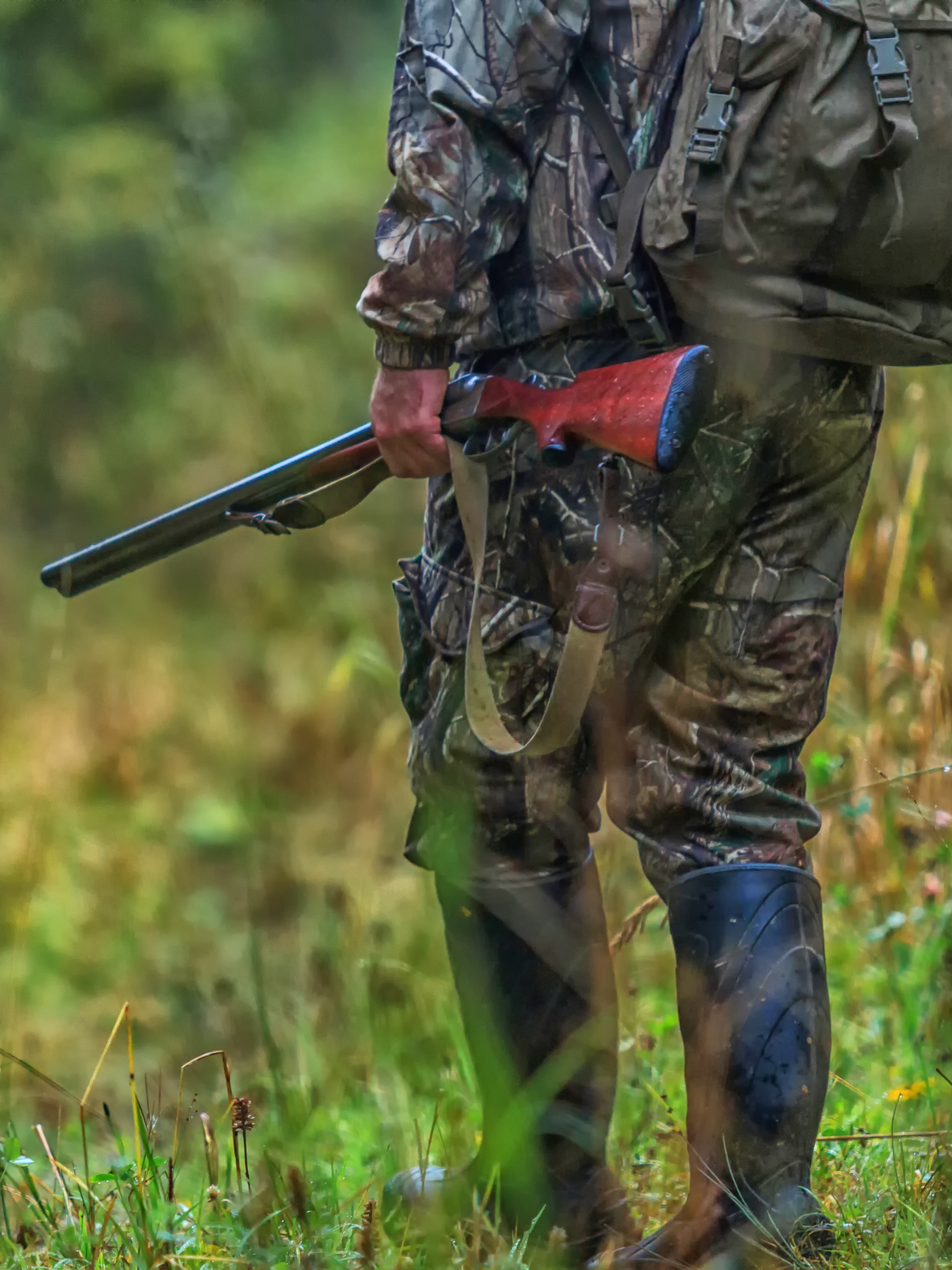
Hunters spend plenty of time thinking about the big decisions. They scout locations, study animal movement, watch weather forecasts, prepare equipment, and decide where they want to be when daylight arrives. Yet a hunt that looks well planned on paper can still unravel because of something surprisingly minor.
Understanding the small mistakes that can cut a hunting day short is less about achieving perfect preparation and more about eliminating avoidable problems. The longer you intend to remain in the field, the more those little details matter.
Dressing for the Walk Instead of the Wait
One of the easiest mistakes to make is judging your clothing based on how you feel while moving. Walking to a stand generates body heat, especially when carrying equipment or traveling over difficult terrain. An outfit that feels comfortable during that period may be inadequate once you have been sitting still for an hour.
The opposite problem can happen as well. Wearing every insulating layer during a strenuous walk may cause excessive sweating. Once you stop moving, damp clothing can make cold conditions feel significantly worse.
Planning clothing around the entire day is more effective than dressing for the conditions you experience when leaving the vehicle. Hunters expecting to remain stationary for extended periods should consider temperature changes, wind, precipitation, activity level, and the ability to add or remove layers. Thinking through what to wear for a full day in the deer stand can help prevent an otherwise promising hunt from ending simply because staying comfortable became impossible.
Underestimating How Much the Weather Can Change
A forecast is a starting point, not a guarantee of what conditions will feel like at a particular hunting location. Temperatures can rise quickly after sunrise or fall sharply toward evening. Wind can make moderate temperatures uncomfortable, while unexpected rain or snow can create entirely different challenges.
Local conditions matter too. A sheltered area may feel dramatically different from an exposed ridge or open field. Hunters who prepare for only one version of the day’s weather can find themselves carrying equipment that is poorly suited to what actually develops.
Checking the forecast shortly before leaving helps, but flexibility is equally important. Having a reasonable way to adjust to changing temperatures and precipitation can make the difference between staying through a productive evening period and heading home hours earlier than expected.
Ignoring Food and Water Until You Need Them
Hunger rarely seems urgent at the beginning of a hunt. After several hours, however, it can become difficult to ignore. The same is true of hydration. Cooler weather may reduce the sensation of thirst without eliminating the body’s need for water.
Hunters who become hungry, thirsty, or low on energy may find themselves increasingly distracted. Concentration becomes harder, patience decreases, and the idea of returning to the vehicle starts becoming more appealing.
Food does not need to be elaborate. The goal is simply to have enough available to maintain energy without creating unnecessary inconvenience. Water deserves the same deliberate planning. What feels like extra weight in the morning may become one of the most appreciated items later in the day.
Wearing Boots That Have Never Been Tested
New boots can look like the perfect choice until they are actually worn over uneven ground for several hours. Pressure points, rubbing, insufficient insulation, poor sock combinations, or inadequate waterproofing may not become obvious during a short test around the house.
Foot discomfort has a way of dominating attention. Once a blister begins forming or toes become painfully cold, concentrating on anything else gets increasingly difficult.
Testing footwear before an important hunt allows problems to surface when they are easy to correct. Socks should receive similar attention. A combination that works for everyday use may behave differently during a long hike followed by hours of inactivity.
Bringing Too Much Gear
Being prepared does not mean carrying everything you own. Overpacking can create its own problems, particularly when reaching a stand requires a significant walk.
A heavy pack increases fatigue and can cause sweating before the hunt has even begun. Too much equipment can also make organization harder. Instead of having important items readily accessible, hunters may spend time digging through a crowded pack.
A better approach is to evaluate equipment according to realistic needs for the location, weather, and expected duration. Essential safety and hunting equipment should take priority, followed by items that directly support comfort and endurance. Anything else should earn its place.
Failing to Organize Before Leaving Home
Even hunters who bring the right equipment can create unnecessary problems by packing it poorly. If an essential item is buried at the bottom of a bag, retrieving it may require more movement and noise than expected.
Organization becomes particularly important in low-light conditions. Hunters arriving before sunrise should know where commonly needed equipment is located rather than searching through multiple pockets in the dark.
A simple packing routine can reduce these frustrations. Keeping frequently used items in consistent locations makes them easier to retrieve quietly and efficiently. It also makes it easier to notice when something is missing before leaving home.
Staying Long Enough for the Opportunity
Successful hunting often depends on being present when an opportunity finally appears. That makes endurance a practical part of preparation. You cannot control wildlife movement, changing conditions, or whether a particular day produces the activity you hoped for. You can control many of the reasons you might decide to leave early.
Avoiding small mistakes that can cut your hunting day short comes down to thinking beyond the first hour. Clothing needs to work when you are stationary. Food and water need to last. Footwear must remain comfortable. Equipment should be organized, and your plan should account for changing conditions as well as the return trip.
None of these considerations is especially dramatic. That is precisely why they are easy to overlook. A hunting day is rarely ruined by one spectacular planning failure. More often, several minor frustrations accumulate until staying no longer feels worthwhile. Addressing those details before heading out gives you a better chance of remaining comfortable, focused, and patient when the moment you have been waiting for finally arrives.

Casey Cartwright
Latest posts by Casey Cartwright (see all)
- How To Build the Ultimate Private Hunting Property – October 1, 2026
- Building a Practical Setup for Hunting & Outdoor Recreation – October 1, 2026
- How To Maintain a Trailer for Hunting Season – October 1, 2026

Leave a Reply