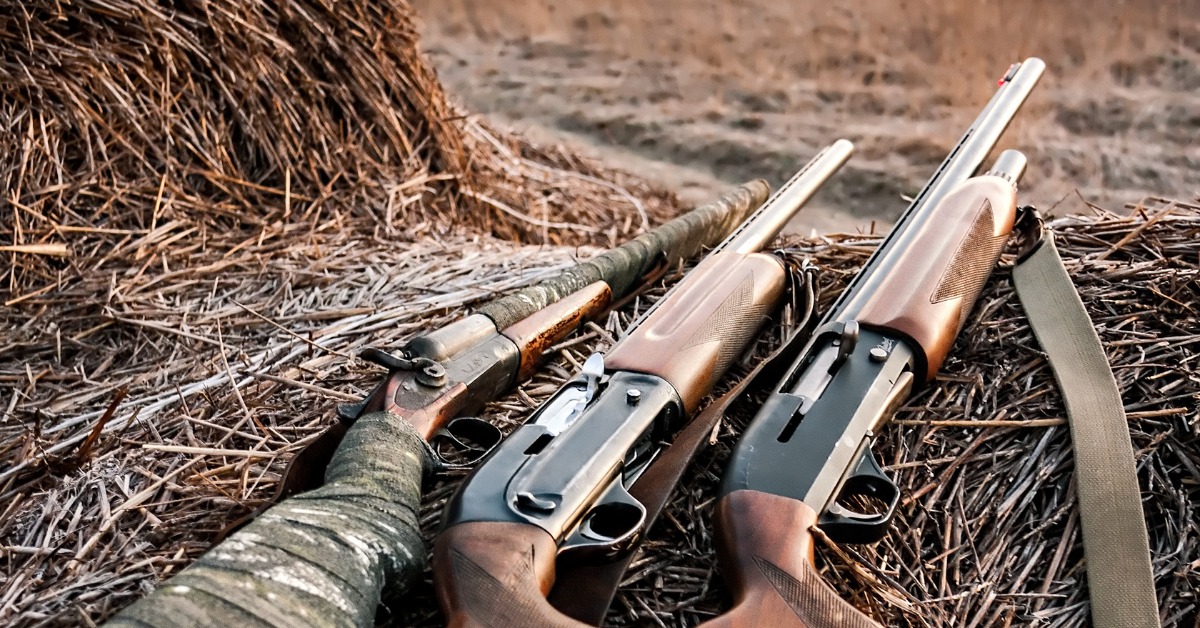
Hunters tend to accumulate a surprising amount of gear over time. Boots, packs, camouflage, coolers, trail cameras, blinds, tools, cleaning supplies, and seasonal clothing can quickly take over a garage, basement, or spare room. Once everything competes for space, finding the right item before an early-morning trip becomes frustrating.
A dedicated shed gives hunters a practical place to store outdoor equipment, freeing up space inside the house. It can also serve as a preparation area, maintenance station, and home base throughout hunting season. Whether you hunt a few weekends each year or spend much of the season outdoors, an organized shed is a great idea for any hunter.
Keep Gear Together
Hunting gets much simpler when everything lives in one general location. Instead of checking the garage for boots, the basement for a backpack, and a closet for outerwear, you can head straight to the shed.
Keeping related equipment together also helps you see what you already own. You may find extra gloves, batteries, straps, or other supplies before buying replacements you don’t need.
A dedicated storage area also makes seasonal transitions easier. When one hunting season ends, you can clean the equipment, put everything away, and start preparing for the next season without scattering gear around the house.
Protect Indoor Space
Mud, leaves, water, and outdoor odors often follow hunting gear home. Even careful hunters can bring dirt inside on boots, packs, and clothing after a long day in the field.
A shed creates a buffer between outdoor equipment and your living space. You can remove muddy boots, hang damp outerwear, and set down dirty equipment before entering the house.
That separation can prove especially useful during wet fall weather. Instead of covering an entryway or garage floor with drying gear, you can keep the mess contained in an area designed for outdoor equipment.
Create Better Organization
A shed gives you the freedom to design storage around how you hunt. Wall hooks can hold packs and clothing, shelving can hold bins and supplies, and cabinets can keep smaller items from disappearing.
When organizing your gear shed, group equipment according to how you use it. Keep frequently used items within easy reach and place seasonal or backup supplies farther out of the way.
Clear containers can also help you quickly spot small pieces of equipment. Labels make sense for items such as batteries, game calls, straps, first-aid supplies, and trail camera accessories.
Good organization saves time before a trip. You can spend less time searching and more time checking your equipment and getting ready to leave.
Prepare Before Each Trip
Hunters often need a staging area before heading into the field. A shed can give you enough room to lay out clothing, charge electronics, check your pack, and review what you plan to bring.
A sturdy table works well for this purpose. You can spread out gear and confirm that you have everything you need without covering a kitchen table or bedroom floor.
This setup also helps after the trip. You can empty your pack, clean equipment, replace used supplies, and put everything back where it belongs.
That routine makes the next outing easier because you won’t discover missing batteries or wet gloves five minutes before departure.
Maintain Equipment
Outdoor equipment lasts longer when you clean and maintain it regularly. A shed can give you a dedicated place to handle those jobs without bringing dirt and debris into your home.
Set aside a work surface for cleaning boots, repairing packs, checking straps, and maintaining other field equipment. Keep basic tools nearby so you can handle small repairs as soon as you notice them.
You can also use the space to inspect tree stand accessories, blinds, trail cameras, and other equipment between outings. Catching a damaged buckle or worn strap at home gives you time to replace it before you depend on it in the field.
Store Clothing Separately
Hunting clothing takes up a lot of space, especially when you need multiple layers for changing weather. Jackets, base layers, rain gear, gloves, hats, and insulated pants can overwhelm a household closet.
A shed with adequate storage gives those items a home. Add garment hooks, shelves, or enclosed containers to keep clothing organized between trips.
Keep moisture in mind when planning clothing storage. Good airflow and dry conditions help protect fabrics and prevent unpleasant odors.
You can also separate clothing by season or purpose. That approach makes it easier to grab the right layers when temperatures suddenly change.
Make Room for Trail Cameras
Trail cameras come with plenty of small accessories. Batteries, memory cards, straps, mounts, cases, and chargers can disappear quickly when you scatter them across different rooms.
A shed gives you one location for camera preparation. You can replace batteries, clear memory cards, check mounts, and organize each unit before heading outside.
A small charging station can also help if you use rechargeable batteries or other electronic equipment. Keep cords and accessories together so you don’t waste time looking for the right charger. This setup turns camera maintenance into a quick routine instead of a scavenger hunt.
Free Up the Garage
Many hunters naturally use the garage for equipment storage until the collection grows too large. Soon, hunting gear starts competing with vehicles, lawn equipment, tools, bicycles, and household storage.
Moving hunting equipment into a shed can give the garage some breathing room. You can reclaim wall space, clear walking paths, and reduce clutter around vehicles.
The shed also gives you more control over how you arrange your equipment. You don’t have to work around a car door, lawn mower, or stack of household boxes when you need to reach your gear.
Build a Year-Round Workspace
A hunting shed doesn’t have to sit unused outside the season. You can use it year-round to repair equipment, prepare trail cameras, organize camping supplies, or work on other outdoor projects.
Adding a workbench can make the space even more useful. Good lighting also helps when you need to inspect small equipment or work after sunset.
If you spend time fishing, hiking, camping, or doing other outdoor activities, the shed can support those hobbies, too. You can create one outdoor gear headquarters instead of spreading equipment across several parts of the house.
Improve Your Routine
A shed won’t make someone a better hunter on its own, but it can improve the routines that surround each trip. Good preparation becomes easier when you know where your equipment sits and have room to inspect it.
You can build habits around returning gear to the same location after every outing. That consistency reduces forgotten items and last-minute searches.
The shed can also help you keep hunting equipment separate from everyday household belongings. That separation makes both areas easier to organize and maintain.
Give Your Gear a Home
Hunters invest time and money into equipment that helps them stay comfortable, prepared, and organized outdoors. A dedicated shed gives that hunting equipment a practical home instead of forcing it into whatever storage space remains inside the house. You can prepare for trips, maintain equipment, organize clothing, and put everything away when the season ends.
A good shed does more than reduce clutter. It creates a dependable place where hunting preparation starts and finishes, which can make every trip feel a little more organized from the moment you begin packing.

Casey Cartwright
Latest posts by Casey Cartwright (see all)
- How To Build the Ultimate Private Hunting Property – October 1, 2026
- Building a Practical Setup for Hunting & Outdoor Recreation – October 1, 2026
- How To Maintain a Trailer for Hunting Season – October 1, 2026

Leave a Reply