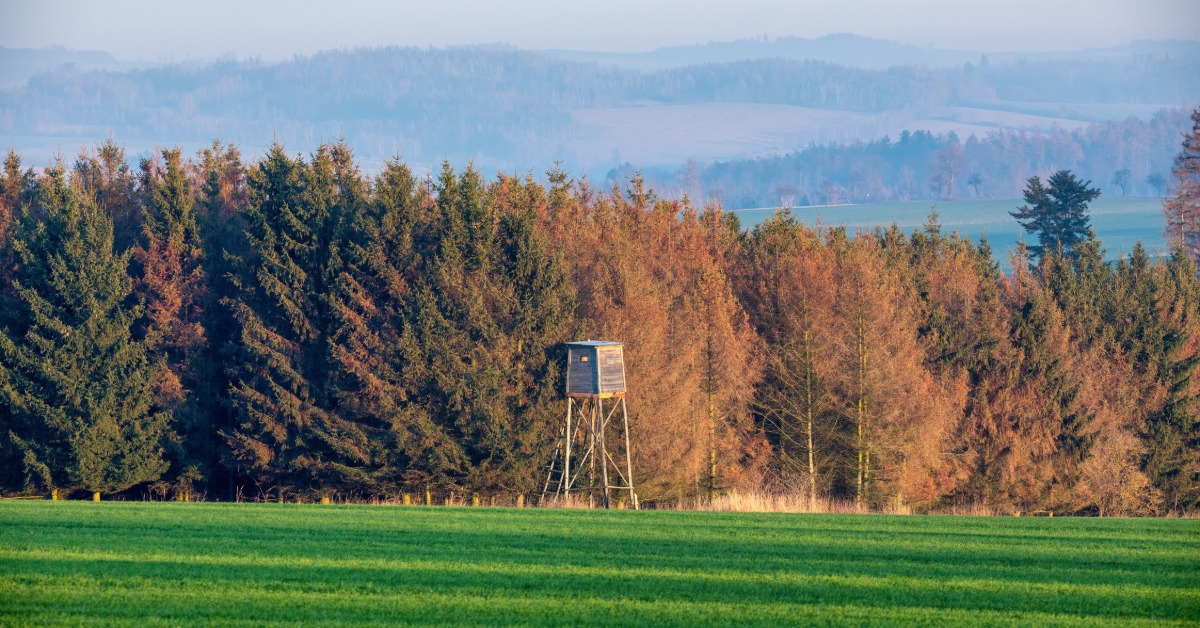
A productive hunting property requires careful planning. Whether the goal is better whitetail habitat, more predictable game movement, cleaner shooting opportunities, or simply easier access to stands and blinds, thoughtful property management makes a noticeable difference.
The best improvements do more than attract animals; they support habitat throughout the year while helping hunters move around the property efficiently and safely. Fortunately, meaningful improvements don’t always require major earthwork or a massive budget. These land management tips for a better hunting property focus on practical changes that pay off season after season.
Start With Habitat
It’s tempting to begin property planning by deciding where to hang stands or place blinds. A better approach is to first understand what the land already provides.
Walk the property and identify bedding cover, water, natural food sources, travel corridors, open ground, timber transitions, and areas receiving limited human disturbance. Trail cameras can help confirm how animals use these features, but boots-on-the-ground observation remains important.
Once the property’s basic pattern is clear, improvements can complement existing habitat instead of working against it. For example, thick cover near a natural feeding area may be more valuable left untouched than cleared for another food plot.
Build Better Food and Cover
Food plots are popular for good reason, but they are only one part of habitat management. Native browse, mast-producing trees, grasses, brush, and early successional vegetation provide food and cover without concentrating every improvement in one field.
When creating or maintaining plots, consider soil conditions before choosing seed. A soil test can identify pH and nutrient deficiencies and prevent wasted time and fertilizer. Plot shape matters, too, as long, irregular plots bordered by cover may provide wildlife with a greater sense of security than large exposed openings.
Timber and brush management are equally important. Selective cutting allows more sunlight to reach the forest floor, encouraging new growth. Leaving strategic pockets of dense vegetation creates bedding and escape cover. The objective isn’t to make every acre look manicured. Wildlife benefits from a mixture of thick, messy cover and deliberately maintained openings.
Improve Access Without Educating Game
Good access is an essential part of hunting property design. A productive stand isn’t especially useful if reaching it requires walking directly through bedding cover or crossing a major travel corridor. Create trails that allow hunters to enter and leave with minimal disturbance. Where terrain permits, use field edges, creek bottoms, existing roads, and natural visual barriers to conceal movement.
Prevailing winds should also influence access planning. A stand may be positioned correctly for the hunt itself but still be compromised if the approach carries human scent toward the area animals are expected to use.
Keep frequently traveled paths clear enough for quiet movement. Trimming head-high branches and removing loose debris can make early-morning access less disruptive without turning a trail into an unnecessarily wide road.
Manage Shooting Lanes Carefully
Shooting lanes should provide a clear opportunity without stripping away so much vegetation that wildlife movement changes. Before cutting, consider the likely shot angle, distance, and backstop from the actual hunting position. Remove only the vegetation necessary to create an unobstructed line of sight. This is particularly important around permanent blinds, where the surrounding vegetation can change substantially between spring maintenance and fall hunting season.
Periodic trimming is usually better than aggressive clearing. Maintaining narrower lanes preserves surrounding cover while giving the hunter adequate visibility for target identification and an ethical shot. Any cutting near stands should account for dead limbs, unstable trees, uneven terrain, and other hazards that may become difficult to see in low light.
Treat Equipment Maintenance as Part of Property Management
Larger hunting properties often depend on tractors, UTVs, skid steers, mowers, chainsaws, sprayers, and other equipment. Keeping that machinery ready is part of maintaining the land.
Before major seasonal work, inspect tires or tracks, fluids, hydraulic connections, cutting components, and safety equipment. Implements should also be cleaned and inspected after demanding projects.
Storage deserves attention as well since moisture, dirt, damaged hoses, and poor placement can shorten the service life of equipment that sits unused between seasonal jobs. For properties using skid steers for clearing trails, moving brush, or maintaining plots, proper practices for storing skid steer attachments include cleaning attachments, keeping them dry and stable, protecting exposed steel, and inspecting hydraulic components before extended storage.
Make Water Work for the Property
Reliable water can influence wildlife use, particularly in dry regions or during periods of limited rainfall. Existing ponds, creeks, springs, and drainages should be evaluated before adding artificial water sources.
The surrounding habitat matters as much as the water itself. Animals may avoid an otherwise useful source if reaching it requires crossing a large exposed area. Maintaining cover around natural approaches makes water more attractive while reducing unnecessary disturbance.
Drainage is also a practical property management concern. Poorly placed trails and roads can collect water, create erosion, and eventually become difficult to travel. Water bars, culverts, gravel, and thoughtful grading protect access routes when appropriate for the terrain.
Think About the Entire Hunting Season
Property work should account for how conditions change from early fall through winter. Food availability shifts, leaves fall, crops are harvested, hunting pressure increases, and weather can alter animal movement.
A stand surrounded by heavy foliage in September may be exposed by November. Likewise, an access trail that works in dry weather may become muddy or noisy after heavy rain or freezing temperatures.
Reviewing the property throughout the year helps identify these seasonal changes. Trail-camera observations, harvest records, sightings, and notes about wind or access problems can provide useful information for the following year’s projects.
Make Improvements With a Purpose
Effective property management isn’t about completing the greatest number of projects. Every change should solve a specific problem or improve a particular habitat feature. That might mean adding screening cover along an access route, improving drainage on a trail, maintaining a small food plot, opening the forest canopy, or simply designating part of the property as a low-disturbance sanctuary.
The most useful land management tips for a better hunting property ultimately come down to understanding how wildlife already uses the land before attempting any changes. Small, carefully planned improvements produce better habitat, more efficient access, and a property that becomes easier to hunt on and maintain over time.

Casey Cartwright
Latest posts by Casey Cartwright (see all)
- How To Build the Ultimate Private Hunting Property – October 1, 2026
- Building a Practical Setup for Hunting & Outdoor Recreation – October 1, 2026
- How To Maintain a Trailer for Hunting Season – October 1, 2026

Leave a Reply