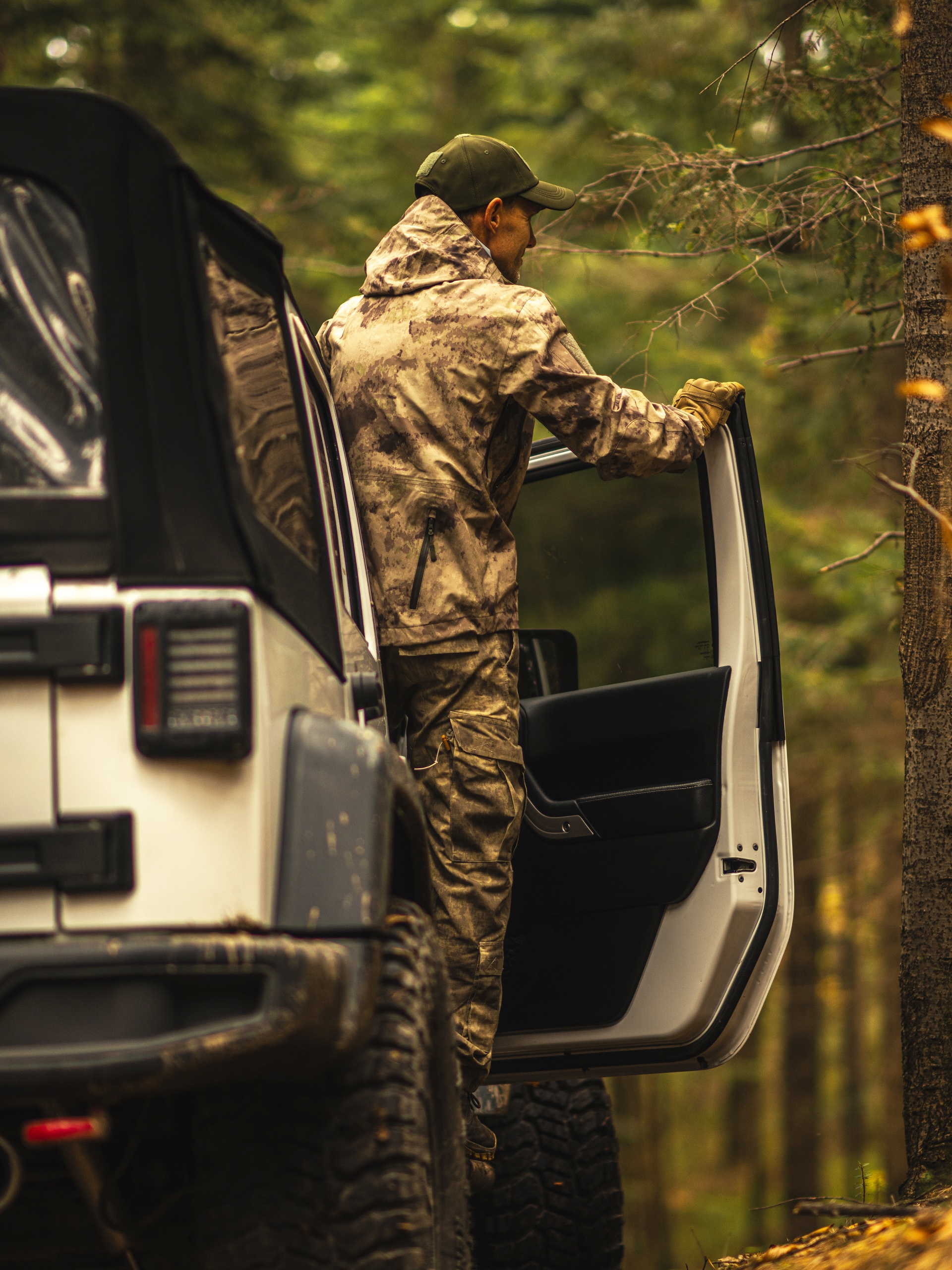
For many hunters, their chosen vehicle is as important as any firearm, optic, or piece of field gear packed for an outing. Whether traveling to a local lease or heading deep into public land, reliable transportation leads to a safer and more productive excursion. A few preventative maintenance steps can reduce the risk of breakdowns and help you keep your vehicle in top shape for hunting trips.
Start With the Basics
Before any hunting season begins, inspect the vehicle’s core systems. Check the engine oil, coolant, brake fluid, and transmission fluid levels. Verify that all belts and hoses show no signs of cracking or excessive wear.
The tires deserve special attention, as uneven tread wear, low tire pressure, or aging rubber can create problems on gravel roads, muddy trails, or remote access routes. Carrying a properly inflated spare tire and the tools needed to change it is a simple precaution that can save valuable time in the field.
Protect Your Gear During Transport
Firearms, optics, and other sensitive equipment can be affected by vibration and shifting cargo. Secure gear in the vehicle using quality cases, tie-downs, or storage systems designed for rough travel conditions.
It is also worth organizing recovery equipment, first-aid supplies, and emergency tools in dedicated compartments. When gear is easy to access, you can spend less time searching through the bed or cargo area and more time focusing on the hunt.
Don’t Overlook Exterior Protection
Many hunting vehicles spend long hours parked in open fields, staging areas, or trailheads. The constant exposure to sunlight can gradually damage the vehicle’s paint, trim, and exterior finishes.
Protecting car paint from UV damage is more than a cosmetic concern. Preserving the paint helps maintain the vehicle’s condition and can reduce long-term deterioration.
Prepare for Off-Road Conditions
A well-prepared vehicle is better equipped to handle unpredictable terrain. Be sure to inspect the skid plates, suspension components, and battery connections before extended hunting trips. Keep recovery straps, a portable air compressor, and a tire repair kit readily available.
Regular vehicle washing is equally important. Mud, road salt, and organic debris can accumulate in wheel wells and undercarriage components, accelerating corrosion over time.
Reliability Matters
Consistent maintenance helps ensure that a hunting trip begins and ends without vehicle issues. By focusing on preventative care, equipment protection, and exterior upkeep, you can improve reliability and keep your vehicle in top shape for the next hunting season.

Casey Cartwright
Latest posts by Casey Cartwright (see all)
- How To Build the Ultimate Private Hunting Property – October 1, 2026
- Building a Practical Setup for Hunting & Outdoor Recreation – October 1, 2026
- How To Maintain a Trailer for Hunting Season – October 1, 2026

Leave a Reply