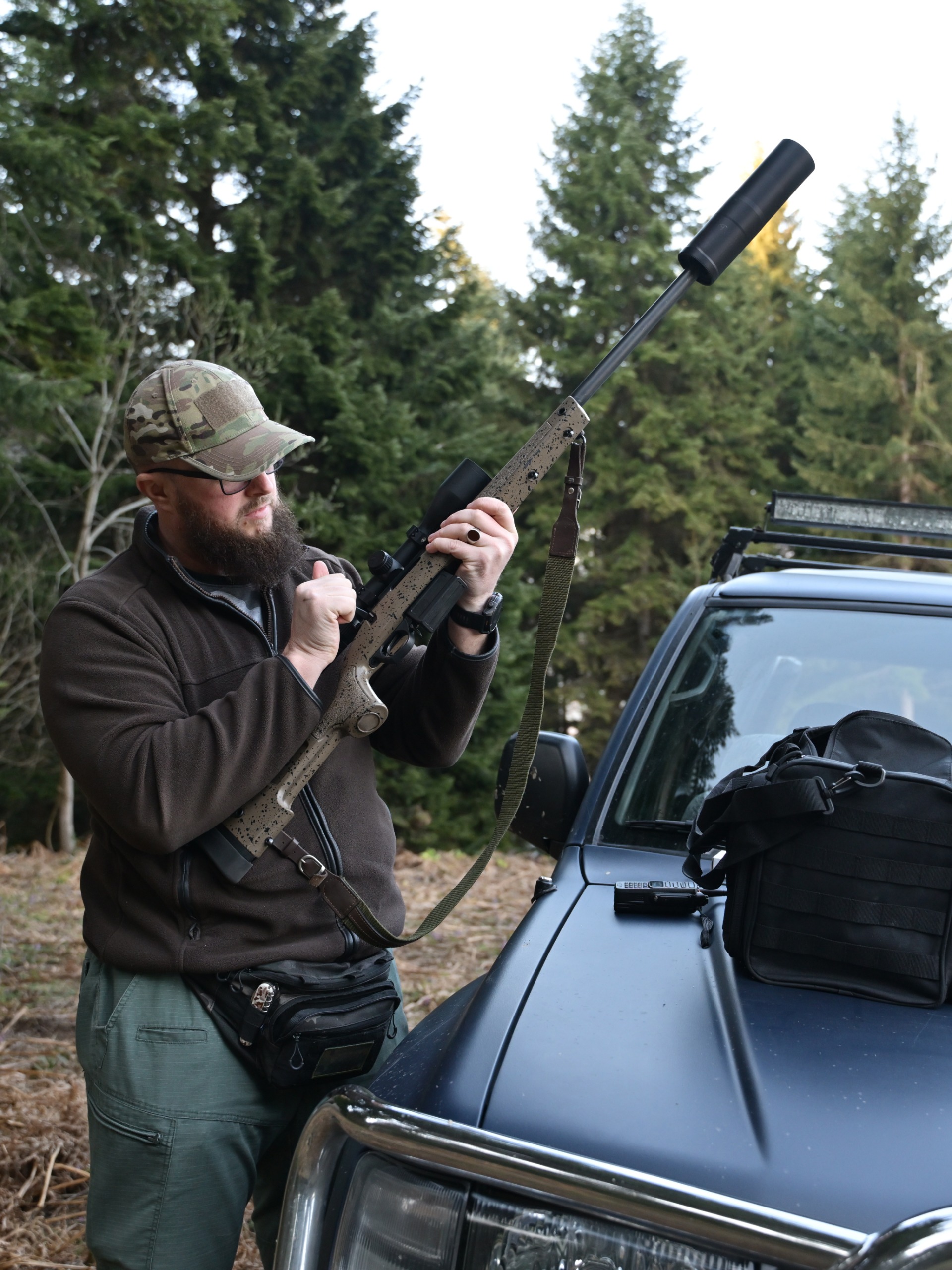
Before sunrise, a gravel access road can make a hunting truck sound much louder than it does in a driveway. A loose case knocks against a toolbox, hitch hardware clanks over a rut, and an unfamiliar engine note competes with every other sound in the cab.
A pre-dawn sound audit on your hunting truck helps you distinguish normal operation from preventable noise and possible mechanical trouble. The goal is not a silent truck. It is a reliable vehicle, a controlled arrival, and less fumbling when the morning is at its quietest.
Start With a Daylight Baseline
Run the first audit at home or in another controlled location during daylight. Use the same cargo, cases, tools, racks, and recovery equipment you expect to carry on the hunt. An empty truck will not reveal how a loaded drawer system or cooler handle behaves on uneven ground.
Begin with a cold start and listen through the first several minutes of operation. Once the engine reaches a normal idle, repeat the check from outside the cab. A second person may hear sounds the driver misses, but that person should remain visible and well away from the truck’s path.
Test light acceleration, low-speed steering, braking, reversing, parking, and turning the car off. Open and close the doors, storage compartments, and tailgate as you would in the field. Learn the truck’s normal sound pattern rather than diagnosing every tick on the spot.
Divide the Truck Into Four Sound Zones
Working by category makes an unfamiliar sound easier to isolate. Instead of walking around tightening random hardware, note when the sound appears, where it seems to originate, and what causes it to change.
Use four basic sound zones:
- Engine and Drivetrain: Idle quality, exhaust note, belts, pulleys, acceleration, and changes tied to engine speed
- Tires and Chassis: Tire noise, suspension movement, brakes, steering, and contact beneath the vehicle
- Exterior Equipment: Racks, hitch hardware, recovery equipment, toolboxes, mounted accessories, and spare-tire hardware
- Cargo and Operation: Cases, bins, coolers, loose tools, door use, tailgate use, and the unloading routine
Repeat the test on a safe surface that resembles the final access road. A sound that changes with engine speed belongs in a different category from one that appears only when a tire enters a rut. A clank that stops when a cargo bin is removed points toward the load. These observations narrow the inspection, but they are not a mechanical diagnosis.
Separate Mechanical Warnings From Loose Gear
Not every sound should be handled with padding or another cargo strap. First determine whether the noise follows engine speed, vehicle speed, braking, steering input, or movement over uneven ground. If it occurs while the truck is stationary and changes with throttle input, start with the engine and its drive components. If it appears only during braking or turning, inspect the systems involved before blaming equipment in the bed.
Any new knock, whistle, or metallic rattle belongs in the mechanical category, because unusual diesel engine noises can point to a fault that should be investigated before the truck heads into remote country. A familiar diesel clatter is not permission to dismiss a new sound, especially when it arrives with smoke, warning lights, reduced power, fluid loss, or a change in starting behavior.
Do not silence a mechanical warning with insulation or improvised padding. Record when it occurs, check only within your skill level, and have the truck evaluated when the cause remains uncertain. Finding the problem at home is better than testing a theory miles from assistance.
Test Cargo and Exterior Hardware
Once mechanical concerns are ruled out, compare the truck empty and loaded. Hard cases can knock together even when they do not slide. Tie-down hooks, jack handles, hitch pins, metal latches, and loose tools can also create sharp, irregular sounds that carry through a quiet parking area.
Secure heavy equipment low in the cargo area with attachment points rated for the load. Separate hard surfaces with fitted dividers or durable padding that cannot migrate beneath pedals or moving components. Contain small tools, and secure loose strap ends so they do not slap the body at road speed.
Inspect exterior equipment before driving. Racks, recovery boards, license plates, antenna mounts, and hitch components should not shift when pushed or pulled. A noisy spare-tire carrier or tailgate deserves attention, but repairs should follow the manufacturer’s instructions.
Keep firearms secured in stable cases throughout the drive. Organize the load so you can remove a firearm case deliberately without first shifting coolers, tools, or unsecured equipment. A quiet routine still has to support safe handling.
Rehearse the Final Approach and Unloading
The most useful part of the pre-down audit on your hunting truck is the rehearsal. Before the trip, perform the last few minutes exactly as you expect them to happen: slow approach, parking, shutdown, door opening, gear removal, and departure on foot.
Finish sorting equipment at home, camp, or another authorized staging area. Do not wait until the trail to find batteries or shooting sticks. Load items in the order you will need them, with the first items needed positioned within easy reach.
Drive the final access road at a controlled speed appropriate for the surface, visibility, and posted rules. Smooth throttle, braking, and steering inputs reduce load movement while improving control.
Choose an authorized parking location in advance. Park once instead of making repeated adjustments, and avoid unnecessary idling after positioning the truck. On private land, confirm where vehicles belong and which roads must remain clear.
Use a simple unloading order:
- Set the parking brake, shut down normally, and confirm the vehicle is secure.
- Remove the primary pack and essential equipment from the nearest accessible position.
- Retrieve secured firearm cases deliberately, following applicable safety practices.
- Check the seating and cargo areas once instead of making repeated return trips.
- Close doors, storage compartments, and the tailgate under control rather than letting them slam.
The objective is not theatrical silence. It is eliminating preventable clanking, searching, repeated door use, and last-minute reorganization. That discipline shows consideration for nearby hunters and property owners.
Repeat the Audit After Every Setup Change
A hunting truck’s sound profile changes with its equipment. A new drawer system, bed rack, storage box, recovery tool, spare-tire setup, or trailer connection introduces different contact points and hardware. Repeat the daylight test after every meaningful change, even when the installation feels solid in the garage.
Recheck the load after the first section of rough road, and correct movement before traveling deeper into the property. Over time, the audit becomes another part of pre-hunt preparation, alongside checking weather, confirming the route, and organizing field gear.
A dependable hunting truck does more than reach remote ground. It arrives under control, carries equipment safely, and gives the driver enough familiarity to recognize when something has changed. Learn your truck’s normal sounds, address the abnormal ones, and make the final approach as deliberate as the hunt that follows.

Casey Cartwright
Latest posts by Casey Cartwright (see all)
- How To Build the Ultimate Private Hunting Property – October 1, 2026
- Building a Practical Setup for Hunting & Outdoor Recreation – October 1, 2026
- How To Maintain a Trailer for Hunting Season – October 1, 2026

Leave a Reply