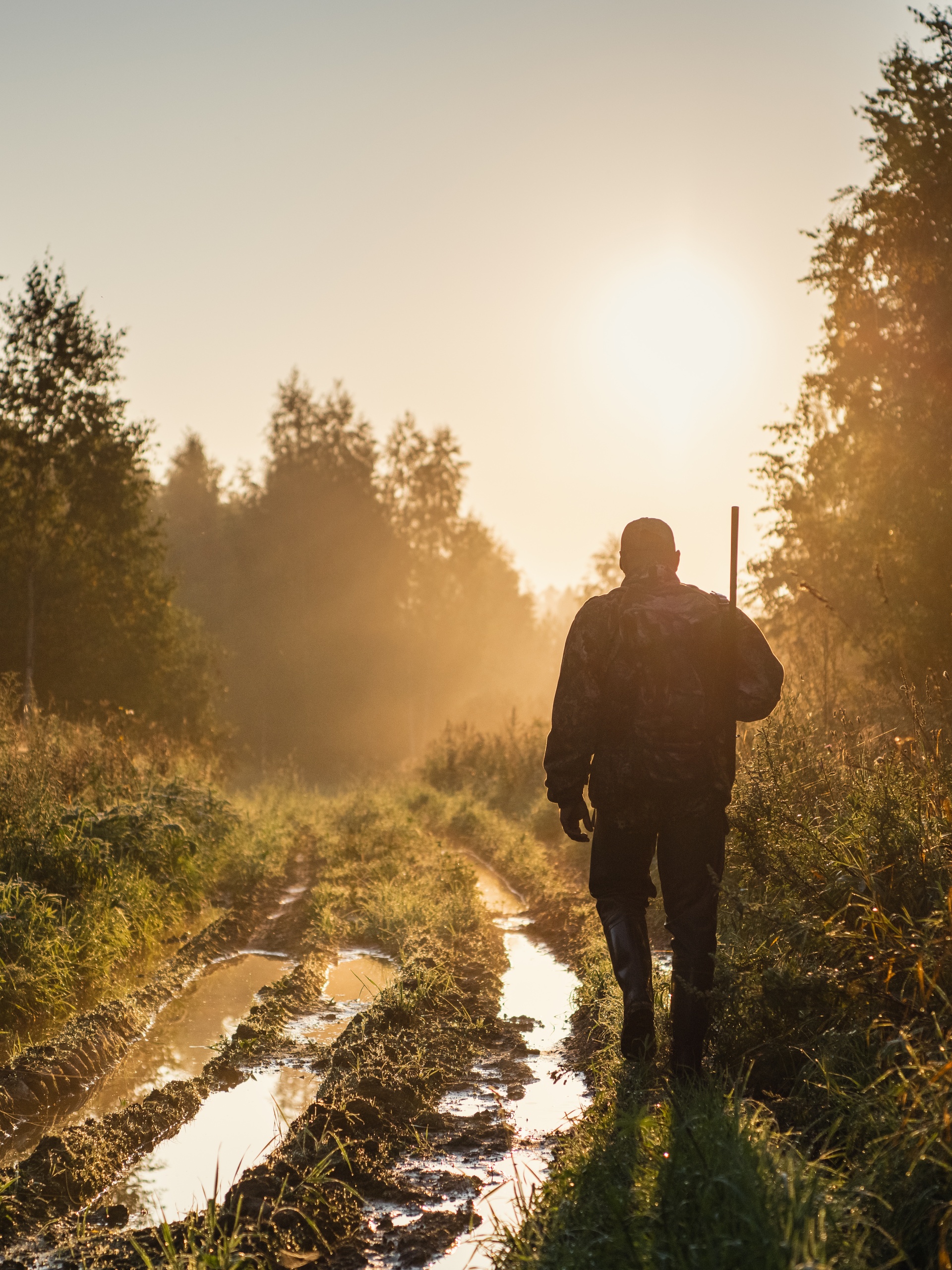
Planning a productive deer hunting trip demands more than time in the field and quality equipment. Serious sportsmen approach each hunt with a structured plan that integrates terrain analysis, gear optimization, and disciplined execution. Every decision, from scouting locations to selecting optics, directly impacts success and efficiency.
Define Objectives and Terrain
Start by defining clear objectives for your deer-hunting trip based on the season, which includes tag type and target class. Evaluate terrain to identify bedding areas, travel corridors, and feeding zones.
Select locations that align with prevailing wind patterns and access routes that minimize disturbance. Build a structured plan that accounts for where you will be at all times during the hunt, including stand placement and exit strategies.
Optimize Firearms and Optics
Choose a firearm platform that matches expected engagement distances and terrain constraints. Pair your rifle with high-quality optics that deliver reliable light transmission and repeatable adjustments.
Zero your system at a verified distance and confirm ballistic data through range validation sessions. Maintain strict control over ammunition selection, lot consistency, and environmental variables that influence trajectory.
Gear Preparation and Logistics
Prepare gear with a focus on durability, weight efficiency, and functional integration. Pack essential items that support your time in the field without overloading your system. Organize your kit so each component supports mission flow and reduces time spent searching for equipment.
- Rangefinder with angle compensation
- Wind meter and ballistic app
- Field dressing kit with replaceable blades
- GPS device with offline mapping
- High-lumen headlamp with spare batteries
Scouting and Patterning Deer
Conduct preseason and in-season scouting to establish reliable movement patterns. Deploy trail cameras strategically to monitor travel routes and confirm activity windows. Analyze signs such as tracks and scrapes to refine stand placement decisions. Adjust your plan continuously as deer respond to environmental changes.
Safety and Field Discipline
Maintain strict adherence to firearm safety protocols throughout the hunt. Understand how to dress for a safe deer-hunting season by selecting blaze-orange garments that meet regulatory requirements while preserving mobility.
Control muzzle direction, trigger discipline, and target identification at all times. Communicate clearly with hunting partners to prevent unsafe overlaps in shooting lanes.
Execution and Shot Strategy
Execute your plan with discipline by entering stands quietly and managing scent exposure. Position yourself for stable shooting angles that maximize ethical shot placement. Track and recover game efficiently by marking shot location and analyzing blood trails with methodical precision.
Conducting a Productive Deer Hunting Trip
A productive deer hunting trip results from disciplined preparation, informed decision-making, and precise execution in the field. Hunters who invest time in planning for environmental factors gain a measurable advantage.
Consistency in safety practices and shot discipline ensures both ethical outcomes and long-term success. Approach each hunt with a technical mindset, and you will improve both efficiency and overall performance season after season.

Casey Cartwright
Latest posts by Casey Cartwright (see all)
- How To Build the Ultimate Private Hunting Property – October 1, 2026
- Building a Practical Setup for Hunting & Outdoor Recreation – October 1, 2026
- How To Maintain a Trailer for Hunting Season – October 1, 2026

Leave a Reply