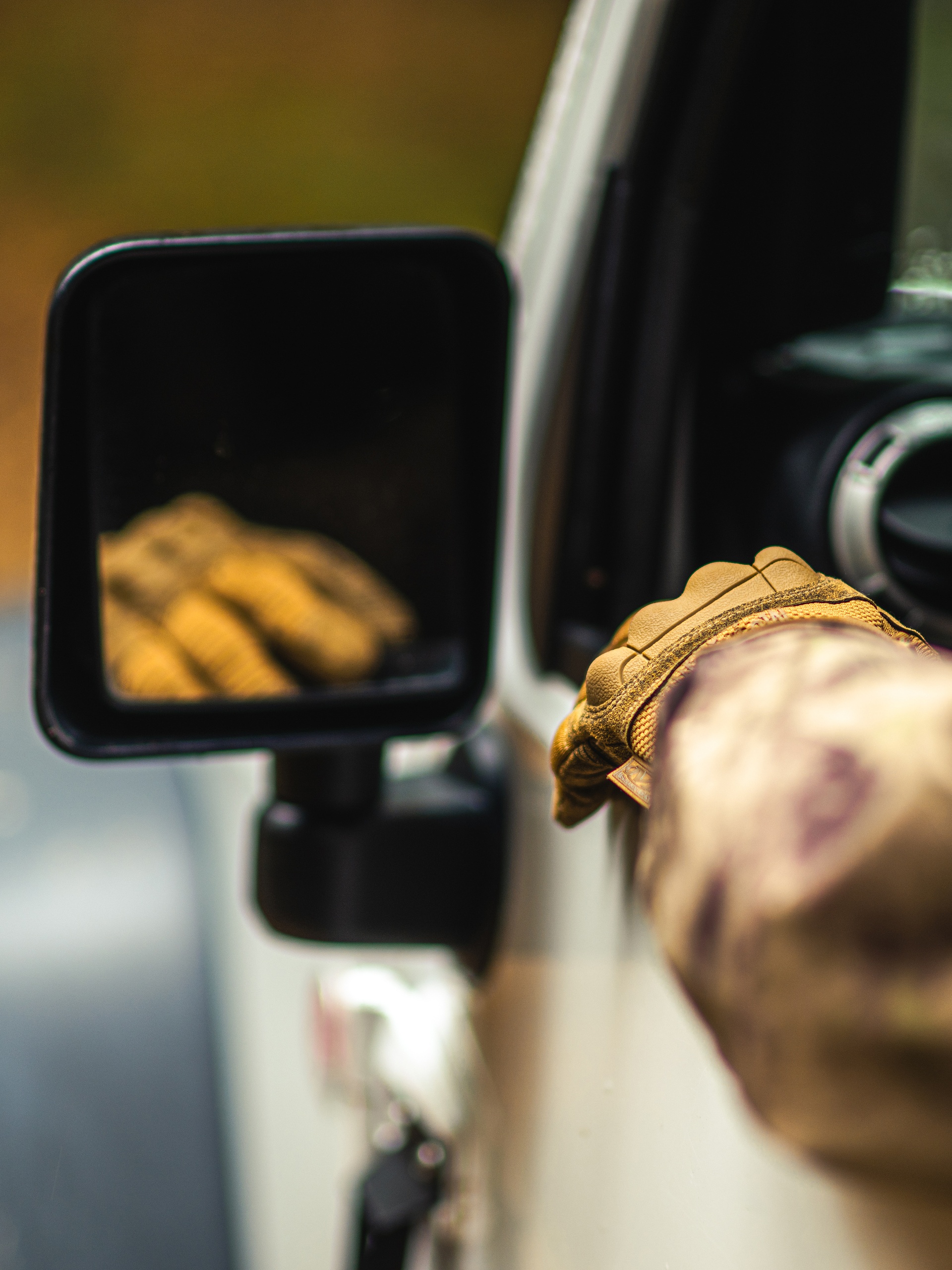
A successful hunt starts long before you step into the field. When you’re far from the nearest town, a mechanical issue can quickly become more than an inconvenience. Choosing the right engine for remote hunts helps reduce risks and gives you greater confidence when the road disappears behind you.
Why Engine Choice Matters
Remote hunting trips put unique stress on a truck or SUV because they combine long-distance travel with varying terrain and changing weather. An engine that performs well during a daily commute may not deliver the same experience when it faces steep grades, extended highway miles, and heavy loads. The right setup supports reliability and consistency throughout the entire trip.
Gasoline Engines and Accessibility
Gasoline engines appeal to many sportsmen because they offer straightforward ownership and broad service availability. If something goes wrong during travel, you’ll likely find a repair facility capable of working on a gas-powered vehicle without much difficulty.
Modern gasoline engines also provide strong performance and responsive acceleration. Drivers who hunt several times a year and spend most of their time on paved roads may find that a gas-powered truck meets their needs without adding unnecessary complexity.
The decision becomes more important as travel distances increase and hunting locations become more isolated.
Diesel Advantages in Remote Areas
Diesel engines have earned a strong reputation among hunters who regularly venture deep into remote territory. Their ability to generate substantial torque helps when towing trailers, hauling equipment, or climbing challenging terrain.
Fuel efficiency also becomes a meaningful factor during extended trips. Greater driving range can reduce the number of fuel stops required before reaching camp. When comparing powertrain options, many hunters spend time reviewing the main differences between gas and diesel engines because engine characteristics directly affect real-world performance in the field.
Several factors deserve careful consideration before deciding:
- Typical travel distance
- Equipment and trailer weight
- Terrain conditions
- Fuel availability
- Long-term maintenance costs
Each factor influences which engine aligns best with your hunting style.
Reliability Beyond Specifications
Specifications look impressive on paper, but reliability becomes personal when you’re miles from assistance. A dependable engine starts consistently, handles environmental challenges, and maintains performance throughout demanding trips.
Cold weather presents a good example. Late-season hunts can expose vehicles to freezing temperatures and difficult starting conditions. Understanding how your chosen engine behaves in those situations allows you to prepare appropriately before departure.
The best engine isn’t always the one with the highest output. It’s the one that matches your actual use and performs predictably when conditions become less forgiving.
Match Your Hunting Style
Finding the right engine for remote hunts comes down to understanding where you go and how you use your vehicle. A thoughtful decision today can improve every trip that follows. When your focus remains on the hunt instead of mechanical uncertainty, you’ll spend more time enjoying the experience and less time worrying about the road ahead.

Casey Cartwright
Latest posts by Casey Cartwright (see all)
- How To Build the Ultimate Private Hunting Property – October 1, 2026
- Building a Practical Setup for Hunting & Outdoor Recreation – October 1, 2026
- How To Maintain a Trailer for Hunting Season – October 1, 2026

Leave a Reply