Quality work gear performs best when it receives regular care instead of occasional attention. Dirt, moisture, sweat, and debris can shorten the lifespan of protective equipment after shifts. Developing a simple maintenance routine keeps gear comfortable, dependable, and ready for the next job or range session.
A few minutes of care today can prevent unnecessary replacements tomorrow. Explore which work gear requires a little TLC after each shift.
Clean Equipment Before Storing It
Many people toss work gear into a locker, truck, or garage without thinking twice. Dust, mud, metal shavings, and other debris continue wearing down materials long after the workday ends. Wiping equipment clean before storage can preserve performance and appearance. Dry gear also resists odors and unnecessary deterioration.
Furthermore, storage conditions matter just as much as cleaning. Cool, dry spaces prevent moisture damage and material breakdown. Hanging garments instead of cramming them into bags allows fabrics to breathe between uses. Good storage habits extend the life of nearly every piece of equipment.
Inspect for Wear Before Problems Grow
Small signs of damage rarely stay small for long. Loose stitching, worn straps, cracked buckles, and thinning materials deserve immediate attention before they compromise performance. Regular inspections can identify issues while repairs remain simple and affordable. Consistent checks also reduce the chance of equipment failure during demanding tasks.
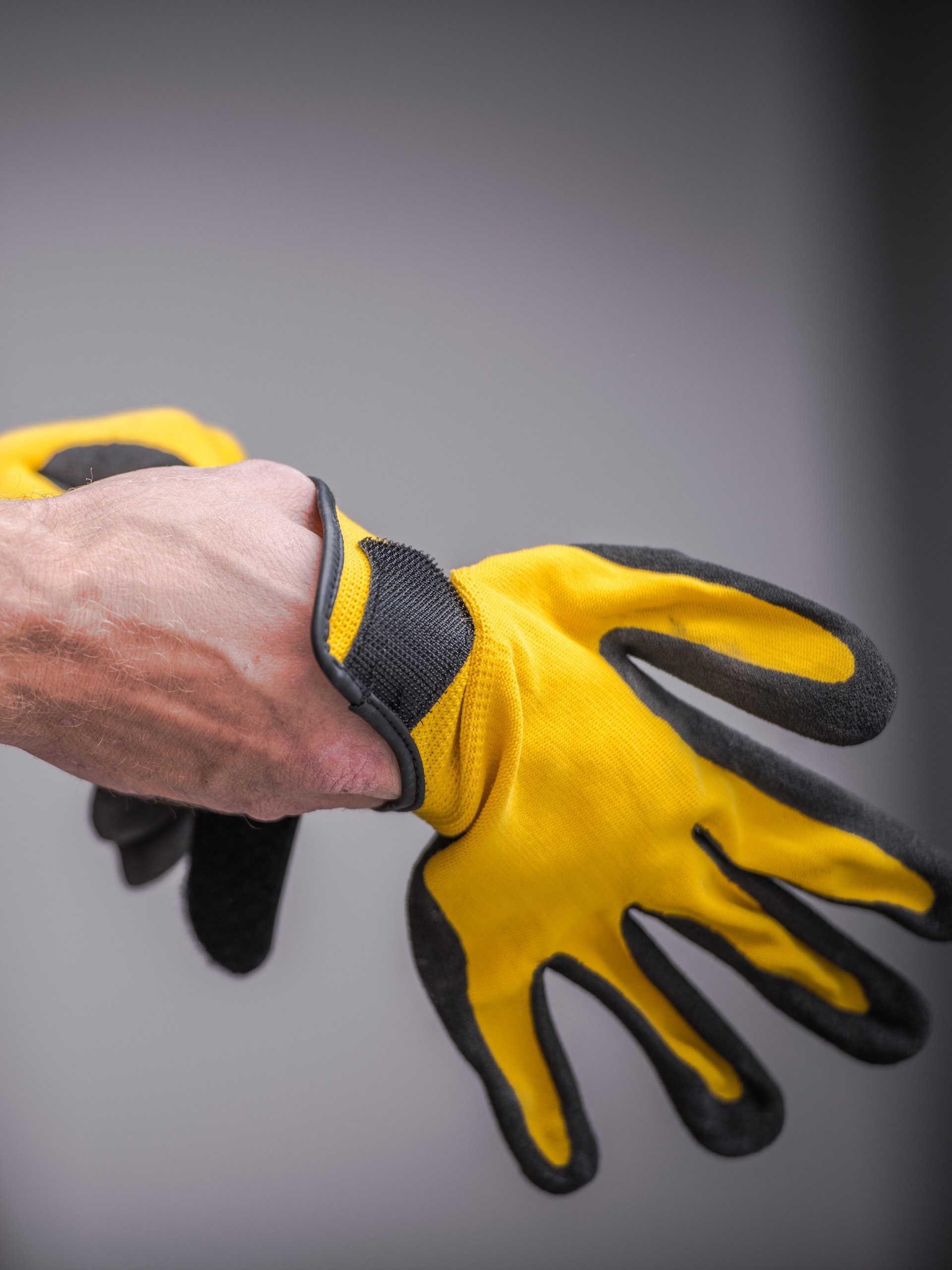
Protective gloves deserve special attention because they experience constant abrasion throughout the day. Many workers find that maintaining leather palm gloves with routine cleaning and proper drying preserves flexibility and grip strength. Leather conditioners designed for work gloves can also reduce cracking over time. Well-maintained gloves deliver more reliable protection and comfort.
Keep Metal Components Protected
Many pieces of work equipment include metal hardware that benefits from routine care. Buckles, fasteners, tools, and accessories can develop corrosion if moisture remains on their surfaces after a shift. Wiping these components dry before placing them in storage can preserve their strength and appearance. Regular maintenance also keeps moving parts functioning smoothly.
People who spend time around outdoor environments or humid conditions should pay even closer attention. Salt, sweat, and changing temperatures accelerate corrosion on exposed metal. Simple preventive maintenance reduces long-term wear without adding much time to your routine. Consistency always beats occasional deep cleaning.
Build a Reliable End-of-Shift Routine
A repeatable routine makes equipment care easier to remember. Instead of waiting until problems appear, perform a few quick maintenance steps before calling it a day. These small habits quickly become second nature.
A practical routine often includes the following steps:
- Remove dirt and debris from every piece of gear.
- Allow damp equipment to dry completely.
- Inspect straps, seams, and fasteners for damage.
- Store equipment in a clean, dry location.
- Replace worn components before the next use.
Reliable equipment supports confidence during every task. Whether you spend the day working outdoors, training at the range, or handling demanding projects, dependable gear helps you stay focused on the job. Good work gear maintenance habits require very little effort but produce lasting results. Treating your equipment with consistent TLC ensures it remains ready whenever you need it.

Casey Cartwright
Latest posts by Casey Cartwright (see all)
- Classic Civilian vs. Military Jeeps: Key Differences – October 23, 2026
- The Risks of Remote Shooting Trips and How To Prepare – October 22, 2026
- Truck Maintenance Mistakes That Can Ruin a Hunt – October 21, 2026

Leave a Reply