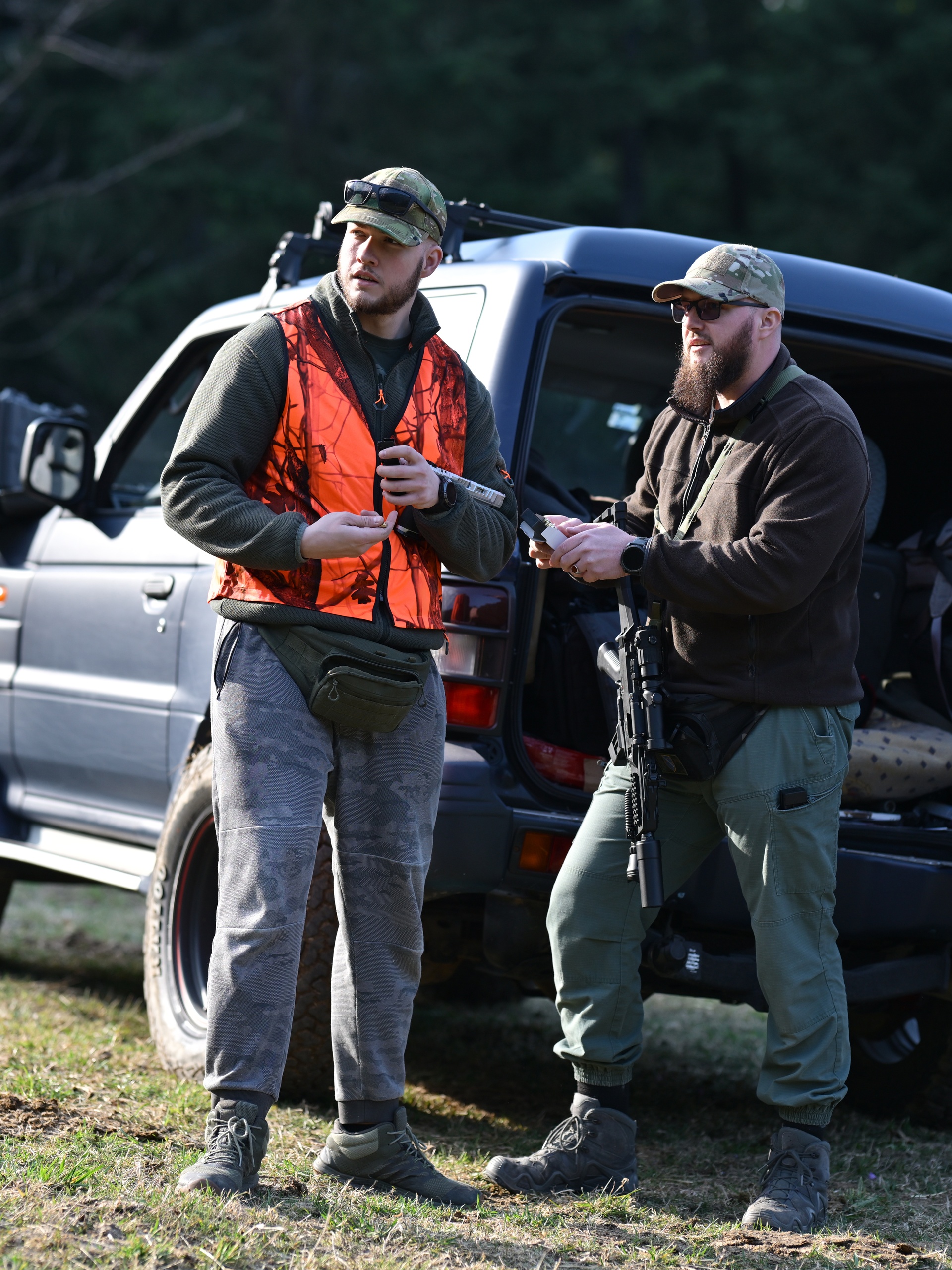
To get to the expansive terrain and opportunities to practice your hunting skills, you need to get ready for the trip. Traveling to isolated areas introduces risks that deserve consideration, especially when access roads challenge vehicle performance or emergency services aren’t readily available. A mechanical breakdown, sudden weather shift, or equipment problem could quickly disrupt an otherwise enjoyable outing. Recognizing the risks of remote shooting trips helps firearm enthusiasts prepare for these conditions and approach each excursion with appropriate precautions.
Rough Terrain and Vehicle Damage
Reaching an outdoor shooting location sometimes involves navigating gravel roads, deep ruts, or uneven trails that place considerable stress on a vehicle. Trucks and SUVs generally handle demanding terrain well when properly equipped, but repeated exposure to rough surfaces still contributes to mechanical wear. Drivers who underestimate road conditions risk damaging components that affect handling and vehicle reliability.
Suspension and Undercarriage Damage
Deep potholes and uneven surfaces force suspension components to absorb repeated impacts. When a wheel drops into a rut or strikes exposed rock, the sudden movement puts pressure on shocks, control arms, and mounting points. Consequently, drivers might notice severe vibrations or steering problems after traveling across particularly rough terrain.
Low ground clearance introduces additional concerns because rocks and other obstacles could strike the undercarriage. Before entering an unfamiliar trail, assess visible obstacles and determine whether the vehicle has adequate clearance.
Driveline Stress on Uneven Roads
Traveling across irregular surfaces places additional demands on the drivetrain, especially when traction varies between wheels. Sharp impacts and excessive driveline angles can strain universal joints and related components.
Inspecting joints, boots, and visible connections before departure identifies potential problems. Additionally, preventing driveline failures before they start involves recognizing unusual vibrations and addressing mechanical concerns before traveling exposes existing weaknesses.
Mechanical Breakdowns Far From Assistance
A breakdown becomes particularly troublesome when the closest repair facility sits miles from the shooting location. Remote access roads occasionally lack regular traffic, leaving motorists with limited opportunities to request assistance. Since towing services don’t necessarily operate on unimproved trails, mechanical reliability deserves careful consideration during trip preparation.
Warning Signs Before Departure
Pay attention to unusual noises, delayed gear engagement, fluid leaks, and persistent dashboard warnings. Each symptom points toward a potential mechanical problem that warrants inspection before an extended trip. Ignoring these issues introduces unnecessary uncertainty, especially when the route includes steep grades or prolonged driving.
Checking tire condition is the next step. Make sure that the tread surfaces and sidewalls don’t have any punctures or extreme wear. Then, ensure that the tire pressure level meets the manufacturer’s recommendations. A properly maintained spare tire and compatible tire-changing equipment provide additional protection against roadside complications.
Preparing for Vehicle Recovery
Even a mechanically sound vehicle could become immobilized in mud or loose gravel. Before departure, make a note of accessible roads. Determine whether the route includes sections unsuitable for the vehicle’s capabilities.
Vehicle recovery equipment must match the intended application, and improper attachment points could cause serious injuries. If professional recovery becomes necessary, accurate location information and a reliable communication method will help coordinate assistance.
Excessive Heat and Vehicle Overheating
Extended travel in hot weather presents mechanical challenges, particularly when vehicles climb steep grades or navigate demanding terrain at low speeds. Under these conditions, engines and transmissions generate heat that cooling systems must dissipate. Restricted airflow, heavy loads, and prolonged operation under high demand could contribute to elevated operating temperatures.
Transmission Temperature Concerns
Automatic transmissions rely on fluid to lubricate internal components and manage operating temperatures. Excessive heat accelerates fluid deterioration, potentially affecting transmission performance and component longevity.
Drivers traveling through demanding terrain should monitor available temperature gauges and respond promptly to overheating warnings. Vehicle-specific maintenance schedules and manufacturer recommendations help determine whether the cooling system requires attention before departure. If overheating occurs, stop in a suitable location and allow the vehicle to cool according to its owner’s manual.
Limited Communication and Emergency Response
Cellular coverage becomes unreliable in mountainous regions, wooded areas, and isolated shooting locations. Consequently, participants who encounter injuries or mechanical emergencies could struggle to contact assistance. Depending entirely on a smartphone introduces unnecessary risk when the nearest populated area is beyond reception.
Share the destination, intended route, and expected return time with someone who isn’t tagging along for the trip. Downloading offline maps helps preserve navigation information when cellular data disappears.
Satellite communication devices provide another option in locations without cellular coverage, provided the equipment has appropriate service and access to satellite signals. Participants should familiarize themselves with emergency features before departure. Knowing the closest accessible road and maintaining accurate coordinates could prove valuable when communicating with response personnel.
Firearm Security During Transport
Traveling with firearms introduces responsibilities that deserve attention throughout the journey. Vehicle movement, unauthorized access, and inconsistent transportation regulations present concerns that participants must address before reaching the shooting location.
Unloaded firearms should travel in appropriate, secured cases, with ammunition stored according to applicable laws. Lockable storage helps restrict unauthorized access and limits unnecessary handling during transportation.
Regulations vary by jurisdiction, particularly regarding vehicle storage and firearm accessibility. Before crossing state boundaries, review the relevant transportation requirements and confirm the destination’s rules.
Environmental Hazards
Outdoor shooting activities expose participants to environmental conditions that controlled indoor facilities largely eliminate. High temperatures, severe storms, and rugged terrain introduce hazards.
Heat Exposure and Dehydration
Direct sunlight and sustained physical activity increase the risk of dehydration and heat-related illness. Warning signs include dizziness, headache, nausea, and excessive fatigue. Heat exhaustion can progress into a medical emergency without prompt intervention.
Bring sufficient drinking water, identify shaded rest areas, and schedule breaks throughout the outing. Lightweight clothing appropriate to the conditions helps manage sun exposure, and participants must take worsening symptoms seriously. Confusion, collapse, or suspected heatstroke warrants immediate emergency assistance.
Sudden Weather Conditions
Weather conditions could deteriorate rapidly in exposed outdoor areas. Thunderstorms introduce lightning hazards, and rainfall may turn previously accessible dirt roads into difficult routes.
Review forecasts before departure and remain attentive to developing weather conditions. If thunderstorms approach, suspend shooting activities and seek appropriate shelter. Avoid attempting flooded crossings or unfamiliar terrain when visibility and traction deteriorate.
Prepare for Safe Travels
Remote shooting trips offer opportunities to enjoy target practice and outdoor recreation, but isolated locations introduce challenges that require careful preparation. Recognizing the risks of remote shooting trips reinforces the importance of vehicle reliability, responsible firearm handling, and personal safety. With these considerations in mind, shooting enthusiasts can approach their excursions responsibly and enjoy their time at the range without overlooking potential hazards.

Casey Cartwright
Latest posts by Casey Cartwright (see all)
- The Risks of Remote Shooting Trips and How To Prepare – October 22, 2026
- Truck Maintenance Mistakes That Can Ruin a Hunt – October 21, 2026
- Types of Gun Holsters Available for Concealed Carry – October 20, 2026

Leave a Reply