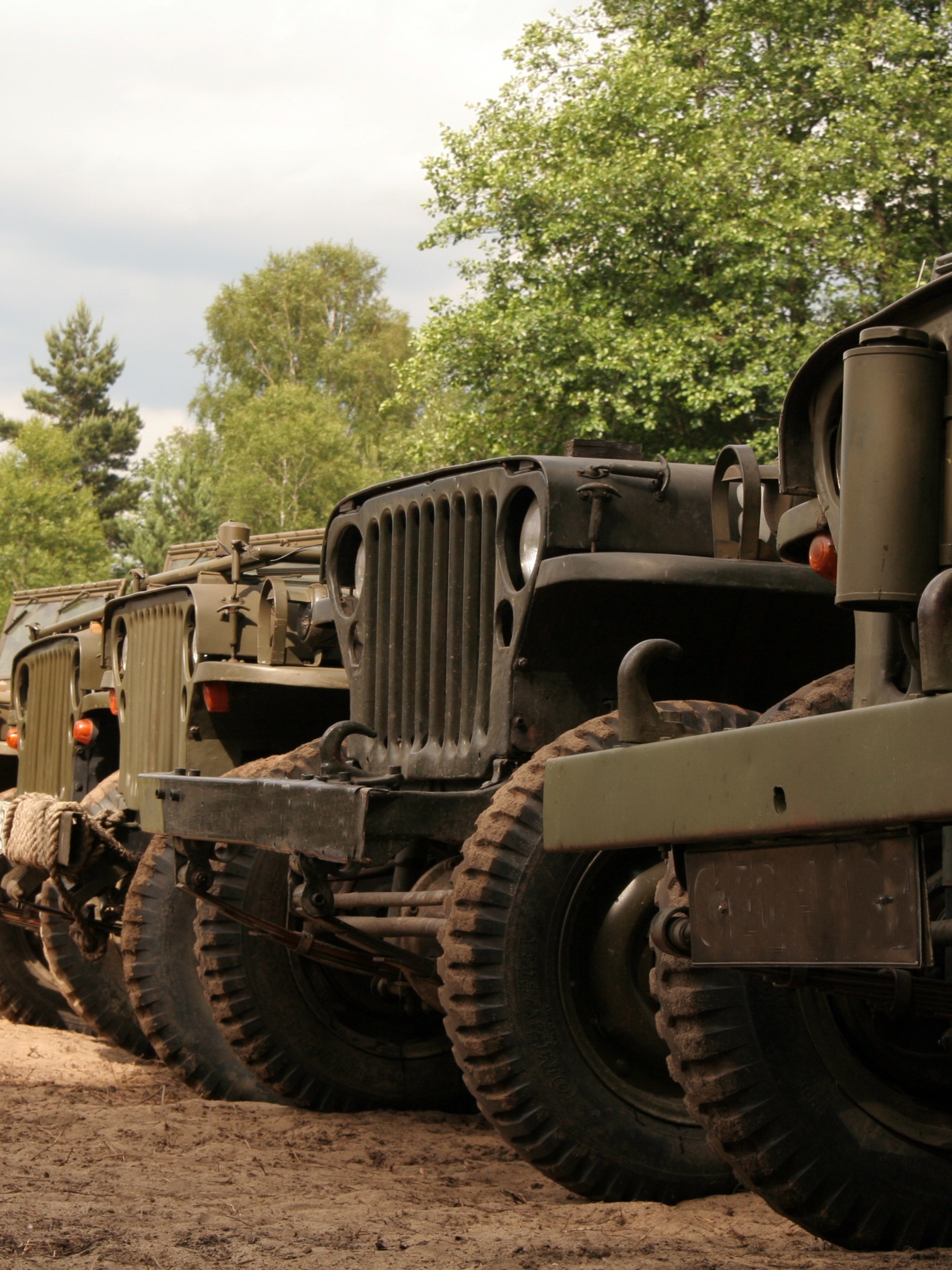
Few vehicles have earned the reputation of the classic Jeep. Originally developed for military operations, these compact four-wheel-drive vehicles eventually became popular among farmers and outdoor enthusiasts. Their simple engineering and rugged construction continue to attract collectors today.
Early civilian Jeeps shared much of their military predecessors’ mechanical foundation. However, manufacturers introduced changes to accommodate agricultural work and recreational driving. Understanding these differences helps enthusiasts evaluate performance, maintenance requirements, and historical authenticity.
Different Origins and Intended Purposes
Military and civilian Jeeps emerged from different operating requirements. Their intended applications influenced everything from equipment choices to body design. These priorities explain why two vehicles with similar appearances can offer different ownership experiences.
Military Jeeps: Built for Wartime Demands
During World War II, the U.S. military needed compact vehicles capable of transporting personnel and equipment across difficult terrain. The Willys MB and Ford GPW delivered dependable mobility through lightweight construction and four-wheel-drive systems. Straightforward mechanical components also simplified battlefield maintenance.
Military planners prioritized durability over comfort. Basic interiors and accessible mechanical systems allowed crews to perform repairs under challenging conditions. Component standardization also helped streamline maintenance and replacement-part distribution.
Civilian Jeeps: A New Purpose
In 1945, Willys-Overland introduced the CJ-2A to bring Jeep capability into civilian markets. Farmers needed vehicles capable of navigating uneven fields and supporting agricultural equipment. Rural property owners appreciated similar advantages.
The CJ-2A retained much of the original platform but introduced practical changes for everyday work. Improved cargo access and optional agricultural equipment expanded its usefulness beyond transportation. These modifications helped establish the Jeep as a dependable utility vehicle.
Exterior Design and Body Differences
Military and civilian Jeeps share familiar styling, including upright windshields and flat fenders. Still, several exterior details distinguish early production models. Recognizing these differences helps enthusiasts identify vehicles and evaluate restoration accuracy.
Grilles, Headlights, and Windshields
The wartime Willys MB featured a nine-slot grille with small, recessed headlights. The CJ-2A adopted a seven-slot grille with larger headlights positioned farther outward. These differences help collectors identify individual models.
Both vehicles featured folding windshields, although hardware configurations and dimensions varied. Examining these details can help establish whether restoration components match the vehicle’s original specifications. Replacement parts should correspond to the correct model and production period.
Tailgates and Spare Tire Placement
Military MB and GPW models featured fixed rear body panels and rear-mounted spare tires. This arrangement met military requirements but made cargo loading less convenient. Owners generally had to lift equipment over the rear panel.
The CJ-2A introduced an opening tailgate and moved the spare tire to the right rear quarter panel. These modifications simplified loading tools, camping equipment, and agricultural supplies. The improved cargo access made civilian Jeeps more practical for everyday work.
Engine, Transmission, and Drivetrain Differences
Mechanical specifications also reveal important distinctions when comparing civilian and military Jeeps. Manufacturers adapted drivetrain components to support different operating requirements. Those changes still influence restoration and parts compatibility.
Engine Characteristics
The Willys MB and early CJ-2A both used versions of the 134-cubic-inch Go-Devil four-cylinder engine. Its L-head design delivered useful low-speed torque through straightforward mechanical construction. The engine emphasized dependable operation rather than horsepower.
The CJ-2A retained the Go Devil engine but introduced improvements to supporting systems, including cooling and clutch components. These changes helped accommodate agricultural work without fundamentally altering the engine’s design. Both models still offered modest performance compared with modern vehicles.
Transmissions and Gear Ratios
Wartime MB and GPW Jeeps generally used the three-speed T-84 transmission. The CJ-2A adopted the stronger three-speed T-90 gearbox. Different internal components make correct transmission identification essential when selecting replacement parts.
The CJ-2A featured revised transmission and transfer-case gear ratios to support low-speed hauling and regular road travel. These changes improved pulling capability and helped owners handle agricultural tasks. The updated drivetrain also provided greater versatility for civilian transportation.
Over time, aging transmissions can develop grinding noises, shifting difficulties, or problems staying in gear. Therefore, the process of repairing Army Jeep transmission issues begins with identifying potential causes before attempting major repairs. Checking clutch operation and lubricant condition can also reveal problems affecting gearbox performance.
Off-Road Performance and Handling
Both Jeep types offer impressive off-road capability for their era. Even so, military mobility requirements and civilian utility needs produced different driving characteristics. These distinctions become especially noticeable when evaluating suspension performance and recreational applications.
Military Models: Compact and Capable
Military Jeeps benefited from short wheelbases and relatively low weight. Their compact dimensions helped drivers navigate narrow trails and uneven terrain. Four-wheel drive improved traction under demanding conditions.
In contrast, basic suspension systems prioritized durability over ride comfort. Limited weather protection and outdated braking technology also require additional caution during modern recreational driving. Drivers should account for these limitations when planning off-road trips.
Civilian Models: Greater Utility
The civilian vs. military Jeeps comparison becomes particularly useful when evaluating recreational applications. The CJ-2A retained the military Jeep’s basic off-road capabilities but featured improved springs, shock absorbers, and seating. These changes made the civilian model more comfortable during agricultural work and regular driving.
Hunters and rural property owners appreciated the CJ-2A’s compact dimensions and ability to access remote areas. Its maneuverability made it practical for navigating wooded trails and uneven property roads. That said, tire condition and proper maintenance remain essential for reliable off-road performance.
Interior Features and Everyday Practicality
Military Jeep interiors emphasized function. Basic seating and exposed metal surfaces simplified cleaning and maintenance. Comfort received little attention because operational requirements took priority.
Civilian Jeeps gradually introduced equipment that improved daily usability. The CJ-2A offered optional heaters and canvas tops, making it more adaptable to changing conditions. These additions provided greater convenience for drivers using their vehicles throughout the year.
Neither version matches modern vehicle comfort or safety standards. Drivers should expect considerable noise, limited weather protection, and relatively basic handling. Thorough mechanical inspections remain important before regular road use.
Restoration, Parts, and Collectible Value
Restoring a classic Jeep requires careful attention to originality and mechanical condition. Military collectors may prioritize wartime specifications, whereas civilian enthusiasts may focus on preserving agricultural features or improving reliability. Individual restoration goals determine which modifications make sense.
Decades of repairs can complicate identification. Previous owners may have installed different engines or combined components from multiple model years. Buyers should examine identification details and mechanical configurations before purchasing.
A thorough pre-purchase inspection should address several important mechanical and structural areas. Careful evaluation can help identify potential repair costs before ownership changes hands. Buyers should pay particular attention to the following components:
- Inspect frame rails and body panels for rust or structural repairs.
- Verify engine and transmission identification.
- Test the transfer case and four-wheel-drive system.
- Examine brake lines, steering components, and suspension hardware.
- Review available documentation to confirm vehicle history.
Originality can influence collector interest, particularly for historically significant military vehicles. However, a mechanically sound civilian Jeep may better suit someone planning regular recreational use. Intended use should determine restoration priorities.
Which Classic Jeep Makes More Sense?
Military Jeeps appeal to collectors interested in wartime engineering and historical preservation. Their original configurations offer a direct connection to military transportation history. Maintaining authenticity may require specialized knowledge and careful parts selection.
Civilian Jeeps provide practical advantages for property maintenance and recreational driving. Their utility-focused modifications can make them more convenient for owners who prioritize functionality over strict historical accuracy. These features may also appeal to enthusiasts seeking a vehicle for occasional outdoor use.
Ultimately, mechanical condition and intended use should guide the decision. Both versions demonstrate how durable engineering helped establish the Jeep’s enduring reputation. For outdoor enthusiasts and collectors, either platform offers a distinctive ownership experience.

Casey Cartwright
Latest posts by Casey Cartwright (see all)
- Classic Civilian vs. Military Jeeps: Key Differences – October 23, 2026
- The Risks of Remote Shooting Trips and How To Prepare – October 22, 2026
- Truck Maintenance Mistakes That Can Ruin a Hunt – October 21, 2026

Leave a Reply