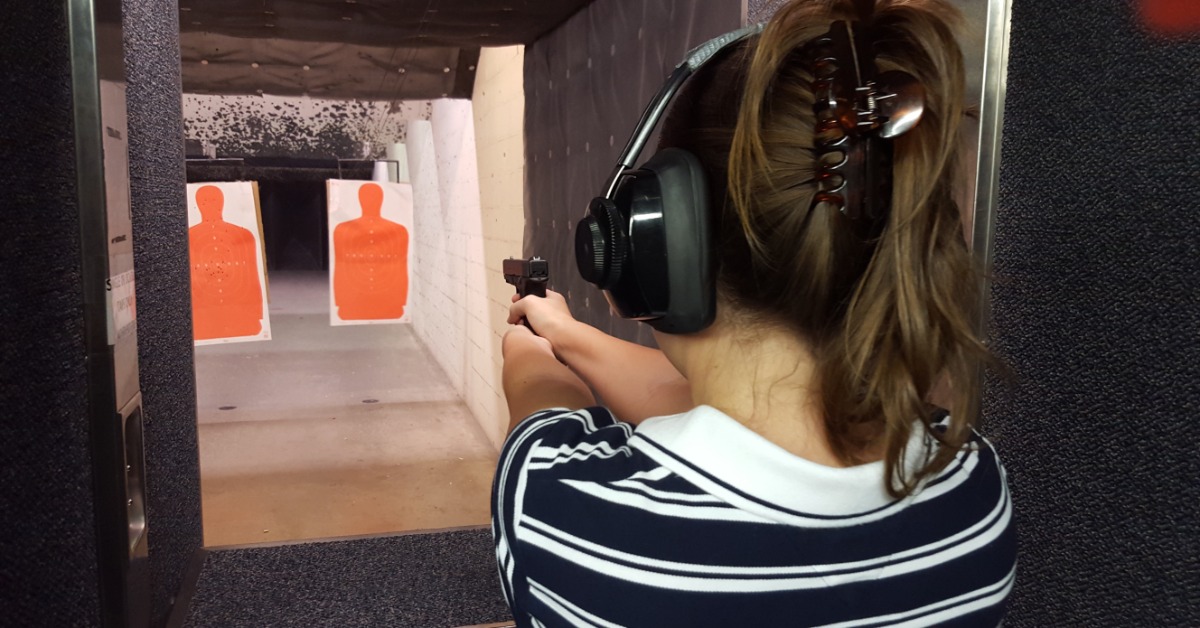
Clear visibility of the shooting target should never depend on where someone stands within a lane. Uneven brightness, harsh glare, and weak downrange illumination explain why shooting ranges need better lighting plans long before fixture failures force an upgrade. A properly engineered layout supports accurate sight alignment and allows staff to monitor activity with fewer visual obstructions. When lighting matches the range’s physical demands, the entire facility operates with greater control.
Visibility Must Stay Consistent Across the Lane
Light levels should remain steady from the firing line toward the target area. Sharp changes in brightness force the eyes to readjust, which reduces visual comfort and slows target acquisition. A balanced layout limits glare near the shooter and preserves enough illumination downrange. As a result, consistent light yields cleaner sightlines without overwhelming the space with excessive brightness.
Glare Control Protects Accuracy
Reflective surfaces produce distracting hotspots when fixtures are placed at poor angles. Instead, fixtures should direct light where it is needed without shining into a shooter’s line of sight. Shielding and beam control play a major role in reducing reflections from lane dividers and protective materials. Careful placement keeps visual focus on the target rather than the ceiling or walls.
Fixture Selection Should Match the Environment
Range lighting must withstand dust, vibration, and frequent operation. Standard fixtures might not provide the durability or control required in a demanding indoor facility. Purpose-built commercial lighting offers greater flexibility for beam spread and mounting while supporting long-term maintenance planning. Choosing the right equipment early reduces the likelihood of costly retrofits after the range is already operating.
Maintenance Access Affects Downtime
A lighting plan should account for how fixtures will be inspected and replaced. Hard-to-reach locations lead to longer service interruptions and increased labor demands. In contrast, accessible mounting positions simplify routine work without compromising coverage. Planning for maintenance from the start allows the range to stay operational with fewer disruptions.
Better Lighting Supports Better Range Management
Lighting influences how staff monitor activity and respond to problems. Clear sightlines make unsafe handling or equipment issues easier to identify before they escalate. Good illumination creates a professional environment that supports confidence in the facility. Ultimately, why shooting ranges need better lighting plans comes down to operational control, dependable visibility, and safer day-to-day performance.

Casey Cartwright
Latest posts by Casey Cartwright (see all)
- Classic Civilian vs. Military Jeeps: Key Differences – October 23, 2026
- The Risks of Remote Shooting Trips and How To Prepare – October 22, 2026
- Truck Maintenance Mistakes That Can Ruin a Hunt – October 21, 2026

Leave a Reply