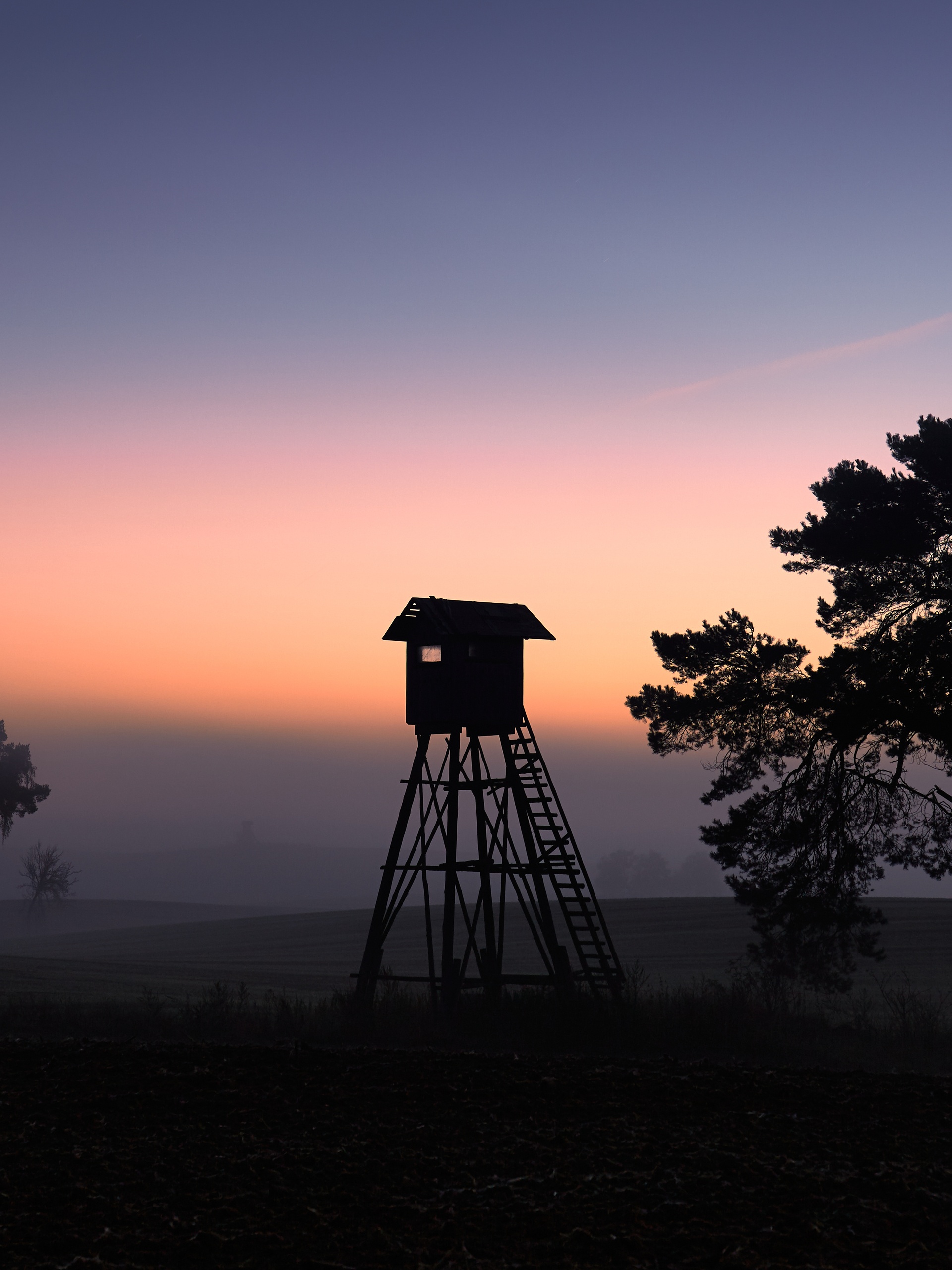
Night hunting introduces new variables that change how you operate in the field. Reduced visibility, shifting animal movement, and heavier reliance on equipment all demand a higher level of awareness.
Knowing what to know before trying night hunting safely helps you stay prepared and make better decisions in low-light conditions.
Know The Laws Before You Go
Each state sets its own rules for night hunting. Regulations cover species, approved equipment, and legal hunting hours. Some states allow artificial lighting, while others restrict its use.
Check current laws before every trip. Regulations can change, and staying compliant keeps your hunt focused and within legal limits.
Choose The Right Optics And Lighting
Standard daytime optics lose effectiveness after sunset. Night vision and thermal devices enable you to detect and identify targets with greater clarity.
Thermal optics detect heat signatures, which help locate animals through brush. Night vision amplifies ambient light, which works better in open areas. Weapon-mounted lights aid identification, but they should be used with care to avoid spooking game or creating unsafe shooting conditions.
Understand Animal Movement At Night
Animal movement changes after dark. Many species become more active once pressure from daytime activity drops.
For example, many hunters focus on hog hunting at night because hogs tend to feed and travel more after dark. Paying attention to those patterns helps you position yourself better and avoid moving more than necessary.
Maintain Situational Awareness
Limited visibility changes how you read your surroundings. Depth perception drops, and obstacles become harder to spot.
Stay Aware Of The Following:
- Your shooting lanes and what lies beyond your target
- Terrain changes that may affect movement
- Nearby hunters or property boundaries
- Sounds that indicate animal movement or hazards
Strong awareness supports better decisions and reduces risk in the field.
Confirm Your Target Before Every Shot
Low-light conditions can distort shapes and movement, making identification challenging. Clear recognition always remains essential.
Use your optics or lighting to verify the species, gauge the distance, and assess the background. A controlled shot not only ensures accuracy but also safeguards you and everyone nearby.
Plan Your Movement In Advance
Navigation becomes more difficult after dark, as trails and landmarks look different without daylight. Before your hunt, thoroughly scout the area to familiarize yourself with the terrain.
Mark entry and exit points clearly using GPS coordinates or physical indicators like ribbons or stakes. Having a well-defined and recognizable route ensures you can move confidently through the area and avoid disorientation.
Build Experience With Controlled Hunts
Night hunting requires practice and familiarity. New hunters benefit from starting in known areas with simple terrain.
Hunting with experienced partners helps build skill and awareness faster. As your confidence improves, you can expand into more challenging environments.
A Safer Approach To Night Hunting
Preparation shapes the outcome of any night hunt. Knowing what to know before trying night hunting safely gives you the structure needed to operate with control and awareness.
The right equipment, a clear understanding of animal behavior, and disciplined decision-making support a safer experience.

Casey Cartwright
Latest posts by Casey Cartwright (see all)
- How To Build the Ultimate Private Hunting Property – October 1, 2026
- Building a Practical Setup for Hunting & Outdoor Recreation – October 1, 2026
- How To Maintain a Trailer for Hunting Season – October 1, 2026

Leave a Reply