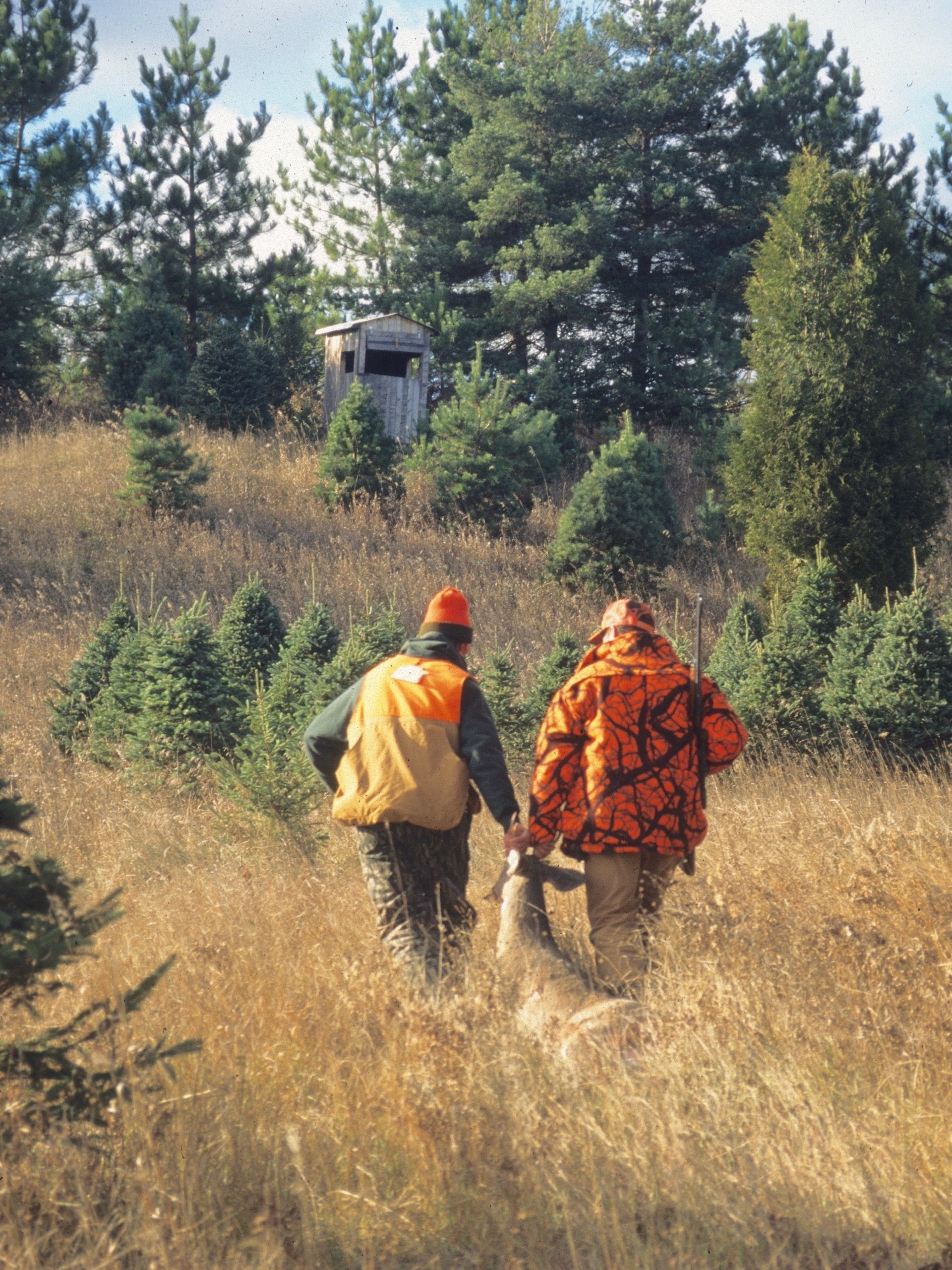
A successful hunt starts long before you settle into a blind or follow a trail. You scan for movement, listen for subtle sounds, and watch the wind, but the ground beneath your boots deserves equal attention. Outdoor terrain can hide ground hazards that slow hunters down, cause injuries, or put you in a dangerous spot when you need steady footing most. Continue reading to explore why hunters should notice ground hazards outdoors.
Uneven Ground Can Break Your Focus
Hunters often move through brush, tall grass, muddy paths, creek beds, and rocky slopes. These areas can hide holes, roots, loose stones, and steep drops. One careless step can twist an ankle or send you crashing to the ground with gear in your hands.
Slow down when visibility drops, especially near dusk or dawn. Use a walking stick if the ground seems unstable. Step over branches rather than pushing through them blindly. A slower pace can protect your footing and keep your attention sharp as you reach your hunting spot.
Hidden Utilities Need Attention
Some hunting areas border rural roads, utility corridors, farms, parks, or private land with access points. In those places, hunters may come across metal plates, grates, drainage covers, or utility lids. Manhole covers cover various types of utilities, so you shouldn’t ignore them just because they look out of place in a wooded or grassy area.
A loose, damaged, or uneven cover can pose a serious trip hazard. It may also indicate nearby underground infrastructure, drainage systems, or service access points. When possible, avoid stepping directly on unfamiliar covers and walk around them safely. Report any damaged covers to the landowner, property manager, or local authority.
Wet Terrain Changes Fast
Rain, frost, snowmelt, and morning dew can turn solid ground into a slick surface. Leaves can hide mud. Rocks can feel stable until your boot slips across them. Creek banks can crumble when you put weight near the edge.
Choose boots with strong traction and check the soles before you head out. Mud packed into the tread can reduce traction. When you cross wet areas, keep your center of gravity low and test each step before shifting your weight. That small habit can prevent a painful fall.
Gear Can Increase Risk
A heavy pack, firearm, bow, or climbing gear can throw off your balance. When you step over logs or descend, that extra weight can pull you forward or sideways. Secure loose straps and keep your hands as free as possible when traveling through rough terrain.
If you use a tree stand, inspect the ground around the base before climbing. Look for holes, slick leaves, roots, and debris. A safe climb starts with a stable footing.
Stay Alert From Start to Finish
Ground hazards can appear anywhere outdoors, and hunters need to pay attention. Hunters who notice the terrain protect their mobility, their gear, and their focus. Take each step with purpose, watch for hidden risks, and respect every surface you cross. A careful hunter doesn’t just look ahead. They look down, move smarter, and make it home safely.

Casey Cartwright
Latest posts by Casey Cartwright (see all)
- How To Build the Ultimate Private Hunting Property – October 1, 2026
- Building a Practical Setup for Hunting & Outdoor Recreation – October 1, 2026
- How To Maintain a Trailer for Hunting Season – October 1, 2026

Leave a Reply