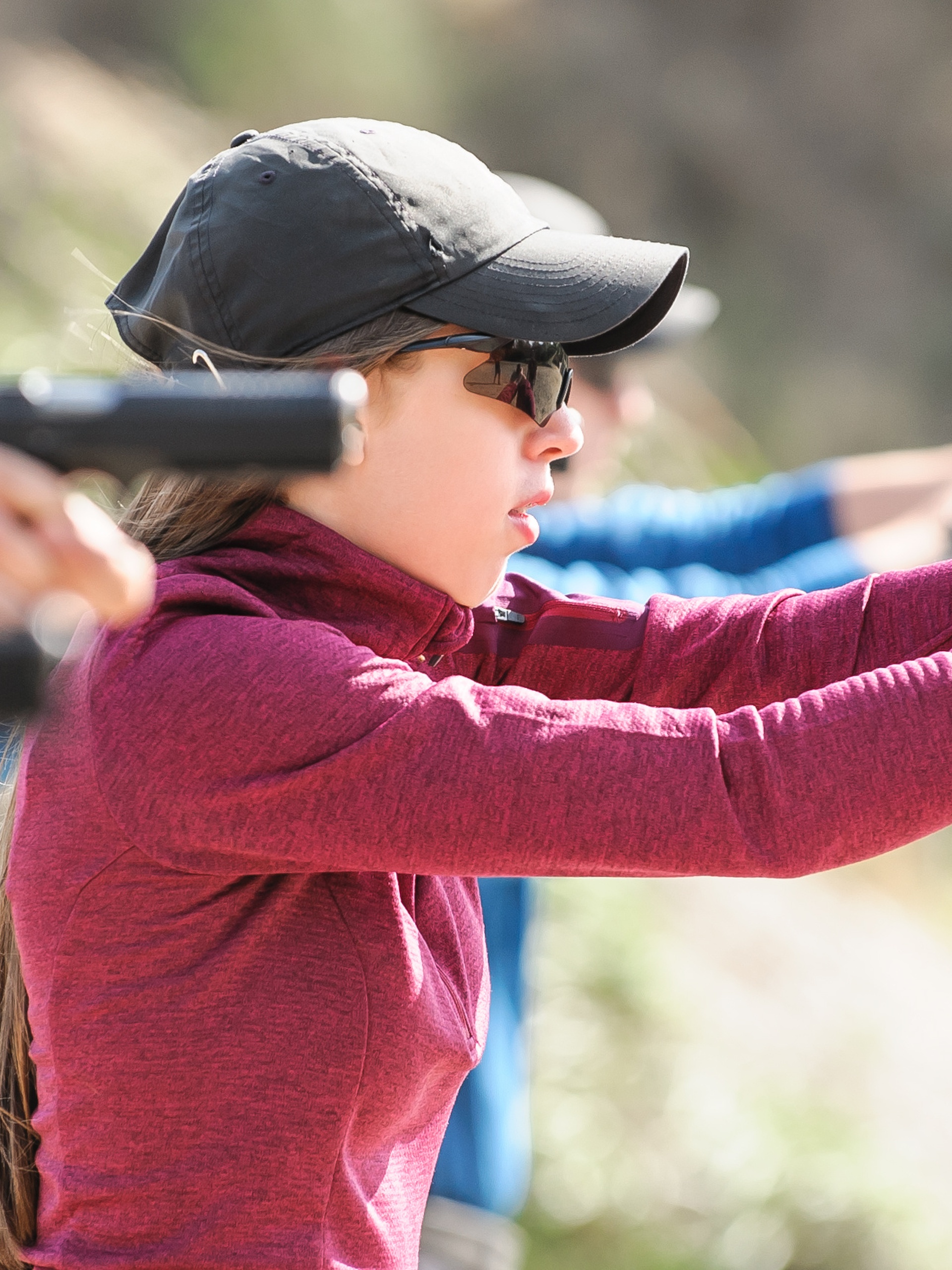
Many firearm users experience hearing loss when shooting, but the right knowledge and habits can prevent most cases. Time at the range, regular training sessions, and hunting trips all expose you to repeated gunfire, which can damage your hearing over time. Many shooters don’t notice the effects until the damage becomes permanent. Understanding the common causes of hearing loss when shooting helps you take control of your long-term hearing health.
Impulse Noise from Gunfire
Impulse noise from gunfire remains the leading cause of hearing damage. Most firearms produce sound levels between 140 and 175 decibels, which exceed safe limits by a wide margin. A single unprotected shot can damage the inner ear’s sensitive structures. Gunfire often causes instant, irreversible damage.
Cumulative Exposure Over Time
Repeated exposure increases the risk of hearing loss when shooting, even if each shot seems manageable. Shooters who train frequently or spend long sessions at the range face higher risk. Over time, small amounts of damage build up and reduce hearing clarity. This gradual decline often goes unnoticed until it affects everyday communication.
Indoor vs. Outdoor Shooting Environments
Indoor ranges create more dangerous sound conditions than outdoor settings. Sound waves bounce off hard surfaces and return to the shooter, increasing overall exposure. This reflection extends the duration of each impulse noise. Outdoor environments allow sound to disperse, but they still require proper protection.
Improper or Inadequate Hearing Protection
Poorly fitted or low-quality gear reduces the effectiveness of hearing protection. Foam earplugs must seal the ear canal completely, and earmuffs need a tight fit to block noise. Many shooters improve protection by combining both methods. Electronic hearing protection can also help by reducing harmful noise while preserving situational awareness.
Close Proximity to Other Shooters
Shooters often overlook the impact of nearby gunfire. Standing close to others at a busy range exposes you to repeated high-decibel blasts. This exposure adds to your total noise intake, even if you fire fewer rounds. Consistent protection remains essential in group settings.
Caliber and Firearm Type
Firearm choice also influences noise levels. Larger calibers and shorter barrels tend to produce sharper, louder reports. These characteristics increase the intensity of the sound wave reaching your ears. While suppressors can reduce noise, they do not eliminate the need for proper hearing protection.
Don’t Overlook Hearing Protection
Hearing loss when shooting develops through repeated exposure and often progresses without clear warning signs. Shooters who prioritize proper protection can avoid most long-term damage. High-quality ear protection and consistent use make a measurable difference. Protecting your hearing today ensures you stay sharp and effective on the range for years to come.

Casey Cartwright
Latest posts by Casey Cartwright (see all)
- How To Build the Ultimate Private Hunting Property – October 1, 2026
- Building a Practical Setup for Hunting & Outdoor Recreation – October 1, 2026
- How To Maintain a Trailer for Hunting Season – October 1, 2026

Leave a Reply