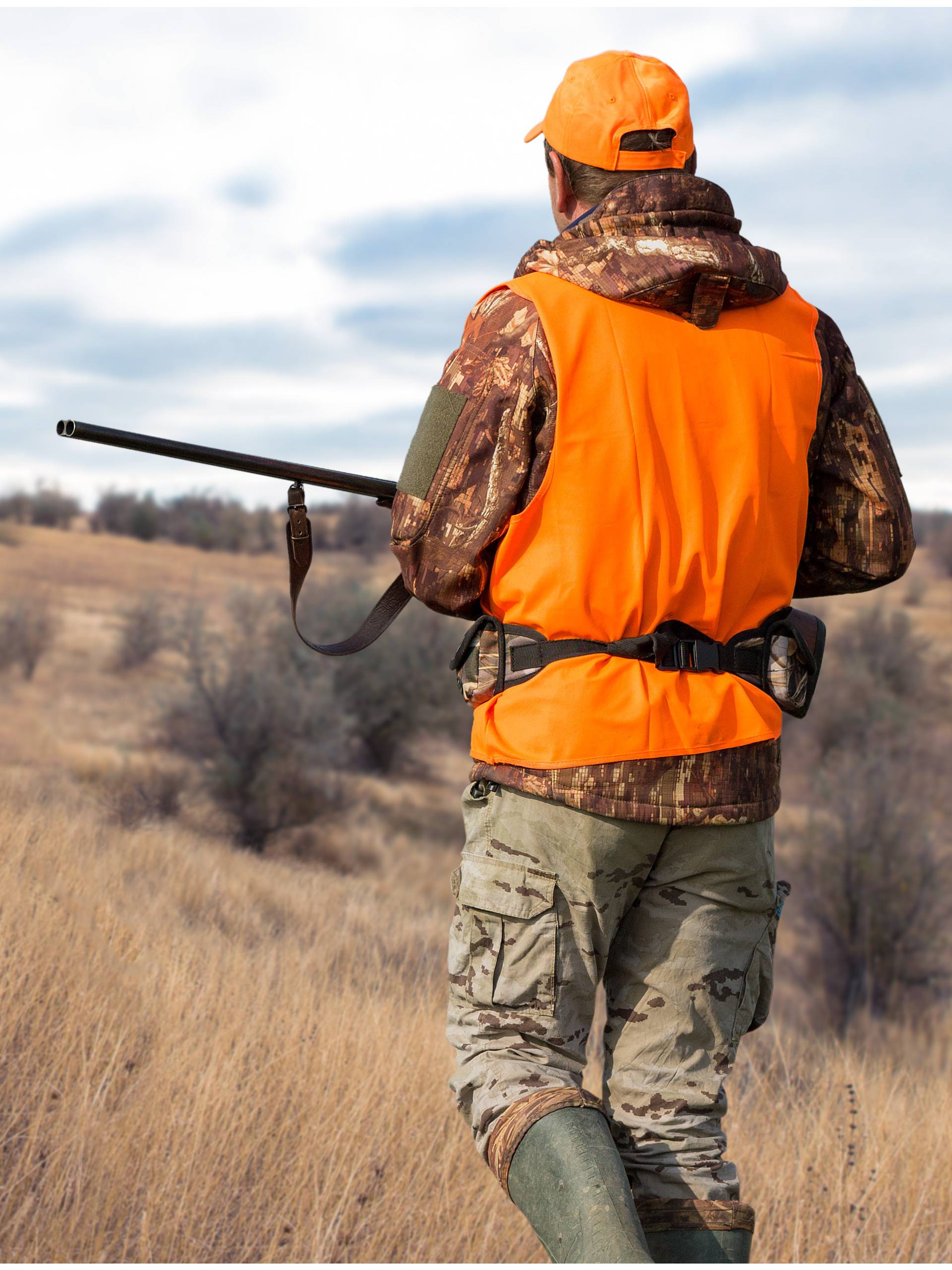
If you’ve ever watched a mature whitetail suddenly catch your scent and vanish before you could even raise your rifle, you know just how ruthless a deer’s nose can be. That’s why so many hunters find themselves asking, does scent control for hunting really work? With manufacturers touting the latest odor-busting technology, it’s only natural to wonder if these advances actually make a difference when you’re out in the field.
How the Technology Works
Most scent control garments take one of two approaches. The first embeds activated carbon directly into the fabric. Carbon adsorbs odor molecules before they escape into the surrounding air, acting as a filter between your body and the environment. The second approach uses silver- or zinc-based antimicrobial treatments that target the bacteria on your skin that produce human odor in the first place.
Activated carbon has solid research behind it. Lab testing confirms that carbon-lined fabric reduces the number of odor molecules that pass through it. The downside is that carbon fills up with use and requires heat reactivation, usually a dryer cycle, to restore performance. Skip that step consistently, and you’re wearing expensive fabric with limited benefit.
Antimicrobial treatments work differently. By reducing the bacterial source rather than catching odor after it forms, they tend to hold up better over multiple wears. They don’t address odors from outside sources, though, so a morning stop at the gas station or cooking breakfast over the campfire can still work against you.
Real-World Hunter Experiences
Field experience from seasoned hunters tells a consistent story: no fabric system eliminates human scent entirely. A mature deer’s nose detects odor concentrations well beyond what current technology can fully block. What scent-control clothing does is lower your overall odor output, and in hunting, that reduction can make a real difference.
Wind direction and shifting thermals matter more than any piece of clothing you wear. Scent-control clothing performs best as part of a broader strategy, not as a standalone solution.
When considering features to look for in a durable hunting hoodie, pay attention to a tightly woven outer shell that resists odor penetration, a sealed construction that closes off gap points, and a fabric weight matched to your specific hunting conditions. The garment also needs to survive repeated washing and reactivation without losing structural integrity over time.
The Bottom Line
Scent control clothing delivers a real, measurable reduction in your odor signature, but it won’t turn you into a ghost. No more wondering whether scent control clothing for hunting really works. Yes, it does when used as part of a consistent, comprehensive approach.
Store your clothing away from contaminants and properly reactivate it before each hunt. Do that consistently and you’ll notice the difference. Expect it to do all the work on its own, and you’ll be back to watching deer walk away.

Casey Cartwright
Latest posts by Casey Cartwright (see all)
- How To Build the Ultimate Private Hunting Property – October 1, 2026
- Building a Practical Setup for Hunting & Outdoor Recreation – October 1, 2026
- How To Maintain a Trailer for Hunting Season – October 1, 2026

Leave a Reply