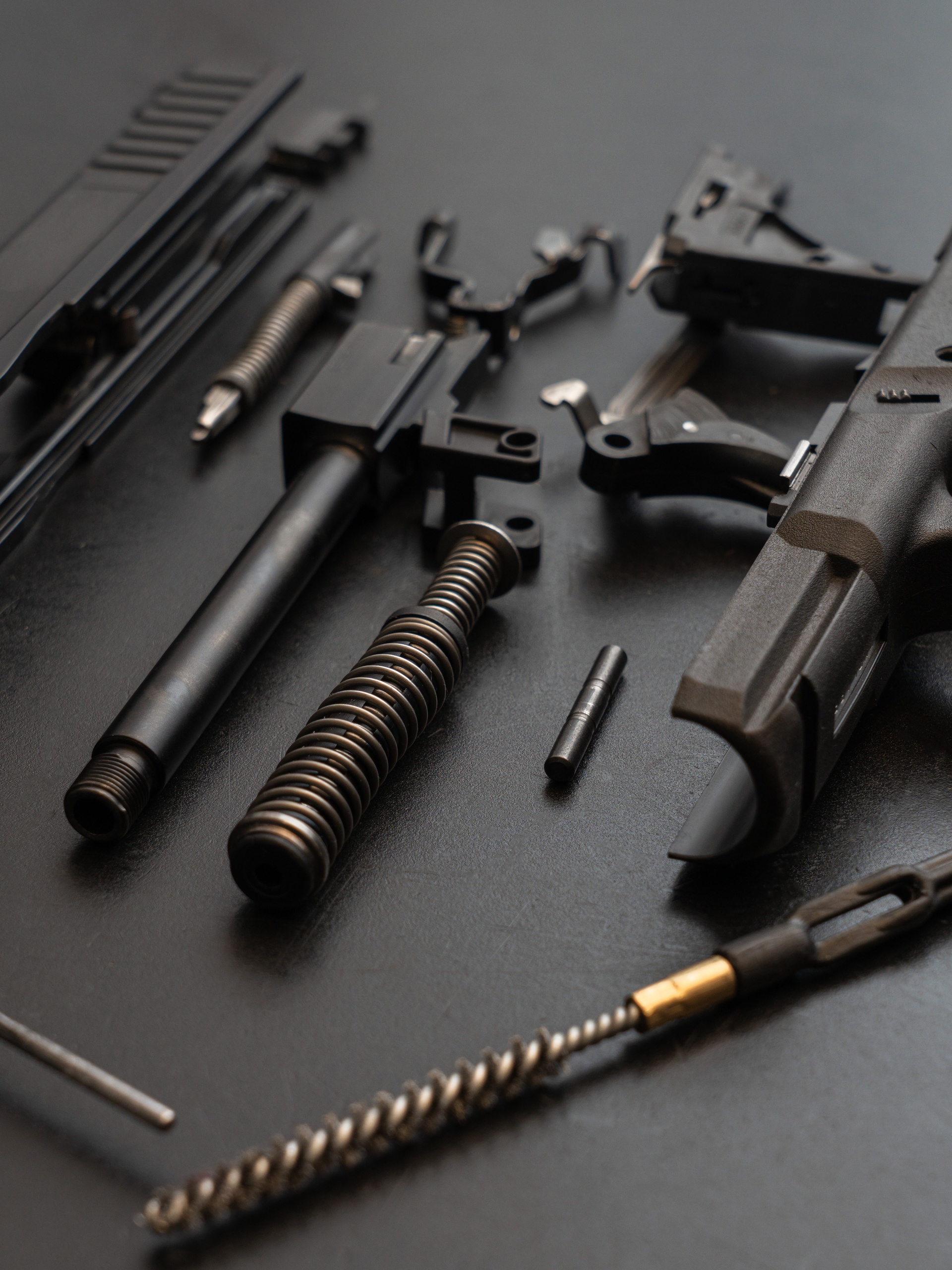
You rely on your gear to perform when conditions become unpredictable. Heat, moisture, recoil, and repeated use all push components to their limits. That’s where advanced alloy engineering steps in. The right metals don’t just survive harsh environments; they maintain precision, strength, and consistency under pressure. Understanding what goes into your equipment helps you make smarter choices about what you use.
How Metal Alloys Improve Strength Without Adding Weight
Modern tactical equipment demands strength without unnecessary bulk. You want a light weapon or optic mount that feels solid but doesn’t throw off balance and handling.
Engineers achieve that balance with alloys like high-strength aluminum and specialty stainless steels. These materials offer excellent strength-to-weight ratios, allowing manufacturers to reduce mass while maintaining durability. You end up with gear that feels responsive and not cumbersome.
That’s especially critical during extended training sessions or competitive shooting, where fatigue can impact performance.
Corrosion Resistance in Harsh Field Conditions
Outdoor environments don’t give your gear a break. Rain, humidity, sweat, and even cleaning chemicals all contribute to corrosion over time.
Advanced alloys combat this through built-in corrosion resistance. Stainless steels with chromium content form protective oxide layers, while treated aluminum alloys resist oxidation and pitting.
Key benefits you’ll notice include:
- Longer service life in wet or humid environments
- Reduced maintenance requirements
- Consistent performance after repeated exposure
- Less risk of structural degradation over time
These properties matter whether you’re running drills at the range or training in unpredictable weather.
Precision Matters: Stability in Optics and Mounts
Accuracy depends on stability. If your optic mount shifts under recoil or temperature changes, your zero won’t hold.
High-performance alloys maintain dimensional stability even under stress. They resist warping and micro-movements that can throw off alignment. That’s why premium mounts and components often rely on tightly controlled alloy compositions and machining processes.
This level of precision reflects a broader industry trend, highlighting how material science continues to push performance forward. Alloys like C64200 aluminum silicon bronze exemplify how engineered compositions balance strength, corrosion resistance, and stability—qualities that translate directly into more reliable components under stress.
Armor Components and Impact Resistance
Armor systems face a different challenge: absorbing and distributing force. Here, alloys must combine hardness with toughness.
Nickel-based alloys and specialized steels handle high-impact scenarios without becoming brittle. They deform in controlled ways, reducing the risk of catastrophic failure.
You’ll see these materials used in plates, fasteners, and structural components where failure isn’t an option. The goal isn’t just to stop force; it’s to manage it effectively.
What This Means for Your Gear Choices
When you evaluate durability, materials deserve as much attention as design. The metal alloys used to produce tactical equipment determine how it performs after repeated exposure and real-world use. They play a direct role in reliability, accuracy, and longevity.
If you prioritize gear that uses advanced materials, you’re investing in consistency you can trust when it matters most.

Casey Cartwright
Latest posts by Casey Cartwright (see all)
- How To Build the Ultimate Private Hunting Property – October 1, 2026
- Building a Practical Setup for Hunting & Outdoor Recreation – October 1, 2026
- How To Maintain a Trailer for Hunting Season – October 1, 2026

Leave a Reply