Whether you’re a manufacturer sending product to an FFL dealer, an owner returning a pistol for repairs, or a private seller transferring a gun, you should know how to ship a firearm without damaging it. Done right, your firearm arrives in perfect condition, and everyone sleeps easy. Done wrong, you’re looking at a damaged gun, a legal headache, or both. Let’s walk through this the right way.
Start With Gun Prep
Before a single piece of bubble wrap comes out, prep the firearm. First, unload it completely. A loaded gun cannot be shipped, and beyond that issue, loose ammo rattling around inside a box is a recipe for damaged finishes and worse.
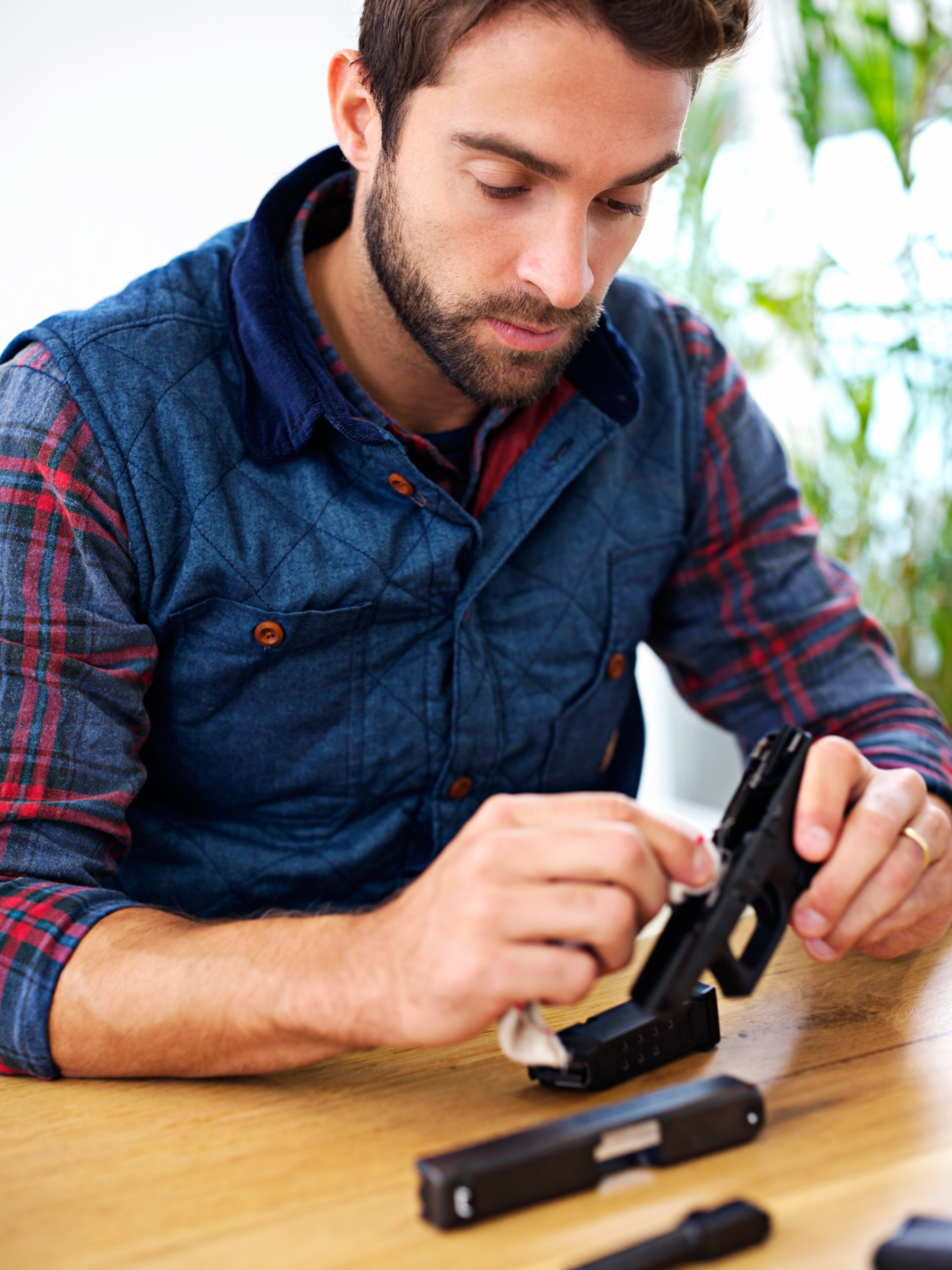
Next, break the piece down if you can. Disassembling a rifle or shotgun reduces the overall footprint, eliminates long leverage points that stress receivers and stocks, and makes the whole package more manageable. If you’re shipping a handgun, field-strip it when possible.
And lastly, engage the safety. It’s a small step that protects internal components from accidental movement during handling.
Choose the Right Inner Protection
A purpose-built hard case is your first line of defense against transit damage, as cardboard alone might not survive a rough conveyor belt. A hard case absorbs impacts that a box simply passes straight through to the gun.
If your case has pre-cut foam, make sure the gun fits snugly with no room to shift. If it doesn’t fit perfectly, add closed-cell foam or bubble wrap around vulnerable areas.
Keep in mind that long guns need extra wrist protection. The stock wrist is the most common breakage point on rifles and shotguns in transit, so wrap that area with extra padding.
Find a Proper Outer Box
The outer box takes the full abuse of the shipping process. Use a new corrugated box, as a reused box with compressed walls or worn seams won’t hold up. New corrugated cardboard that meets UPS Single Wall Box Strength Guidelines is a solid standard to build around, regardless of which carrier you use.
And size it right. You want at least 2 inches of cushioning on every side between the inner case and the outer box walls. You also need void fill in heavy-product packaging. Loose-fill peanuts, crumpled kraft paper, air pillows—whatever you choose, pack it tightly enough that nothing inside shifts when you shake the box.
Lastly, reinforce the box. Apply heavy-duty pressure-sensitive tape or water-activated tape across all seams using the H-taping method on both top and bottom.
Protect Vulnerable Components Specifically
Different firearms have different weak points. Address these directly:
- Scopes and optics: Remove them when possible. If that’s not practical, wrap them independently with bubble wrap before placing the gun in its case.
- Muzzle devices: These stick out and take hits. Wrap them separately and make sure they’re cushioned against the case walls.
- Wood stocks: Walnut and other hardwoods are beautiful and fragile. Wrap them in soft foam or cloth before anything else touches them.
- Blued and case-hardened finishes: These scratch easily. Every component should be wrapped individually before they share a case to keep any metal-to-metal contact out of the equation.
Don’t Skip Insurance and Documentation
It’s very important to declare the value accurately and purchase insurance. If a carrier damages your firearm, your damage claim gets rejected if your packaging doesn’t meet their standards.
Also, include your contact information and any relevant details inside the box on a plain sheet of paper. If the external label gets damaged, that interior note is the only thing standing between your firearm and a lost shipment.
A Final Word
Knowing how to ship a firearm without damaging it isn’t complicated; it just takes the same care and attention you’d give the firearm itself. Pack it like the machinery inside cost what it cost, and it’ll arrive that way.
Disclaimer: Shipping firearms entails many legal considerations. Ensure you do your research and comply with all regulations, as this is another big part of safe firearm transit.

Casey Cartwright
Latest posts by Casey Cartwright (see all)
- How To Build the Ultimate Private Hunting Property – October 1, 2026
- Building a Practical Setup for Hunting & Outdoor Recreation – October 1, 2026
- How To Maintain a Trailer for Hunting Season – October 1, 2026

Leave a Reply