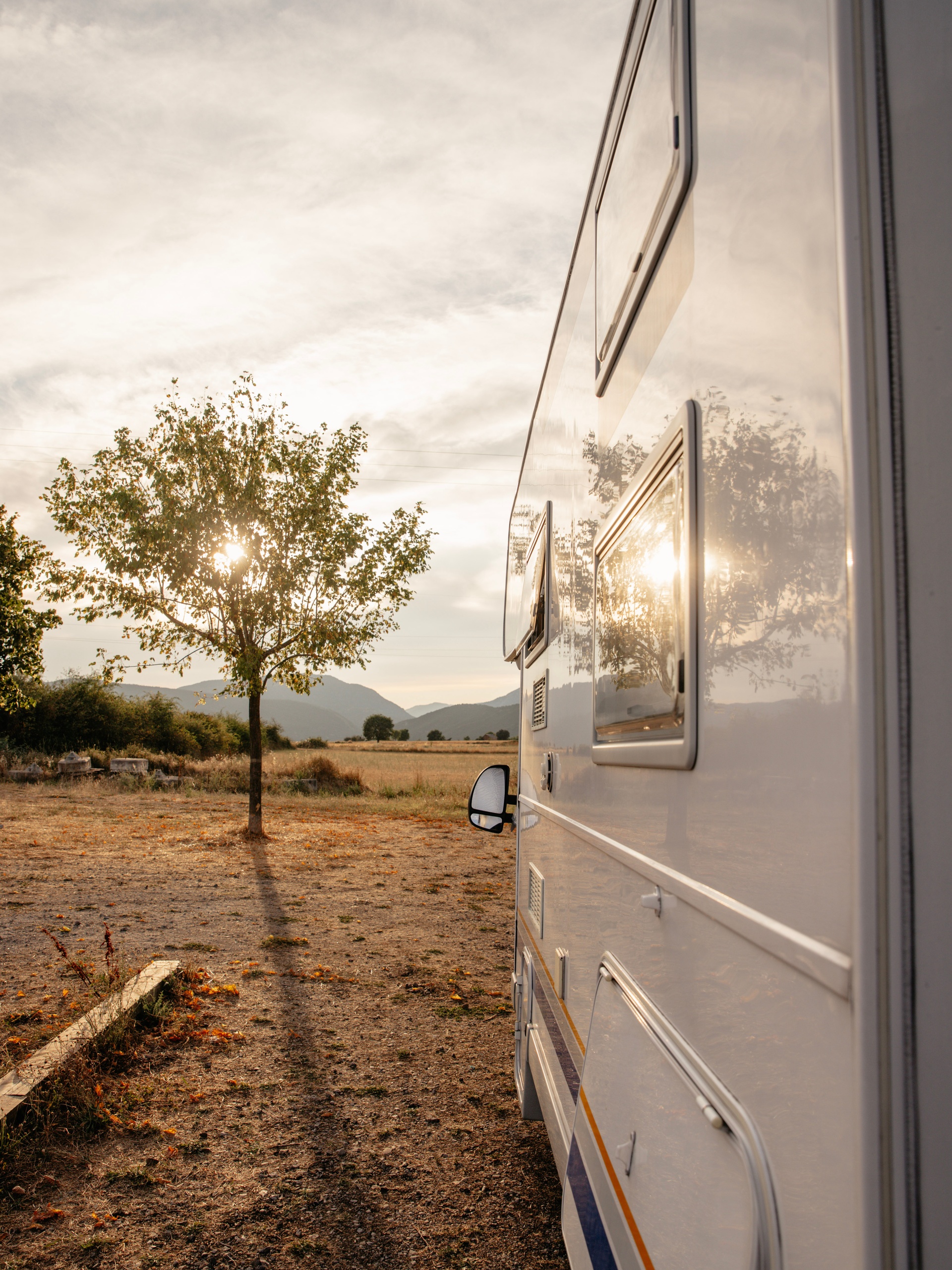
An RV used for camping or hunting typically goes through a bit more wear and tear than the average RV. That’s because it regularly hauls tons of gear, trudges through harsh weather, and sits for months between trips. Where you decide to store it can affect how ready it feels when the next season comes around. That’s why knowing how to choose the right RV storage facility for your vehicle will be key to helping it last as long as possible.
Check the Surface Before You Park
The parking surface matters more than it may seem at first glance. Soft ground can shift after rain, which can leave tires sitting unevenly or make it harder to pull out cleanly. A stable surface also helps reduce mud around the RV when you’re loading gear before a trip.
When comparing concrete pads and gravel lots for RV parking, be sure to look into drainage and long-term tire support. Concrete usually offers the most stable base, while well-maintained gravel can still work if it drains properly. There’s a lot more to consider here, but this is a solid starting point.
Look at Access Hours and Drive Paths
A good storage facility should match the way you actually use your RV. If you leave early for a hunting trip or return late from a weekend campsite, limited gate hours can become a real problem. Access should feel predictable, especially when plans depend on weather or travel distance.
Drive paths deserve special attention, too. Wide lanes make it easier to maneuver a trailer or motorhome without forcing tight turns. If the facility feels difficult to navigate during a tour, it probably won’t feel any easier when you’re tired after a long trip.
Pay Attention to Security
RV storage security should feel visible and practical. Look for gated access, working cameras, and lighting that adequately covers the storage area. A facility doesn’t need to have every latest feature, but it should show that someone takes monitoring seriously.
This matters even more when your RV supports outdoor hobbies. You may not leave valuable gear inside, but the vehicle itself still represents a major investment. Strong security helps protect the RV between trips and reduces the things you have to worry about during the off-season.
Consider Weather Protection
When looking at your options for the perfect RV storage facility, outdoor space can work, but the facility should aim to limit avoidable exposure. Good drainage protects the RV from standing water, while open spacing can reduce the chance of damage from nearby vehicles. Covered storage may cost more, but it can help protect roofs and seals from constant exposure to the sun.
Be sure to ask how the facility handles storms and general site maintenance. Branches, debris, and poor runoff can create problems even when the RV stays parked. A well-kept facility gives your rig a better chance of staying road-ready when it’s time to load up again.

Casey Cartwright
Latest posts by Casey Cartwright (see all)
- How To Build the Ultimate Private Hunting Property – October 1, 2026
- Building a Practical Setup for Hunting & Outdoor Recreation – October 1, 2026
- How To Maintain a Trailer for Hunting Season – October 1, 2026

Leave a Reply