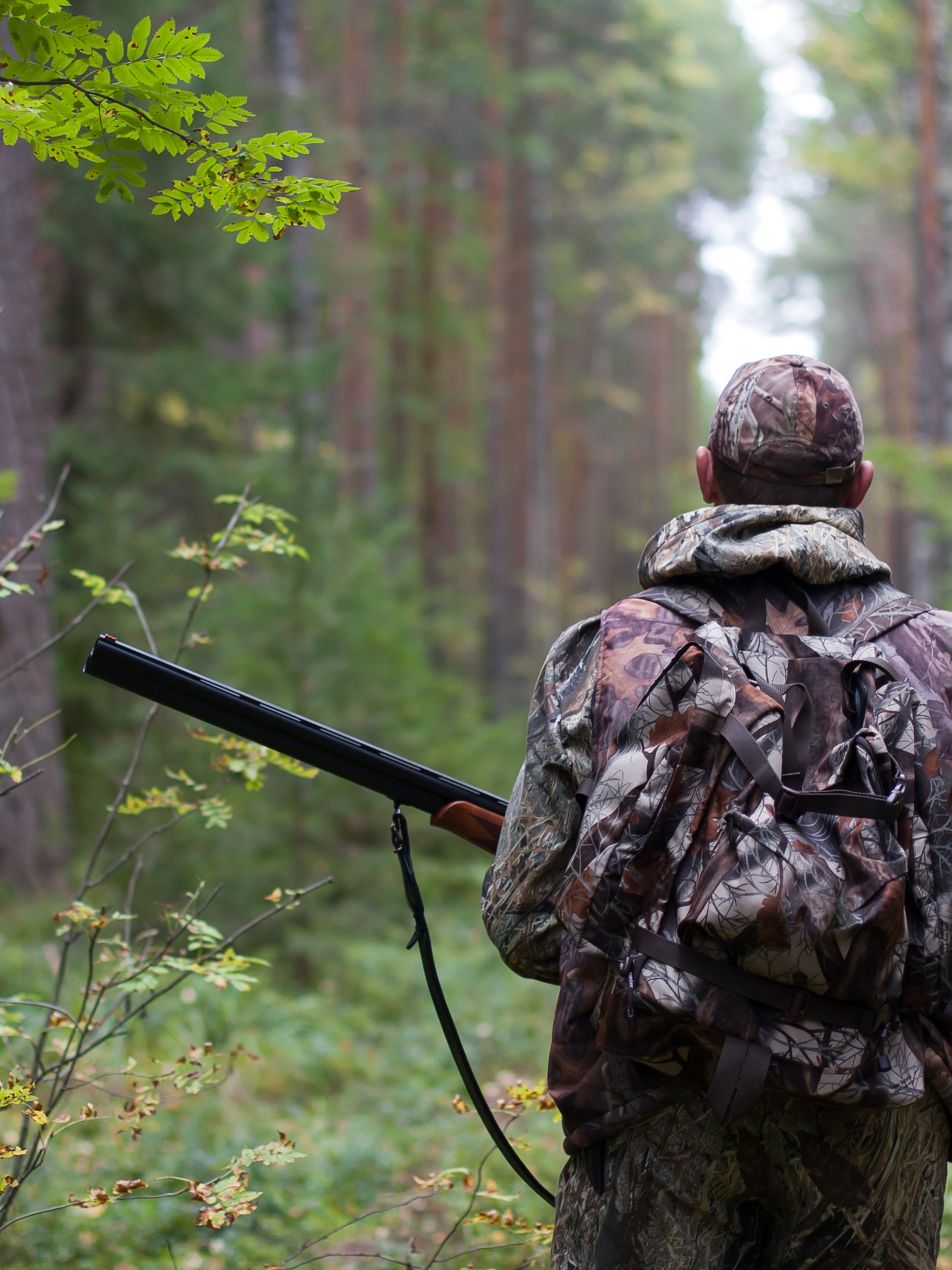
A cold hunting weekend rewards the guy who handles the boring details before the truck leaves the driveway. Once you reach camp, every missing glove or damp base layer feels twice as annoying. Understanding what to prep before a cold hunting weekend starts with gear control and a camp setup that keeps you functional. The goal is simple: stay warm, keep equipment reliable, and avoid wasting prime hours fixing preventable problems.
Check Your Optics Before You Pack
Cold weather exposes weak preparation quickly when you rely on quality glass. Clean your lenses and confirm your mounts before the trip so your optics are ready to start the weekend. Temperature changes can fog binoculars and scopes when you move between the truck and the stand during long, cold sits. Always store each optic in a padded dry case, since moisture and loose gear can create problems before the hunt even begins.
Build Your Layering System Early
Do not wait until the morning of the hunt to choose your layers. Lay out a moisture-wicking base layer and add insulation that keeps warmth close without limiting movement. Your outer layer should block wind while still letting you shoulder your gear and move with control. Pack one dry backup layer in a sealed bag, because sweat and a wet brush can turn a decent clothing setup into a cold problem by midday.
Prep Camp for Cold and Wet Gear
Camp should help you recover after long hours in low temperatures. Set aside a dry place for boots and outer layers so moisture does not spread into the sleeping area. If you use an RV or trailer as a basecamp, check seals and drafts before the first cold night. A little attention to keeping your RV slide-out seals in prime condition helps prevent leaks and damp air from creating another issue to manage.
Plan Food and Morning Access
Cold mornings run smoother when food and gear access already have a plan. Pack breakfast and snacks that provide steady energy without requiring a full cooking session before legal light. Keep headlamps and tags in one reachable place so the morning does not turn into a search-and-rescue mission. When temperatures drop, small delays often feel bigger because the cold makes every simple task take longer than expected.
Respect the Weather Window
Cold hunting weekends can shift quickly when wind or freezing rain moves in overnight. Check the forecast for the hunt area instead of relying on the nearest town. Study wind direction and overnight lows so you can adjust your stand choice before discomfort starts making decisions for you. Prep before a cold hunting weekend to keep your attention on the hunt, not on solving problems back at camp.

Casey Cartwright
Latest posts by Casey Cartwright (see all)
- How To Build the Ultimate Private Hunting Property – October 1, 2026
- Building a Practical Setup for Hunting & Outdoor Recreation – October 1, 2026
- How To Maintain a Trailer for Hunting Season – October 1, 2026

Leave a Reply