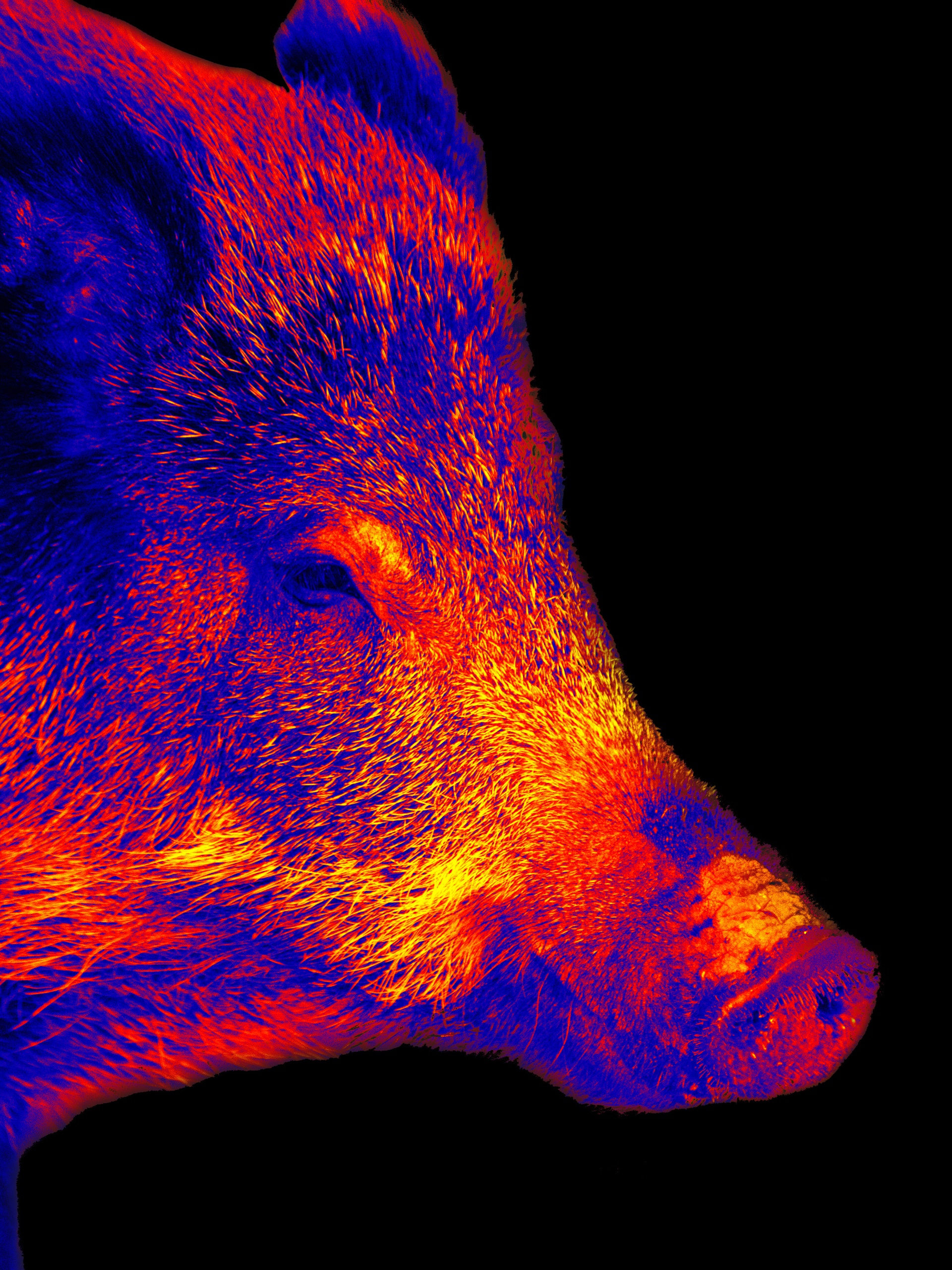
Night hunting introduces a different set of variables, and shot placement strategies for hog hunting after dark require a disciplined approach that accounts for limited visibility and unpredictable movement. While modern optics provide a clearer sight picture, identifying the correct point of aim still depends on understanding hog anatomy and behavior. Hunters who prioritize precise placement see more consistent results, especially when tracking becomes more difficult in low-light conditions.
Understanding Hog Anatomy in Low Visibility
Feral hogs present a compact and durable target, with a dense shoulder plate that can deflect or slow lighter rounds. When visibility drops, relying on broad anatomical knowledge becomes more important than visual detail, since thermal or low-light optics may obscure finer features. The vital zone sits slightly forward compared to deer, positioned low in the chest and shielded by muscle and bone.
Aiming just behind or directly through the shoulder remains effective, though hunters should evaluate shot angles carefully when hogs are quartering. Broadside shots offer the highest margin for error, while steep angles can reduce penetration or lead to non-lethal hits. Recognizing body orientation through movement patterns becomes a necessary skill when shifting or terrain limits visual cues.
Adapting to Movement and Group Behavior
Hogs rarely remain stationary for long, and they travel in groups, adding challenges when selecting a target. At night, depth perception can flatten, which increases the risk of misjudging distance or alignment between multiple animals. A controlled approach that isolates a single hog before firing reduces the likelihood of poor placement.
While gear selection varies, many discussions around the equipment you need for thermal hog hunting highlight how optics influence shot timing. Even with advanced imaging, hunters must wait for a clear presentation. Patience in these moments typically leads to better outcomes than reacting quickly.
Managing Angles and Follow-Up Shots
Positioning for a stable follow-up shot allows hunters to respond if the first round does not anchor the animal immediately. This becomes particularly relevant when shooting from uneven terrain or improvised rests.
Quartering-away angles can expose the vitals more clearly, though they require careful compensation to reach the heart-lung area. Conversely, frontal shots demand precision and sufficient caliber to penetrate dense bone structures.
Precision Matters When Light Is Limited
Effective shot placement strategies for hog hunting after dark depend on a combination of anatomical knowledge, patience, and situational awareness. While equipment influences visibility, the outcome ultimately relies on disciplined execution and the ability to read each scenario as it develops. Hunters who refine these fundamentals can maintain accuracy even when conditions are less forgiving.

Casey Cartwright
Latest posts by Casey Cartwright (see all)
- How To Build the Ultimate Private Hunting Property – October 1, 2026
- Building a Practical Setup for Hunting & Outdoor Recreation – October 1, 2026
- How To Maintain a Trailer for Hunting Season – October 1, 2026

Leave a Reply