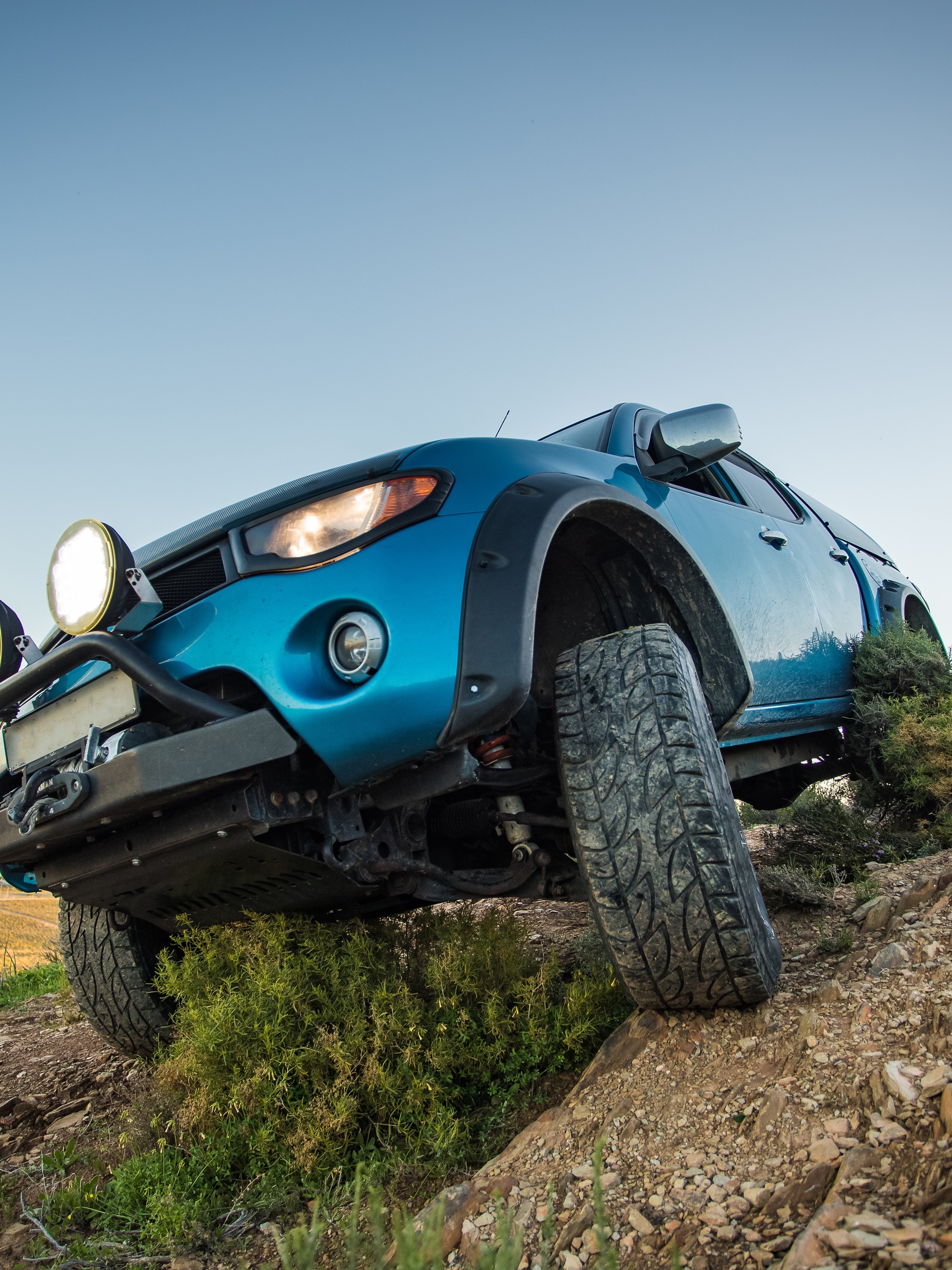
A good off-road trip starts before the tires touch dirt. Whether the plan involves a hunting lease road, a remote shooting property, a rocky trail, or a muddy camp route, your truck needs the right inspection and setup before you leave pavement behind.
Proper preparation helps protect the vehicle, keeps the day moving, and reduces the chance that a minor oversight turns into a long recovery. Below, we’ll show you how to prepare your truck for an off-road excursion.
Inspect the Tires and Suspension
Tires carry most of the punishment off-road, so start there. Check tread depth, sidewall condition, valve stems, and the spare. A highway tire with weak sidewalls can struggle on sharp rock, ruts, and exposed roots.
Match tire pressure to the terrain, but avoid guessing. Airing down can improve traction and ride quality, while too little pressure can damage a wheel or unseat a bead.
Suspension deserves the same attention. Look for leaking shocks, loose bushings, worn ball joints, and damaged steering components. Off-road driving multiplies stress through the chassis, especially when the truck carries coolers, tools, range bags, camping gear, or recovery equipment.
Check Fluids Before The Trail
Heat, dust, and slow-speed crawling place extra strain on drivetrain systems. Check engine oil, coolant, brake fluid, transmission fluid, transfer case fluid, and differential fluid before departure. Any low level, burnt smell, leak, or contamination deserves attention before the truck leaves home.
Manual-transmission trucks also need a firm, predictable clutch pedal. Fluid viscosity affects hydraulic clutch performance, so check your truck’s brake fluid before setting out. These details matter when slow maneuvering, steep starts, and precise throttle control become part of the drive.
Pack Recovery and Repair Gear
When preparing your truck for an off-road excursion, you must plan for the worst-case scenario with recovery and repair gear. Bring a rated recovery strap, soft shackles or properly rated hardware, a shovel, gloves, a tire repair kit, an air compressor, and a jack that works on uneven ground.
Basic tools also matter. Pack sockets, pliers, zip ties, electrical tape, spare fuses, a flashlight, and work gloves. Small failures, such as a loose battery terminal or damaged splash shield, can become manageable with the right gear.
Secure Cargo and Protect the Cab
Unsecured gear can damage the truck or injure passengers when the trail gets rough. Tie down coolers, ammo cans, cases, fuel containers, and tools. Keep heavy items low and centered when possible. A shifting load can affect steering, braking, and traction on uneven ground.
Inside the cab, keep essentials within reach. Navigation, water, first-aid supplies, eye protection, and communication equipment should not sit underneath bags. Remote areas can limit cell service, so bring a paper map or downloaded route.
Plan The Route and Drive Deliberately
Study the route before leaving. Know the trail distance, fuel needs, weather, gate access, and turnaround points. Tell someone where you are going and when you expect to return. This simple step supports a safe off-road excursion without adding complexity.
Once on the trail, drive with control instead of momentum. Pick clean lines, avoid sudden steering input, and stop to inspect difficult sections on foot. A well-prepared truck can handle rough country, but the driver’s judgment keeps the trip safe, efficient, and worth repeating.

Casey Cartwright
Latest posts by Casey Cartwright (see all)
- How To Build the Ultimate Private Hunting Property – October 1, 2026
- Building a Practical Setup for Hunting & Outdoor Recreation – October 1, 2026
- How To Maintain a Trailer for Hunting Season – October 1, 2026

Leave a Reply