Tactical gear must perform under demanding conditions. Whether someone relies on protective equipment, communication hardware, mounting systems, packs, tools, or other field equipment, small design flaws can quickly become larger problems. Loose fittings, weak attachment points, inconsistent dimensions, and rough edges can compromise performance when users need dependable equipment most.
Precision manufacturing gives tactical gear makers greater control over those details. Modern machining and fabrication processes let manufacturers produce components with tight tolerances, repeatable dimensions, strong materials, and clean finishes. That control improves more than appearance. It can affect fit, durability, weight, compatibility, and long-term reliability across many types of tactical equipment.
Creates More Accurate Components
Tactical equipment often includes multiple parts that must fit together precisely. A mounting bracket may need to align with another component, while a buckle, hinge, fastener, or housing may require exact dimensions to operate smoothly.
Precision manufacturing enables companies to produce these parts within tight dimensional tolerances. Computer-controlled equipment follows programmed measurements with a high degree of consistency, helping manufacturers avoid the dimensional variations that can arise with less controlled production methods.
Accurate parts also make assembly easier. Workers don’t need to force mismatched components together or spend as much time correcting poorly fitting parts. Consistent dimensions help finished products operate as designers intended.
Improves Product Consistency
Users expect two examples of the same piece of tactical gear to perform the same way. Precision manufacturing helps manufacturers achieve that consistency across production runs.
Automated machining equipment can repeat the same cutting, drilling, shaping, and finishing operations across large quantities of parts. When manufacturers control their raw materials and production settings, they can reduce variations from one component to another.
Consistency is especially valuable when users replace individual parts. A replacement component must fit existing equipment without extensive adjustment. Standard dimensions make repairs, upgrades, and maintenance much simpler.
Manufacturers also benefit because predictable parts make quality inspections more straightforward. Teams can compare finished components against established specifications and identify deviations before assembly.
Strengthens Critical Connections
Many tactical products rely on attachment points, mounting holes, fasteners, joints, and other connections. Weak or poorly aligned connections can compromise otherwise durable equipment.
Precision drilling and machining help manufacturers position holes exactly where designers specify. Accurate placement allows fasteners to distribute loads more evenly and reduces the risk of components shifting during use.
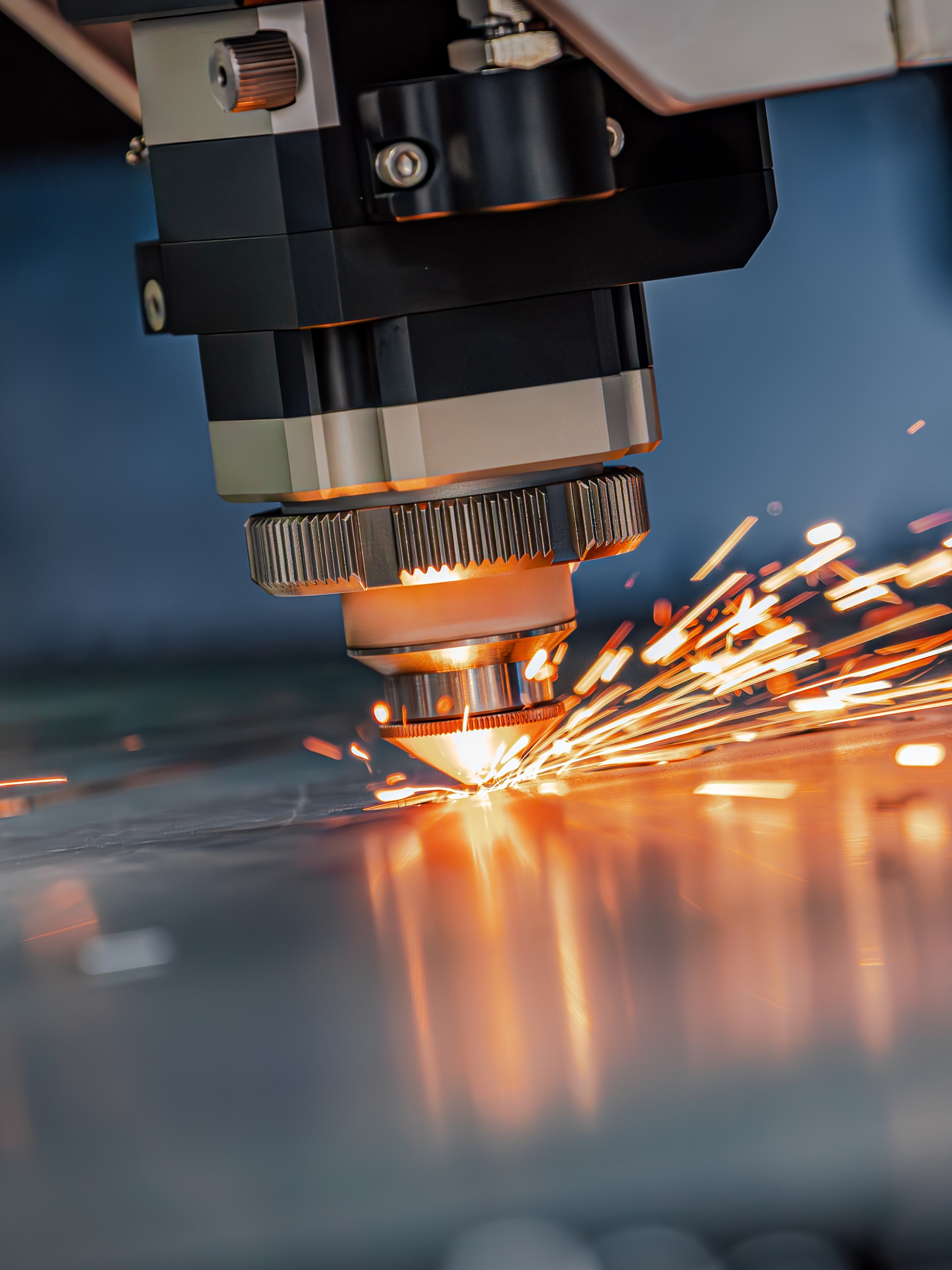
Metal fabrication depends on CNC machines when manufacturers need repeatable holes, slots, contours, and other detailed features across metal components. CNC equipment can follow digital designs closely, allowing manufacturers to create intricate parts without relying entirely on manual measurements.
Accurate connections can also reduce unnecessary movement between components. Less movement can limit wear and help equipment retain a secure fit after repeated use.
Supports Stronger Materials
Tactical gear manufacturers often use aluminum, steel, titanium, engineering plastics, and other materials selected for specific performance characteristics. Some of these materials can challenge traditional manufacturing methods.
Precision equipment gives manufacturers greater control when cutting and shaping tough materials. Appropriate tooling, cutting speeds, and machining strategies can produce detailed components without damaging the material.
This capability lets designers choose materials based on performance rather than limiting designs to materials that manufacturers can easily shape. A strong alloy may provide the durability a product needs, while a lightweight material may reduce unnecessary bulk.
Manufacturers can also remove material strategically. Instead of thickening a component uniformly, designers can reinforce high-stress areas while removing excess material from areas that don’t need additional strength.
Reduces Unnecessary Weight
Weight plays an important role in tactical equipment. Individual components may seem light, but a full set of gear can quickly become heavy when users carry protective equipment, electronics, tools, supplies, and other items.
Precision manufacturing lets designers reduce weight without simply making every component thinner. CNC machining can remove material from low-stress areas while preserving structural support where loads concentrate.
Manufacturers can also create complex shapes that would prove difficult to produce with basic cutting tools. Pockets, ribs, channels, and carefully designed contours can reduce material use while maintaining useful strength.
Even small reductions can add up across multiple pieces of equipment. Lighter hardware can make bags, mounting systems, protective equipment, and accessories easier to carry for extended periods.
Improves Ergonomics
Precision doesn’t only apply to internal dimensions and mounting holes. Manufacturers can also use advanced machining and fabrication to create shapes that feel more comfortable during use.
Rounded edges, textured surfaces, finger contours, and smooth transitions can improve the way users interact with equipment. A poorly finished edge can catch on clothing or become uncomfortable after repeated handling.
CNC machines can reproduce ergonomic shapes consistently. Once designers refine a contour, manufacturers can produce the same geometry across a large production run.
Comfort is especially important for equipment that users wear or handle for hours. A minor pressure point may seem insignificant during a short test, but repeated contact can become distracting during extended use.
Enhances Equipment Compatibility
Modern tactical setups often integrate products from multiple manufacturers. Users may connect lights, communication systems, cameras, pouches, mounts, protective gear, and other accessories via standardized interfaces.
Precision manufacturing helps companies adhere closely to those interface dimensions. Accurate slots, rails, attachment holes, and mounting surfaces improve compatibility among components.
Poor dimensional control can cause frustrating problems. An attachment may feel too loose, refuse to fit, or require modifications that reduce convenience. Tight manufacturing tolerances help prevent such inconsistencies.
Compatibility can also extend a product’s usable life. When manufacturers maintain common dimensions and connection standards, users can upgrade individual accessories rather than replace an entire setup.
Produces Cleaner Finishes
Surface quality affects both appearance and function. Rough machining marks, burrs, sharp corners, and irregular edges can interfere with assembly or create uncomfortable contact points.
Precision equipment produces cleaner cuts that require less corrective finishing. Manufacturers can also add controlled chamfers, radii, and edge treatments during the machining process.
Clean surfaces also support coatings and other finishing processes. Manufacturers often apply anodizing, protective coatings, paint, or other treatments to metal tactical components. A carefully prepared surface provides a consistent foundation for these finishes.
Good finishing also makes equipment easier to inspect. Obvious machining defects can signal a larger production problem that manufacturers need to correct.
Reduces Material Waste
Precision manufacturing can help companies use materials more efficiently. Digital models and programmed machining paths allow production teams to plan cuts before material reaches the machine.
Accurate operations reduce the risk of scrapping parts due to drilling a hole in the wrong location or removing too much material. Manufacturers can also arrange components efficiently within sheets, plates, or stock materials.
Reducing waste can be especially valuable when companies work with expensive metals or specialized materials. Improved material utilization helps manufacturers control production costs without sacrificing product quality.
More efficient production can also make it easier for companies to produce replacement parts and smaller batches without creating excessive scrap.
Speeds Up Product Development
Precision manufacturing supports faster transitions from digital designs to functional prototypes. Designers can create a computer model, manufacture a prototype, test the component, and adjust the design based on its performance.
CNC equipment makes those revisions relatively straightforward. A manufacturer can modify a digital file instead of rebuilding an entire manual production process.
Rapid iteration helps companies refine dimensions, weight, attachment systems, and ergonomic features before full production begins. Designers can identify problems early rather than after producing thousands of units.
The same digital files can later support repeatable production once manufacturers finalize the design.
Supports Reliable Quality Control
Precision manufacturing works best when companies pair accurate production with careful inspection. Manufacturers can measure finished components and compare them with the original design specifications.
Digital measuring equipment, gauges, and inspection systems help teams verify dimensions before parts reach final assembly. Catching dimensional problems early prevents defective components from causing issues later in production.
Manufacturers can also track recurring deviations. If a particular dimension starts shifting over several production runs, technicians can inspect tooling, equipment settings, or raw materials before quality declines further.
Builds Better Gear From the Start
Tactical equipment depends on precision manufacturing. Every hole, edge, connection, contour, and dimension influences how the finished product functions in real use. Precision manufacturing gives companies the control they need to manage those details consistently.
Accurate machining can improve fit, reduce weight, strengthen connections, support better ergonomics, and simplify compatibility between components. It also gives manufacturers a repeatable process for creating replacement parts and refining future designs.
When manufacturers combine thoughtful engineering with precise production, they create tactical gear that feels deliberate rather than improvised. Users gain equipment that fits correctly, performs consistently, and stands up to repeated use without adding unnecessary complexity.

Casey Cartwright
Latest posts by Casey Cartwright (see all)
- The Risks of Remote Shooting Trips and How To Prepare – October 22, 2026
- Truck Maintenance Mistakes That Can Ruin a Hunt – October 21, 2026
- Types of Gun Holsters Available for Concealed Carry – October 20, 2026

Leave a Reply