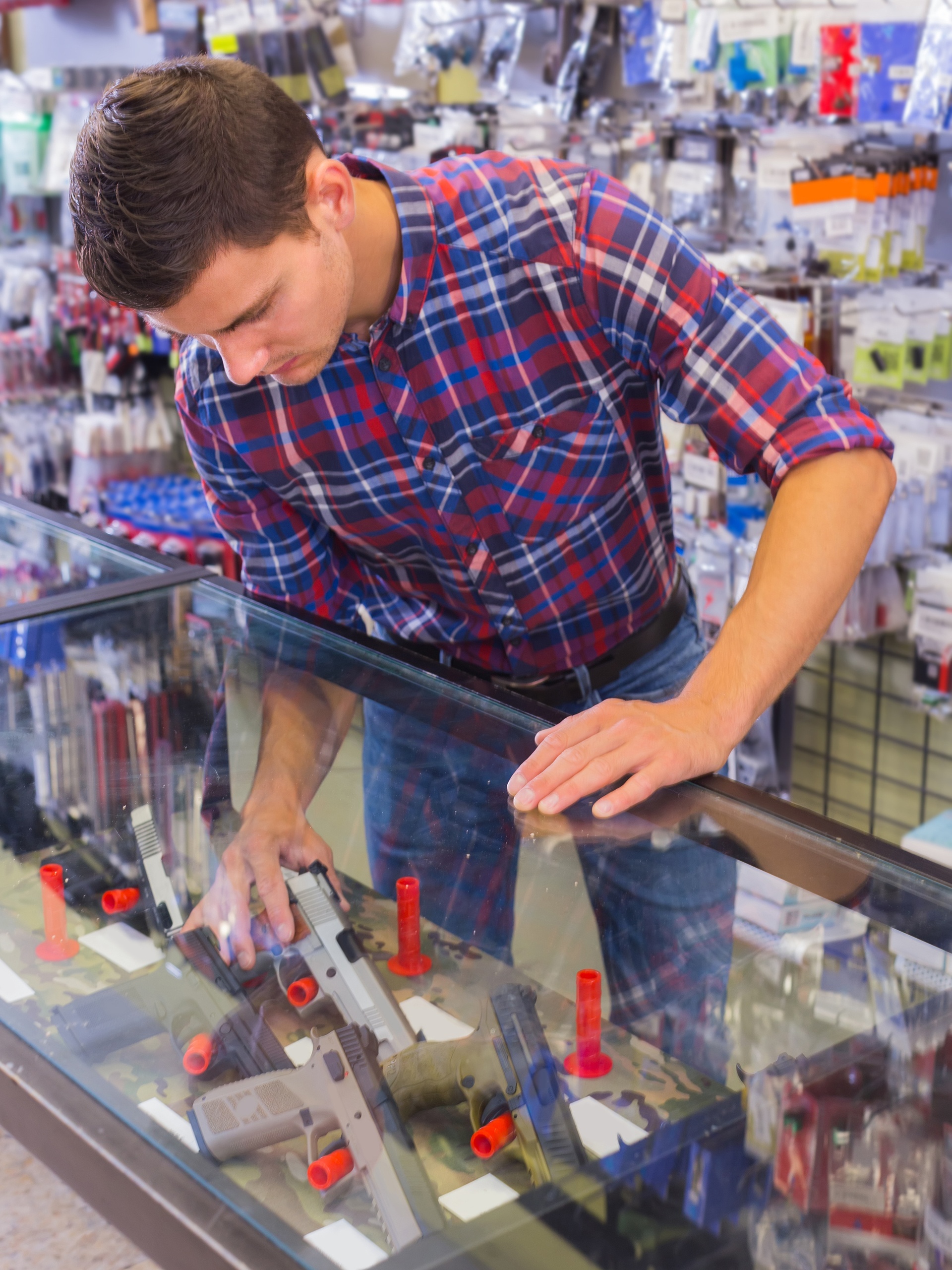
Closing a gun shop takes more than flipping the sign and locking the front door. Every evening brings a chance to protect inventory, staff records, customer information, and the reputation you’ve worked hard to build. A strong closing routine helps your team stay consistent, spot problems early, and leave the store with confidence. Use this gun shop closing checklist for better security.
Start Before the Doors Close
A smooth closing starts before the final customer leaves. Staff should begin by checking display cases, counters, fitting areas, restrooms, and any corners that customers can access. This walk-through helps the team confirm that no merchandise, paperwork, or personal items sit unattended.
Team members should also finish customer-facing tasks before they shift into security mode. That includes completing transactions, organizing receipts, and clearing the counter. A calm pace reduces mistakes and keeps the store from feeling rushed at the end of the day.
Confirm Inventory Placement
Firearms, ammunition, accessories, and high-value products need careful attention during closing. Staff should return items to their assigned locations, lock display cases, and confirm that storage areas follow store policy. A simple item-by-item habit can support better gun store security without slowing down the entire team.
Managers should also review any items handled during the day. If an employee pulled a product for a customer, repair, transfer, or inspection, that product should land in the correct place before everyone leaves. Clear placement helps the opening team start strong the next morning.
Review Access Points
Doors, windows, delivery areas, and employee entrances all deserve a close look. Staff should check locks, door frames, glass, gates, and back rooms before leaving. A quick tug on each locked door can catch a missed step before it becomes a serious issue.
The team should also look for anything unusual outside the building. Poor lighting, blocked cameras, damaged locks, or unfamiliar vehicles near entrances deserve attention. When staff report those concerns right away, the business can respond faster.
Check Cameras and Alarms
Security systems work best when staff treat them as part of the daily routine. Before leaving, employees should confirm that cameras show clear views of entrances, registers, display areas, and storage zones. They should also check that nothing blocks a lens.
The final person out should arm the alarm system and confirm that the system accepts the code. If the panel shows an error, low battery, open zone, or service message, the closer should follow the store’s reporting process before leaving.
Lock In the Routine
A closing checklist for gun shops only works when everyone follows it every night. Managers can train staff on the steps, assign roles, and review the process often. A dependable routine protects the store, supports employees, and reduces last-minute confusion.
Gun shop security starts with daily habits. When your team closes with care, your business gains a stronger line of defense after hours.

Casey Cartwright
Latest posts by Casey Cartwright (see all)
- How To Build the Ultimate Private Hunting Property – October 1, 2026
- Building a Practical Setup for Hunting & Outdoor Recreation – October 1, 2026
- How To Maintain a Trailer for Hunting Season – October 1, 2026

Leave a Reply