Military service carries traditions of duty, discipline, and responsibility. Veterans, active-duty personnel, military families, and local communities recognize that service in different ways. Meaningful recognition does not require an elaborate ceremony or a large public event.
People can show respect by learning military history, supporting veterans, maintaining memorials, and observing established customs. These efforts have greater value when they reflect genuine understanding rather than routine gestures. For sportsmen who value training and responsible equipment use, that emphasis on discipline feels familiar.
Learn the Stories Behind the Service
Understanding military history gives remembrance greater depth. Instead of focusing only on major wars or famous battles, readers can explore individual units, military occupations, deployments, and personal experiences. Local museums and historical societies provide useful records that connect national events to specific communities.
Families can preserve photographs, medals, service documents, and letters. Recording a veteran’s memories can add important context, but the veteran should control what he or she chooses to discuss. Some experiences remain deeply personal, so respectful conversations should allow veterans to set those boundaries.
Military equipment can also help explain how service changed across different eras. Historical firearms, for example, reveal shifts in manufacturing, marksmanship standards, training methods, and battlefield requirements. Studying the equipment alongside the people who used it creates a fuller picture than examining an object by itself.
Observe the Flag With Care
The American flag plays a visible role in military ceremonies and remembrance events. Homeowners, shooting clubs, ranges, and businesses can honor military service by displaying it properly and understanding the customs associated with it. A thoughtful display requires more than simply raising a flag and leaving it outdoors indefinitely.
The U.S. Flag Code provides guidance on positioning, half-staff observances, nighttime display, and the handling of worn flags. Anyone responsible for a flag should become familiar with those standards before creating a permanent display. Following them helps preserve the significance of the tradition.
The installation itself also deserves careful planning. Wind, weather, flag size, hardware, and pole construction all affect long-term performance, while details such as flagpole tapering and design influence structural characteristics and appearance. Understanding those factors helps property owners create a display that looks intentional and withstands normal outdoor conditions.
Regular inspections can prevent deterioration. Owners should check the flag for excessive wear and examine halyards, clips, pulleys, and other hardware for damage. Prompt repairs help keep the display in good condition over time.
Maintain a Local Memorial
Military memorials have become familiar parts of parks, cemeteries, and civic spaces. That familiarity can make it easy to overlook the work required to preserve them. Volunteers can help by coordinating with the organization or property owner responsible for the site.
Cleaning historic monuments requires particular care because incorrect tools or chemicals can damage stone and metal. Volunteers should follow preservation guidance rather than using standard household cleaning methods. Even simple tasks such as removing litter or tending approved landscaping can improve the site without risking damage.
Sportsmen’s organizations and shooting clubs can turn memorial upkeep into a practical service project. A coordinated volunteer day gives members a direct way to contribute while learning more about the people or events the memorial commemorates.
Support Veterans in Practical Ways
Recognition should extend beyond symbolic occasions. Veterans may seek assistance with employment, transportation, education, recreation, or access to local services. Established veterans organizations can identify specific needs and connect volunteers with appropriate programs.
Financial donations provide one form of support, but time and professional skills can also make a difference. A tradesperson might assist with an accessibility project, while another volunteer could help with transportation or event logistics. Effective service starts with a real need rather than an assumption.
Outdoor recreation offers another useful area for involvement. Organizations across the country run hunting, fishing, hiking, and shooting programs for veterans, including activities adapted for participants with disabilities. Clubs that participate should prioritize safety, accessibility, and qualified supervision.
Shooting events require the same disciplined approach that responsible ranges use every day. Organizers should establish clear range commands and provide suitable equipment for each participant. Good preparation allows the event to focus on recreation and camaraderie without compromising safety.
Participate in Remembrance Events
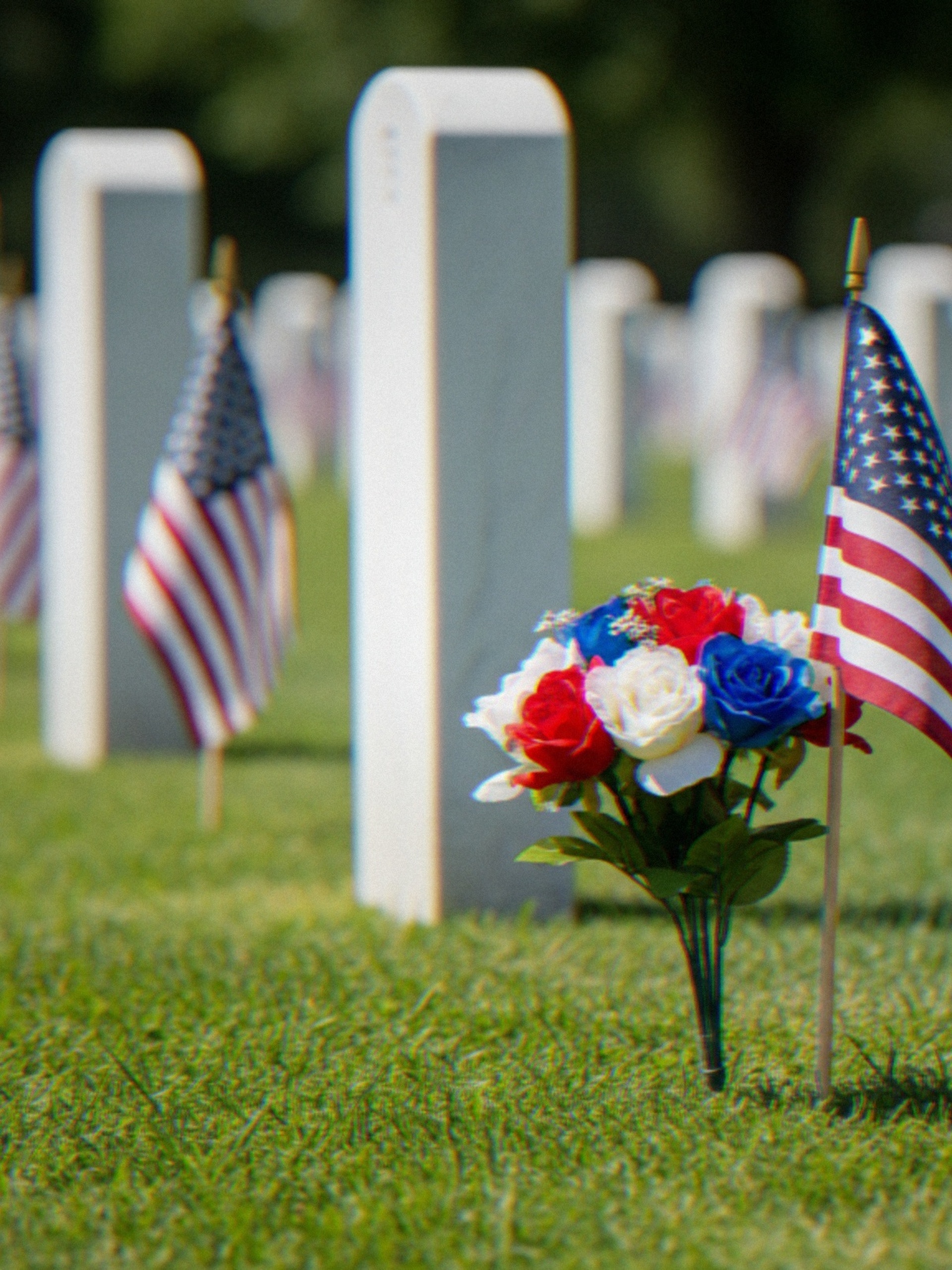
National and local observances create opportunities to recognize military service publicly. Memorial Day focuses on remembering U.S. military personnel who died while serving, while Veterans Day recognizes people who served in the U.S. armed forces. Understanding that distinction helps participants approach each observance with the proper context.
Local ceremonies may include speeches, wreath placements, flag presentations, or historical displays. Attending these events gives participants a chance to hear directly from veterans, family members, historians, and community organizations. Those perspectives can offer details that brief holiday messages often miss.
People can also contribute through organized volunteer efforts connected to remembrance events. Some groups coordinate approved flag placements at cemeteries or request help with event setup and site preparation. Volunteers should follow the procedures established by the organization responsible for the property or ceremony.
Preserve Responsible Traditions
Many military-associated customs depend on people learning the correct procedures. Flag ceremonies, marksmanship demonstrations, and commemorative events lose meaning when participants treat them casually. Preparation helps preserve both accuracy and respect.
Shooting sports offer a useful comparison. Safe firearm handling depends on consistent habits, while marksmanship improves through focused practice. Equipment also performs more reliably when owners inspect and maintain it on a regular schedule.
The same principle applies when people honor military service through established customs. Learning the procedure before taking part shows respect for the event and the people it represents. It also helps younger participants understand the meaning behind what they see.
Historical organizations and clubs can reinforce that understanding through educational programs. A presentation about a local unit, a properly organized flag ceremony, or a historical firearms demonstration can connect technical interests with broader military history. Accurate context should remain the focus.
Help Preserve Military History
Military history survives when people actively protect records, artifacts, and firsthand accounts. Local archives and museums rely on volunteers who help organize collections or document materials. Families can contribute by identifying photographs and recording names, dates, or locations before those details disappear.
People who own military artifacts should research their background before altering or restoring them. Aggressive cleaning or refinishing can remove markings and other evidence that helps establish an object’s history. When an item may have significant value, a qualified curator or conservator can provide guidance.
Digital preservation offers another practical option. Families can scan photographs and documents while recording basic information about each item. Organized copies can protect valuable records from loss and make them easier to share with future generations.
Make Recognition an Ongoing Practice
Military remembrance carries greater meaning when people treat it as a continuing responsibility instead of a one-day gesture. Volunteering, preserving records, supporting veterans, and participating in local events can all become regular forms of involvement. Consistency gives those efforts more substance.
No single form of recognition fits every veteran or every community. Some people may focus on historical preservation, while others contribute through service projects or recreation programs. The most appropriate approach depends on local needs and individual circumstances.
Respect for military service does not depend on elaborate displays or large events. It grows through informed actions that support people and preserve meaningful connections to the past. Those efforts help communities carry remembrance forward with purpose.

Casey Cartwright
Latest posts by Casey Cartwright (see all)
- Meaningful Ways To Honor Military Service – September 28, 2026
- Why Truck Handling Matters on Long Hunting Trips – September 21, 2026
- How Precision Manufacturing Improves Tactical Gear – September 9, 2026

Leave a Reply